Tsum and Manaslu Circuit Trek
A Cultural Odyssey to the Last Shangri-La

Trip Highlights

  • Embark on the Tsum and Manaslu Circuit Trek to explore the ancient, untouched Buddhist culture of the “Valley of Happiness.”
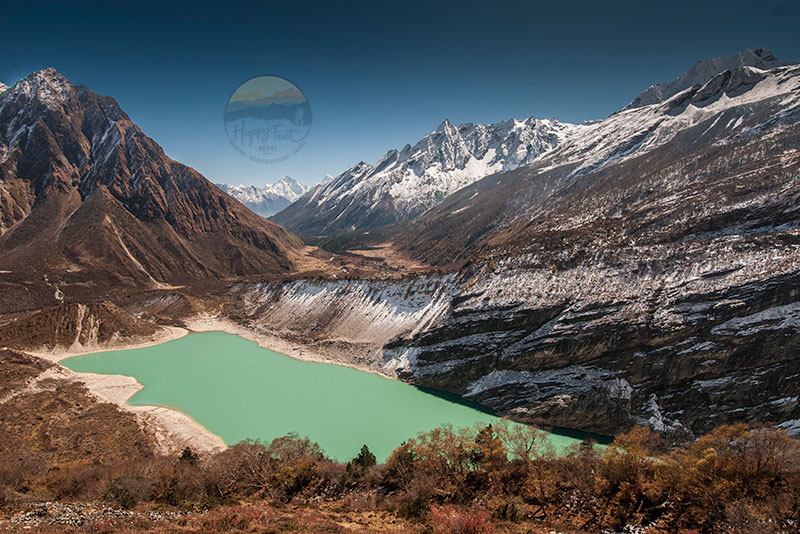
  • Trek through enchanting woodlands and barren high country on the Tsum and Manaslu Circuit Trek, offering diverse terrain from lush hills to arctic glaciers.
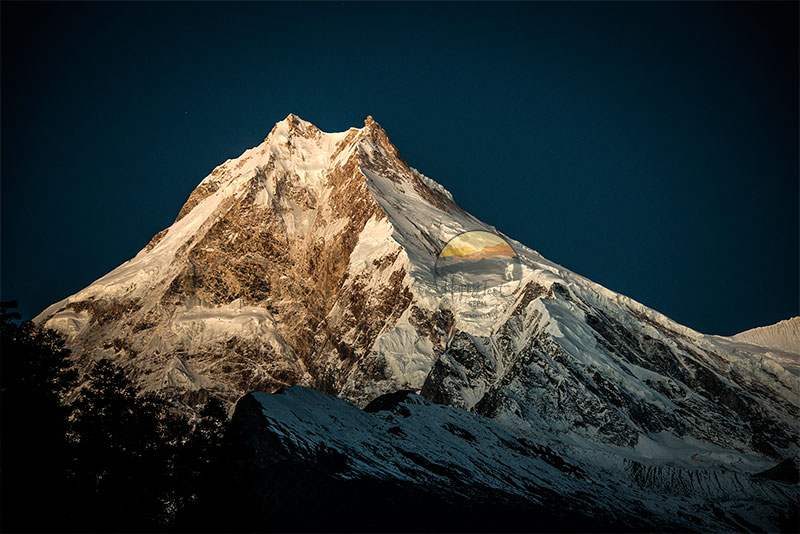
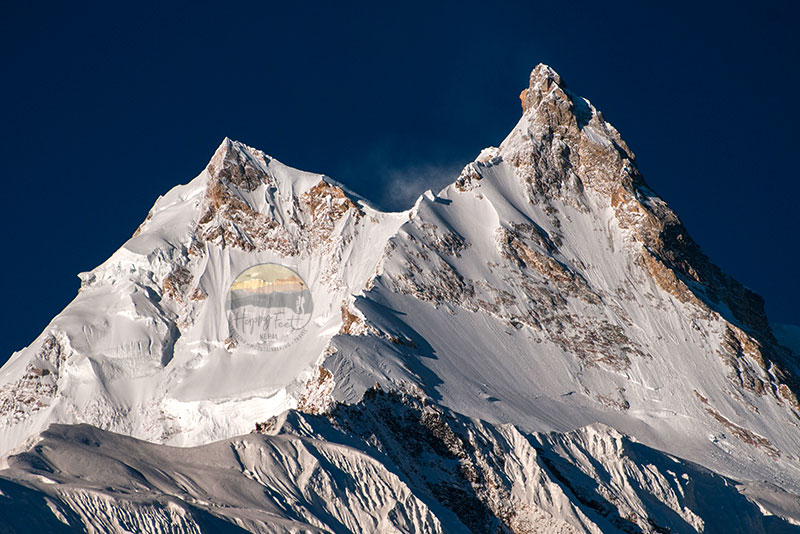
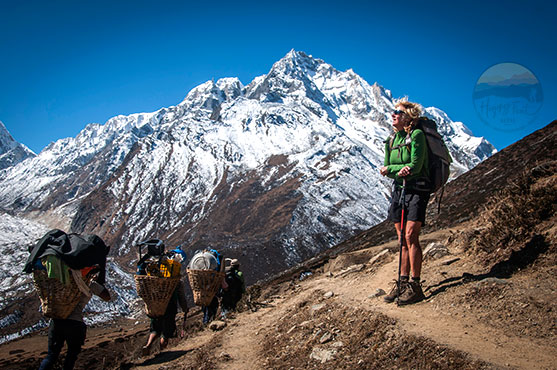
  • Marvel at breathtaking panoramic views of the Manaslu, Ganesh, and Annapurna ranges on this Tsum and Manaslu Circuit Trek.
  • Conquer the high-altitude challenge of Larke La Pass (5,135m) and experience remote Magar, Gurung, and Tsumba hospitality.
  • Discover the perfect blend of cultural immersion and natural beauty, led by professional Sherpa Guides and staying in local lodges that reflect the spirit of this Tsum and Manaslu Circuit Trek.
  • Safety and comfort guaranteed trip

Introduction to the Tsum & Manaslu Circuit Trek

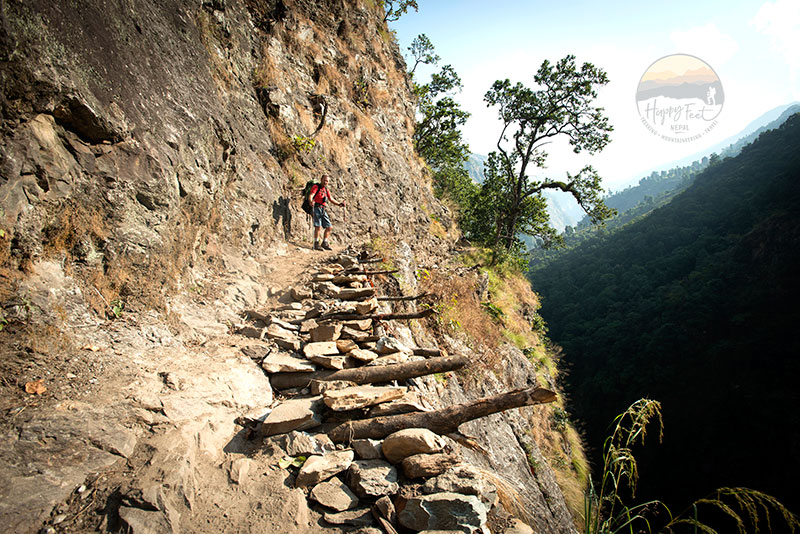
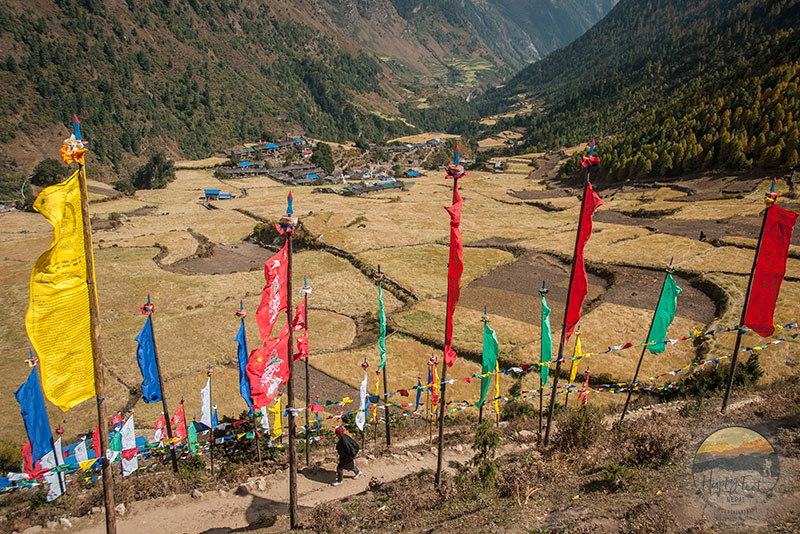
The Tsum and Manaslu Circuit Trek provides opportunities to re-explore the ancient, untouched Buddhist culture of the “Valley of Happiness. Tsum Valley is a hidden valley between Nepal and Tibet in the shade of Manaslu and Ganesh Himal. Explore ancient Buddhist culture, religion, and life: Trek to a rarely visited area off a popular trekking route. Traverse enchanting woodland and barren high country with scenic landscapes. Marvel at picturesque views and the grand peaks of the Manaslu, Ganesh, and Annapurna ranges. This adventure combines trekking with a cultural journey to the far northern areas of Gorkha district and the Mid-Western Himalaya. Enjoy the stunning scenery from start to finish. Explore impressive cultural villages home to Buddhists and Hindus. What truly sets this trek apart is the variety of terrain you will experience, from low, warm areas to hills and an Arctic zone of ice and glaciers. This journey will keep you on the edge of your seat, eager to see what’s around the next bend!

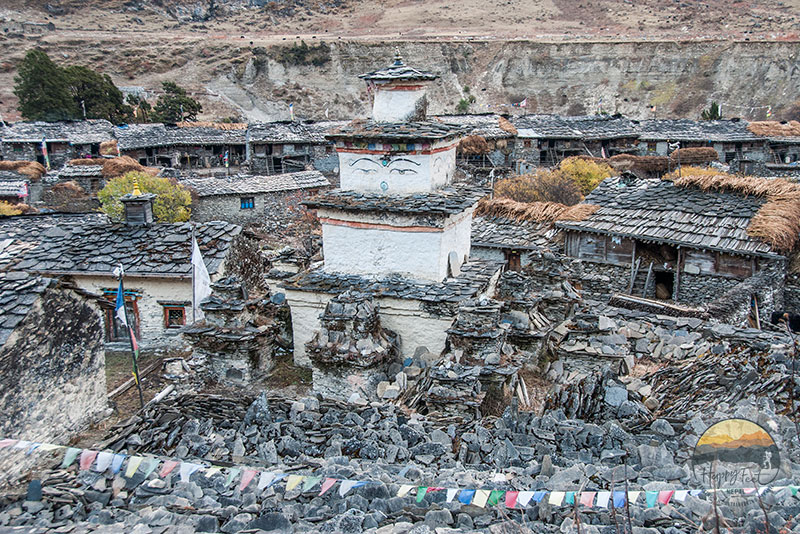
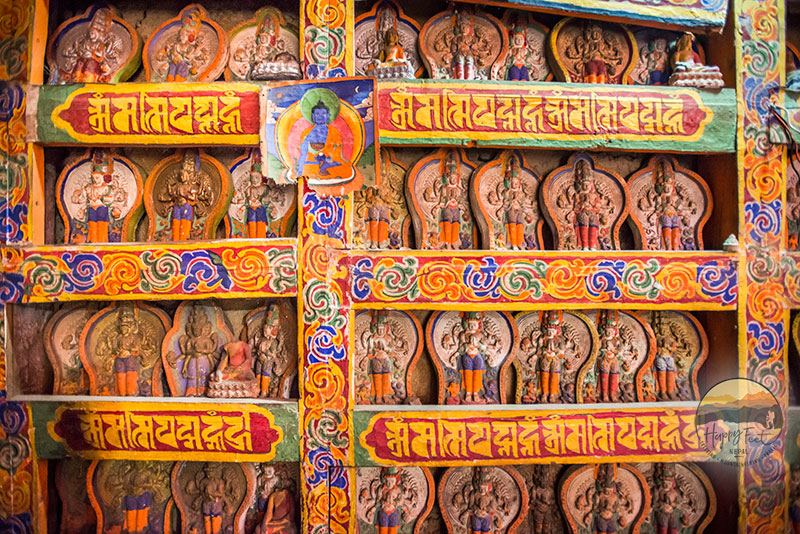
This extraordinary journey to Tsum Valley and the Manaslu Circuit, including an excursion to Ganesh Himal Base Camp, offers the chance to explore some of the last remaining Shangri-la in the shadow of the Ganesh, Sringi, Manaslu, and Annapurna Mountains. The Tsum Valley, also known as the Valley of Happiness, is rich in natural beauty and cultural heritage. It offers a rare glimpse into ancient Buddhist traditions and a way of life largely untouched by modernity. This unique cultural experience, with its ancient Buddhist traditions and a way of life largely untouched by modernity, will intrigue and inspire everyone on this journey.

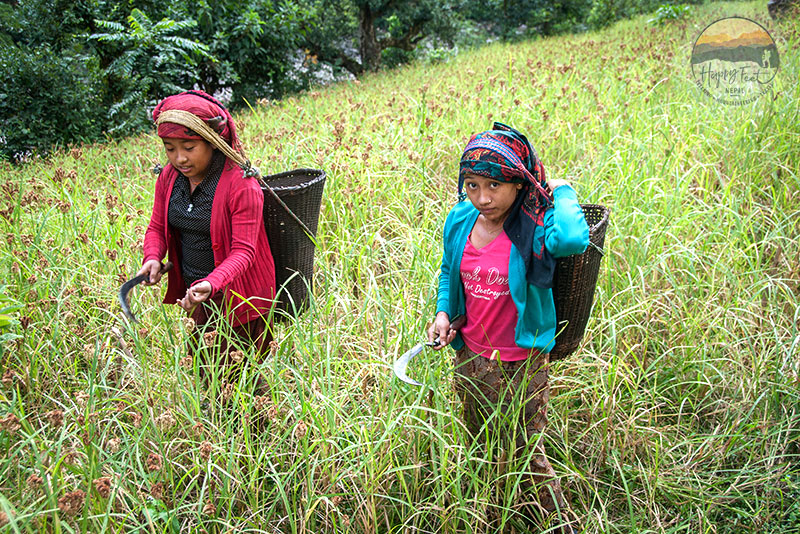
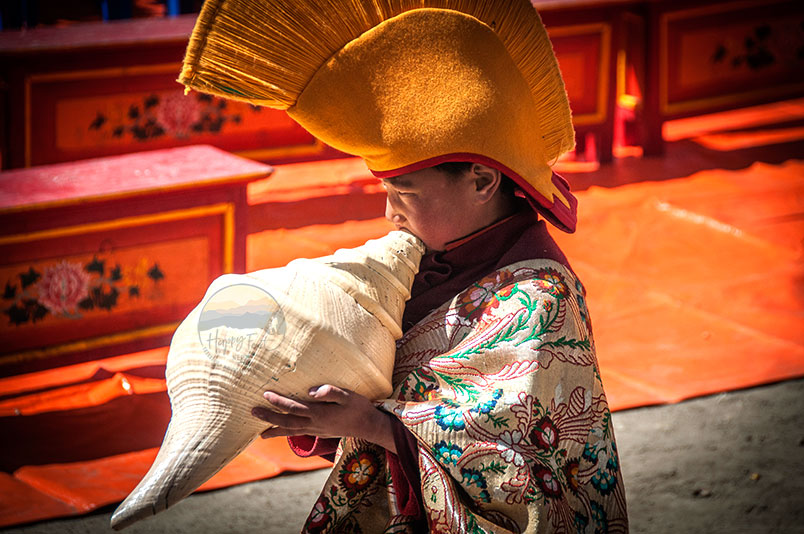
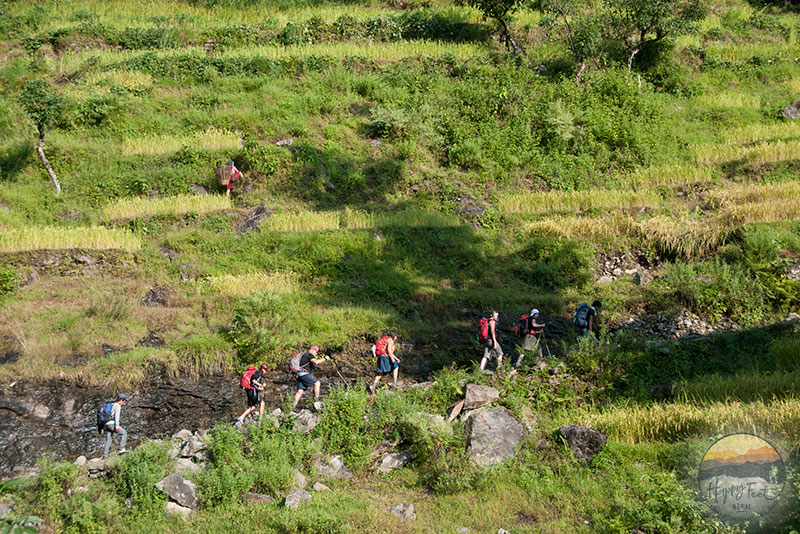
Trek through enchanting woodlands and barren high country on the Tsum and Manaslu Circuit Trek, with diverse terrain ranging from lush hills to arctic glaciers. Marvel at breathtaking panoramic views of the Manaslu, Ganesh, and Annapurna ranges on this Tsum and Manaslu Circuit Trek. As you traverse this least-visited area, you will experience the warmth of local cultures, shaped by a blend of Hindu (in the lower valleys) and Buddhist influences, from the spirited Magar communities to the humble Gurung and Tsumba tribes. You will have the opportunity to participate in local festivals, witness traditional ceremonies, and learn about the customs and traditions of these communities. The variety of trekking experiences, from enchanting woodlands to stark high-altitude terrain, will excite and inspire your adventurous spirit.

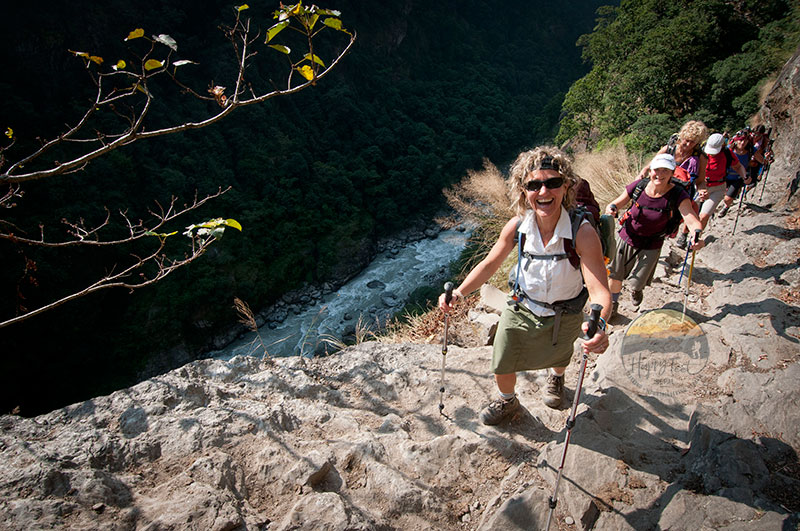
Throughout the trek, participants can expect daily walks averaging 4 to 8 hours, suitable for trekkers of all experience levels. The trek covers diverse terrain, including the high-altitude challenge of Larke La Pass (5,135m), and offers remote Magar, Gurung, and Tsumba hospitality. Discover the perfect blend of cultural immersion and natural beauty, staying in local lodges that reflect the spirit of this Tsum and Manaslu Circuit Trek

Lodging options are comfortable hotels in Kathmandu and typical local lodges along the trek, each offering an authentic taste of Nepalese and Tibetan hospitality. These lodging options, designed to fit the cultural flow, provide a comfortable, relaxing stay and help you feel at ease and well cared for.

Arrive, be welcomed by a Happy Feet Mountaineers representative, and transfer to the hotel. Free time to explore vibrant streets. Upon arrival in the morning, enjoy a cultural-shock walking tour.

Guided tour of Swayambhunath Stupa with valley panorama. Explore Patan’s Durbar Square, Royal Palace, and world-class Museum. Evening at Basantapur and Kathmandu Durbar Square; exit through Ason Bazaar.

7-hour scenic drive through towns, villages, jungles, rivers, and waterfalls, with mid-hill Nepalese culture and mountain views. Overnight in Jagat, a Gurung village at 1,410 m where MCAP permits are checked; beans, potatoes, and maize are farmed together.

5-hour trek. Walk the dirt road to Salleri (1,440 m), a village washed away by the 2026 Budhi Gandaki flood, with views of Sringi Himal, then descend to Sirdibas for your first taste of Buddhist culture. Cross a long suspension bridge and climb to Philim (1,595 m). Continue through Ekle Bhatti (1,600 m) and a spectacular pine/bamboo ravine before descending to the Tsum Valley junction. Zig-zag up to Lokpa, a classic Tibetan village with barley fields and views of Ganesh Himal and Siringi.

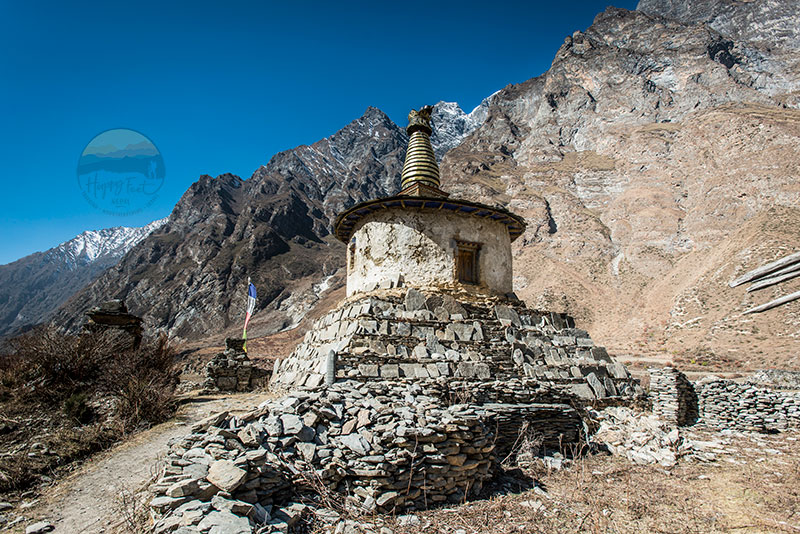
4-hour trek. Traverse corn and potato fields, cross the 2021 landslide area, and pass through bamboo, rhododendron, and pine forest. Cross a long new bridge over the Budhi Gandaki, climb stone stairs with views of Siringi Himal, and cross the Shiar Khola to reach Chumling. Visit the traditional village with ancient chortens, mani walls, and monasteries, with views of Ganesh Himal, Cherku Himal, and Siringi.

Walk level through farmlands of Chumling to Dumje village (2,460 m) and Renjam (2,400 m), the trail junction to Tsum and Ganesh Himal Base Camp. Cross the Serpu Khola to Gho village, then continue past a landslide area to Chhokangparo, the largest village of Tsum Valley. Enjoy extensive barley, corn, wheat, and potato fields; look for tahr on the cliffs; and enjoy local salt tea and Himalchuli views.

4-hour trek. Pass small villages and a local school, climb a ridge with chortens, and pass Lamagaon (3,202 m). Visit Rachen Gompa (3,240 m), a major nunnery, and optionally Tsum Monastery. After Burji village, climb 20 minutes to Milarepa’s cave (Piren Phuk), a sacred meditation site. Cross the Shiar Khola and pass Phurte, Pangdun, and Chule (3,347 m) with its impressive kani gate. Cross the bridge to Nile, a traditional village with yaks and Tibetan-robed children.

6-hour trek. Start early up the west bank with sunrise over the valley walls. Final climb through dry Tibetan country with rows of chortens to Mu Gompa (3,700 m), a large monastery with over 100 monks. Optionally visit the nuns’ meditation center (30 min) or Dhephyudoma Gompa (4,000 m, 2 hours). Border views toward Tibet and extensive yak pastures. Return down-valley via Chule and Phurre, traverse to Rajen Gompa (3,240 m) for a visit, then descend to Chhokangparo.

6-hour trek. Walk 2 hours to the small gonpa at Gho (2,485 m), descend to Dhumje (2,440 m) with its herbal medicine clinic, then climb steeply through pines and rhododendrons past prayer flags to Gumba Lungdang. This hilltop nunnery (40–50 nuns) has an absorbing 6:00–7:30 pm puja. Camp in the gonpa yard or stay in basic monastic accommodation. Incredible mountain panorama in all directions.

7-hour trek. Follow a rocky, indistinct trail through forest, cross the Laudang Khola on a wooden bridge, and climb through virgin pine and rhododendron to a ridge and mid-height kharka. Continue past yak shelters and up the moraine for views of the mountain cirque. About 3 hours to Base Camp; altitude makes it demanding, but the wild forest and views are exceptional. Return to Gumba Lungdang and join the evening puja.

6-hour trek. Descend from Gumba Lungdang, cross the Laudang Khola at Dumje, and follow the southern bank of the Shiar Khola over gorges and wobbly bridges to picturesque Ripchet (2,470 m). Descend steep stairs to Ghumlong Bhatti (2,130 m), then climb through pristine temperate forest to Lokpa.

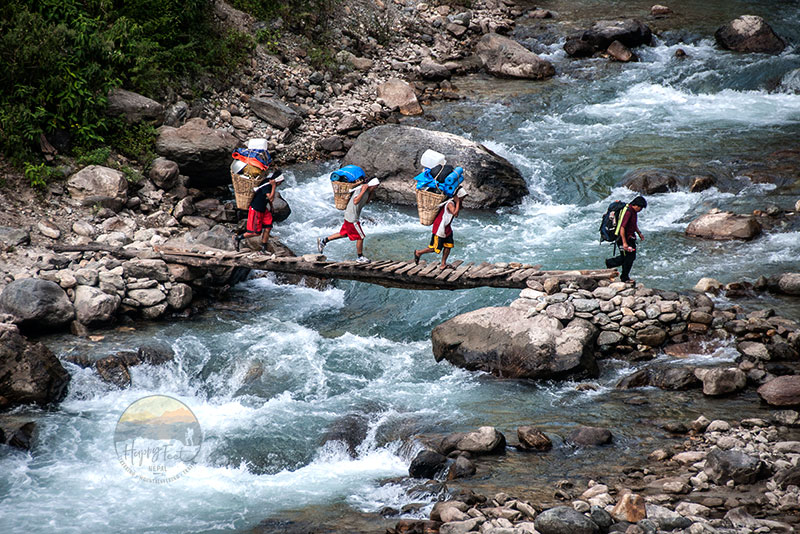
5-hour trek. Follow the exposed path to Nyak Phedi, turn right, cross the Budhi Gandaki, and take a tea/lunch break with a last look at Tsum Valley. Enter a narrow gorge with loose tracks, cross suspension bridges into Nupri, and pass Pewa and Deng village (1,800 m). Climb past Rana (1,980 m) to Bhi, walking in and out of canyons and crossing the Serang Khola. From Ghap onward, note the intricately carved mani walls engraved by a family of Bhi carvers.

4–5-hour walk crossing the Budhi Gandaki to join the Bihi trail, then west through lush forest past Nubripa and Tsumba houses. Climate shifts from subtropical to alpine with distant peaks. Route via Prok village (views of Mount Siringi), crossing the river several times and visiting Gompas, then through the MCAP conservation forest to Namrung, a cultural bridge between the Hindu/Buddhist lower valleys and the Tibetan Buddhist upper valleys. From heree you can optionally extend 2 day to Serang Gotpa.

5-hour trek. Excursion to Pungyen Gonpa (4,050 m) at the end of Pungyen Valley for stunning Manaslu views, grazing yaks, and vultures. One of the oldest Tibetan monasteries in the region, built by Nubripa settlers. Return in 45 minutes, have lunch at Shyala, then take 2 hours to Sama Gaon, one of the largest villages here, known for buckwheat, wheat, barley, and potato farming, and ancient salt trade ties to Tibet. Optional 30-minute walk to Sama Gompa camp.

Acclimatization day. Relax or take an optional excursion to Manaslu Base Camp (4,800 m, ~6 hours with packed lunch) or Birendra Lake.

4-hour trek descending to the Budhi Gandaki, crossing a bridge, passing mani walls and juniper/birch forest to Kermo Kharka, then down to the river and up to Samdo, the last village of the Manaslu Valley. Views of the Lajyang La (5,098 m) route to Tibet; Chinese and Tibetan beer and food available. The high altitude and dry air slow your pace.

Walk 4 hours from the last village, descending to the Budhi Gandaki, crossing a wooden bridge, and gradually climbing past two icy streams to Larke Phedi (Dharmasala). Pass the ruined Larke Bazaar, an old trade fairground for Tibetans, Nepalese, and Sherpas. Afternoon free to rest before the pass crossing.

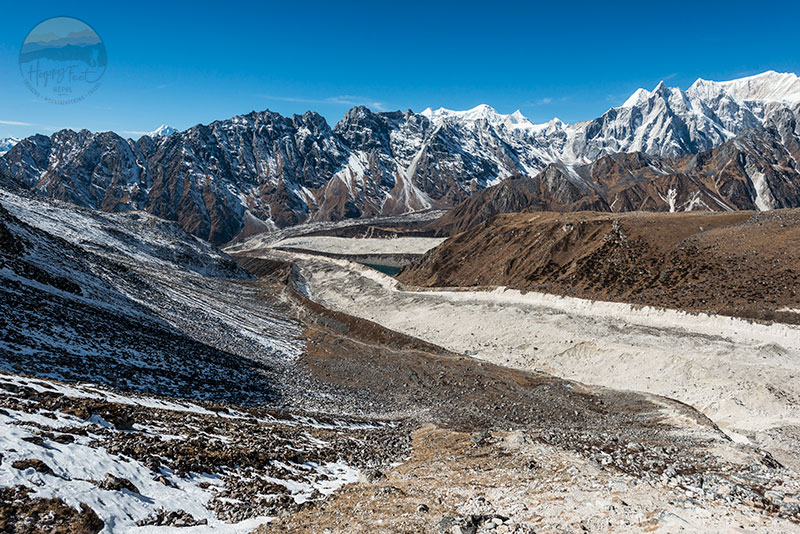
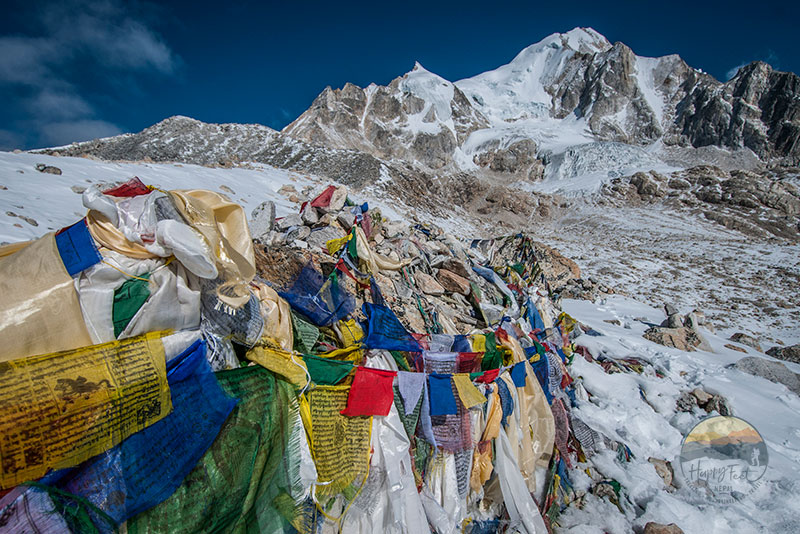
8-hour trek. Early start with a steep climb over Larke glacier moraine, views from Cho Danda, Larke Peak, glacial lakes, and Himalayan flora/fauna. Larke La summit has prayer flags and panoramas of Himlung, Cheo Himal, Kang Guru, Larke Peak, Annapurna II, and Lamjung Himal. Steep descent over scree and loose gravel (some snow/ice) to grassy moraine, then to Bhimthang/Bemathang, a green valley with lodges, prayer flags, Manaslu views, and rhododendron forests.

5-hour walk. Nearby ridge offers views of Manaslu, Lamjung, Himlung, and Cheo. Relaxed downhill walk across Yak pasture, over the Dudh Khola bridge, through rhododendron forest to Karcher, then across cultivated fields and a ridge to Gho, a small summer pasture for cattle and yak herders with four lodges.

3-hour walk and 4-hour drive. Pleasant downhill forest walk to Tilje village beside the Marsyangdi River, then a short climb and suspension bridge to Dharapani, junction of the Annapurna Circuit and Manaslu routes. Lunch, then drive ~4 hours via Taal Besi, Chamje, Jagat, Ngadi, and Bulbule past terraced paddy fields to Besisahar, headquarters of Lamjung district.

5-hour drive past farm villages and towns, joining the Kathmandu–Pokhara highway at Dumre, then back to Kathmandu. Afternoon free.

Guided tour of the Pashupatinath ghats and temples, Bhaktapur’s medieval squares and palaces, and Nyatapola Temple (a UNESCO site). Finish at Boudhanath, one of the world’s largest Buddhist stupas.

Enjoy breakfast and some leisure time before transferring to the airport for departure.

Includes

  • Airport pick-up and departure service as per itinerary
  • Four nights of hotel accommodation in Kathmandu, breakfast included (category 4-star hotel)
  • Happy Feet Mountaineers Trekking Kit Bag
  • One guide in the group, 1 guide helper for every six members, and 1 porter for every two members, for the entire trek
  • Insurance and all expenses of local staff
  • A satellite phone for communication in an emergency
  • An emergency medical kit box for first aid.
  • Kathmandu to Jagat transportation by Jeep
  • Manaslu and Annapurna Conservation Area entry permit
  • Tsum and Manaslu Special permits.
  • Trekking period: Kathmandu to Kathmandu, full board, with accommodation in teahouse lodges.
  • Dharapani-Besisahar-Kathmandu transportation by jeep.
  • Agency service charge and taxes

Excludes

  • International air tickets
  • Travel insurance (evacuation, medical assistance) is mandatory.
  • Trip cancellation/interruption insurance (not mandatory but at personal risk)
  • Nepal entry visa and visa fee (apply online)
  • Lunch and dinner in Kathmandu
  • Personal expenses
  • Alcoholic and mineral beverages during the trek
  • Other charges, such as internet, telephone, and laundry services.
  • Tips for Nepali staff/porters and those not mentioned in the inclusions section.

Spring and fall are always the best times to trek to the Manaslu region. However, the fall/autumn season, from September to November, is undoubtedly the best time to visit Nepal. The weather remains crystal clear, with breathtaking views of the Himalayas and the landscapes. However, it is colder at high altitudes during both seasons.

Theoretically, spring is the second-best, but for many, it’s the first-best season. Spring is more interesting because rhododendrons and wildflowers blossom in the mid-hill regions of Nepal, and the Bhimthang area is one of the rhododendron sanctuaries.

Summer, the monsoon season for Nepal, is also a beautiful time to visit high dry land such as Manaslu. Monsoon clouds and rain feed the highlands, turning the meadows into lush green valleys and hills. In summer, the high plateau is carpeted with yellow and multi-colored flowers, and beautiful streams and medicinal plants feed the Yak and Sheep grazing in the region. Summer is also when villagers who temporarily migrated to lower lands or traveled elsewhere for work and business return home to farm and raise livestock.

Winter temperatures in the Upper Manaslu region may drop to -17 degrees from sunset to sunrise. Daytime temperatures remain 0 to 12 degrees. People from all villages live there year-round. December to February is the business season for people in the upper valley. They come with their hand-knitted sheep wool sweaters, bags, caps, and belts and travel to Kathmandu and even India for business.

Let us know your Experiences

Subscribe
Notify of
guest
0 Comments
Oldest
Newest Most Voted

Trip Overview

Destination Manaslu Region
Duration 24 Days
Starts from Kathmandu
Ending Point Kathmandu
Trip Style Trekking
Difficulty Moderate to challenging
Best Time Mar-Jun & Oct-Dec
Transportation Tourist vehicles
Accommodation $8 Hotel & Lodge
Max Altitude 5,135 m
Meal BB in City & FB on trek
Group Size 2 - 12 Pax

Inquiry Form

Customize This Trip