Ama Dablam Climbing Expedition
Summit Guaranteed
Introduction
Ama Dablam Climbing Expedition is one of the fame-filled climbing activities. The Ama Dablam Himal is a beautiful mountain in the Himalayas range. Its height is medium, 6812 meters, and the technical aspect of mountaineering is high, so it is a unique mountain for those who want to enjoy mountaineering. Those who climb the Ama Dablam may climb Mt. Everest, but climbing a medium 8,000-meter mountain secures Everest’s success rate and self-security.
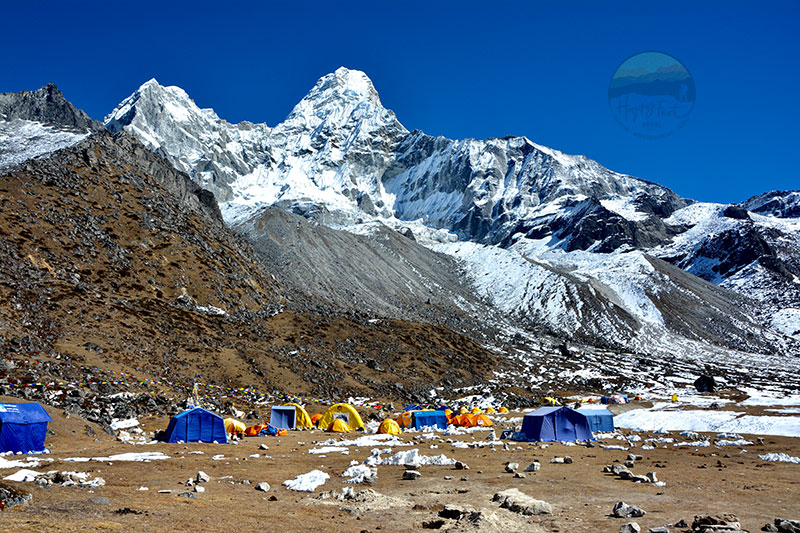
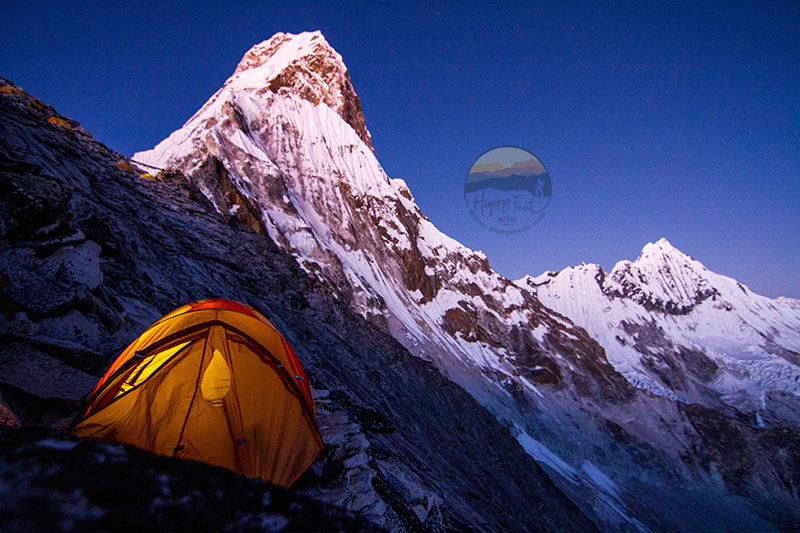
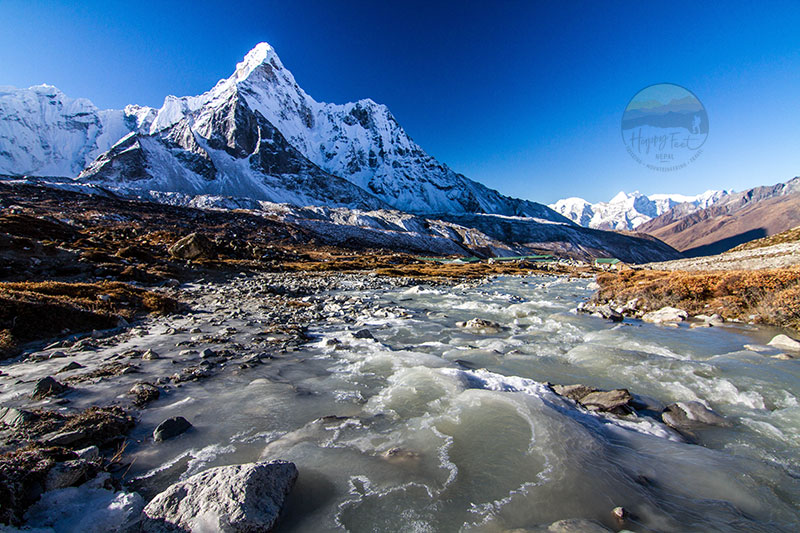
Mount Ama Dablam, standing at 6,812 meters (22,349 feet), is one of the most beautiful mountaineering peaks in the Himalayas. It is located in the Khumbu region in Nepal and is often referred to as the “Matterhorn of the Himalayas”. Its beautiful pyramid shape and sharp ridges make it a favourite among climbers and trekkers.
The name of Ama Dablam translates from the Sherpa Language the “Mother’s Necklace,” which symbolizes the sacred nature of Mount Ama Dablam within Sherpa culture. The attractive features of Ama Dablam are its steep faces and sharp edges, which present considerable challenges for all grades of climbers.
Ama Dablam is famed for its climbing routes and breathtaking scenery. Surrounding valleys are adorned with lush forests, glacial lakes, and traditional Sherpa villages that offer rich cultural experiences. Trekkers to Everest base camp pass through these landscapes and enjoy the views of Ama Dablam from nearby trails, and many of them promise to return and try to climb.
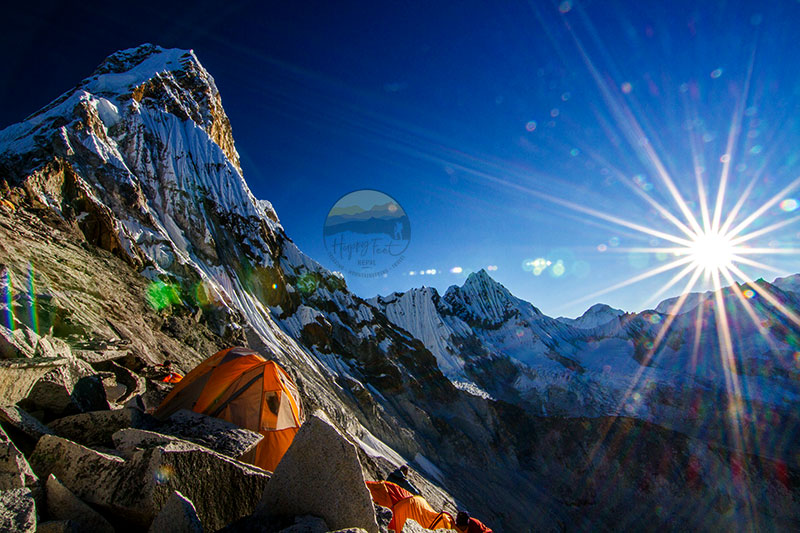
Climbing Ama Dablam requires technical skills due to its mixed rock, ice, snow slopes and terrain. The standard route involves ascending via the southwest ridge, where climbers encounter challenging sections, including steep rock and ice walls and exposed ridgelines.
Due to its beauty and accessibility, Mount Ama Dablam has become popular among climbers seeking adventure and tourists looking to experience the majesty of the Himalayas without attempting extreme altitudes. The mysterious fascination of Ama Dablam Mountain continues to attract adventurers from around the globe while serving as an imposing grandeur in front of Everest, Lhotse, and Nuptse.
Climbing Routes of Ama Dablam
The southwest ridge of Mount Ama Dablam is considered the “standard” climbing route due to its relatively established routes and camps. The climbing duration is 5 to 7 days from base camp to summit and back down; the time may differ depending on acclimatization, climbing schedule and climbing speed. The Ama Dablam southwest ridge route is the most popular choice for all climbers, and the key reasons are as follows.
Established Path: The southwest ridge features fixed ropes and well-defined paths from previous ascents, which help guide climbers through technical sections.
Moderate Difficulty: The Ama Dablam southwest ridge route is still challenging and offers manageably difficult rock and ice climbing.
Logistical Support: Base camp access via the main trekking routes is easier for logistics supplies and support teams than more remote or less travelled routes.
Scenic Views: Mount Ama Dablam southwest ridge climbers can enjoy the widest and most beautiful views of surrounding peaks, landscapes and Sherpa villages throughout their ascent day and night.
Other options for ascending Ama Dablam include:
North Face Route of Ama Dablam
This route involves steep ice walls, complex crevasses, and very little navigated information. It offers high-grade challenges, demands advanced technical skills and is well-prepared for exposure to high-altitude conditions. Compared to the Southwest Ridge Route, this route requires an additional 4 to 5 days for a round trip due to its complexity, difficulties in navigation through crevasses, etc. In general, climbers are required to spend 9 to 12 days in total if they attempt this route.
East Ridge Route of Ama Dablam
Less climbed than the Ama Dablam southwest ridge route. The Ama Dablam east ridge route option involves technical difficulties but can provide a unique perspective of the features of Mount Ama Dablam.
West Face Route of Ama Dablam
A rarely attempted route due to its difficulty and lack of established routes. It is suitable only for highly skilled climbers looking for an adventurous and record-breaking challenge.
All the above alternate routes offer different experiences but require greater expertise and preparation than the standard Southwest Ridge Route.
Historical Significance of Ama Dablam
Mount Ama Dablam was first conquered on 13 March 1961 by a team of 1960-61 Silver Hunt Scientific Expedition. The successful team members were Mike Gill (NZ), Barry Bishop (USA), Mike Ward (UK), and Wally Romanes (NZ). Their successful ascent route was via the Southwest Ridge, and Sir Edmund Hillary led them.
Journeys to Ama Dablam Base Camp Commence
The journey to Ama Dablam base camp commences with a short domestic flight to Lukla. From Lukla, the Ama Dablam base camp reaches over a six-day acclimatizing trek through the Sherpa villages of the Khumbu region.
Cultural Experience On the way to Ama Dablam Base Camp
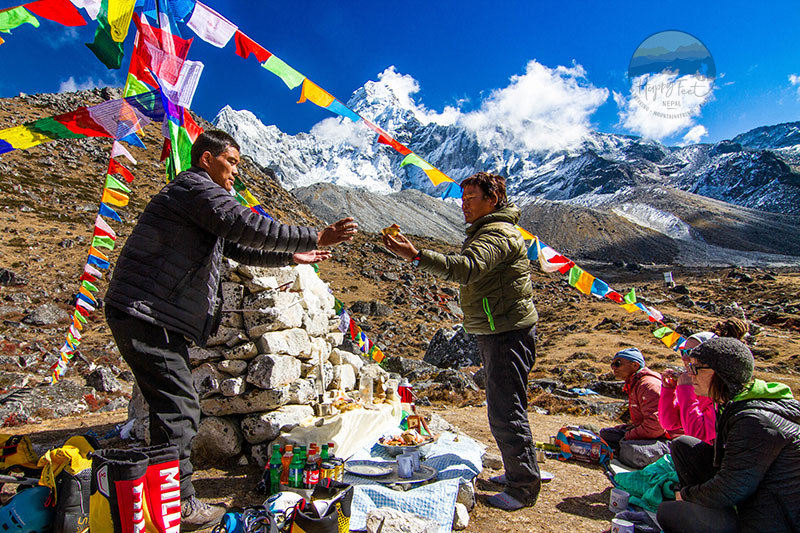
On the way to Ama Dablam Base Camp, climbing groups stop at Pangboche Village, one of the ancient villages in the Khumbu Valley. They visit its monastery and pray for a peaceful and safe expedition for all members. We also request a puja ritual from the Monks at the monastery to solicit the local deities for an obstacle-free expedition and continue walking up to base camp. The final Puja ritual is celebrated for all expedition members and equipment taking on the mountain at the Ama Dablam base camp.
Ama Dablam Climbing Preparations
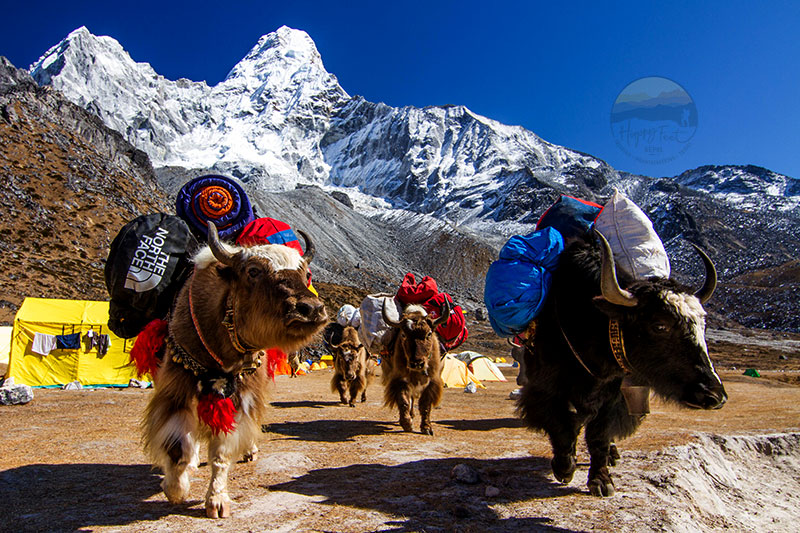
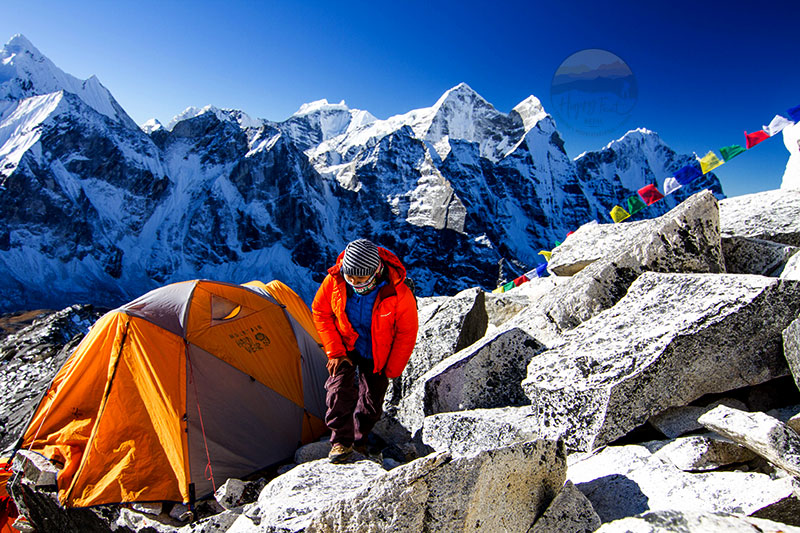
Once the puja ritual is performed, the climbing Sherpa guides begin transporting climbing equipment, high-altitude food, and other supplies to the higher camps. The climbing members accompany them to advanced camps, camps one and two, to acclimate to the climb. After three to four days of acclimatizing climb, the ascent to the summit begins following routine procedures. The summit is mainly attempted from Camp Two, with a probability of setting up Camp Three in Dablam. Read more for pre-preparations.
Ama Dablam Expedition Details
The expedition departs from the end of September to November, and the cost per person is 6,000 USD for joining at the Base Camp to Ama Dablam summit and back to Base Camp, or 7,500 USD Per Person for the full Kathmandu to Ama Dablam and back journey: summit guaranteed.