Scared Journeys to Lhasa and Mount Kailash
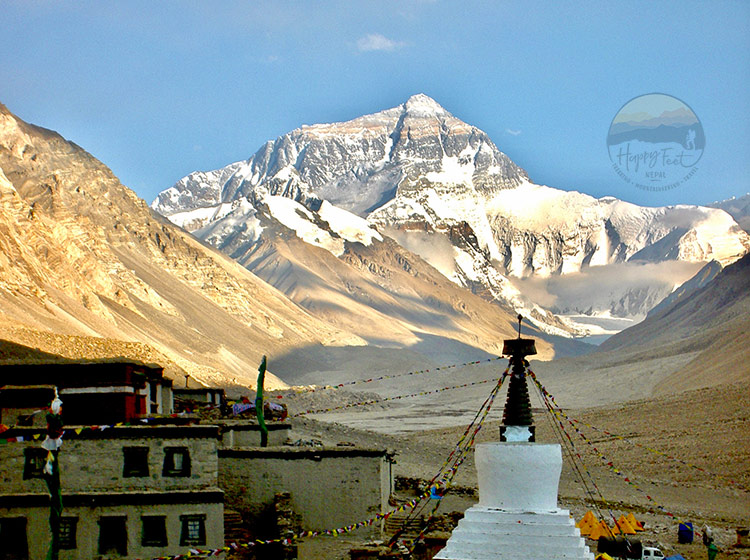
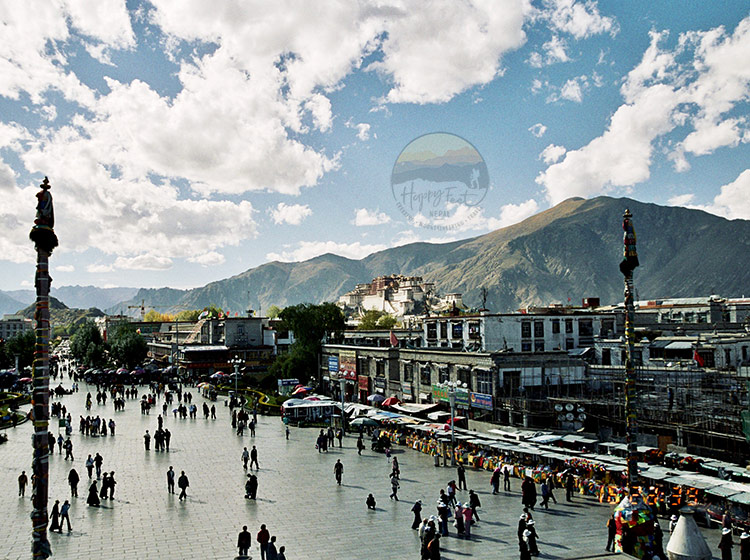
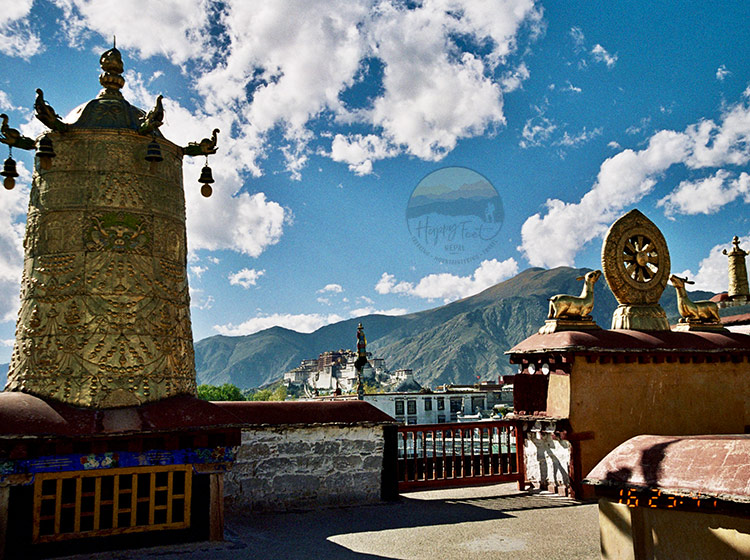
The Lhasa and Mount Kailash Tour starts with a direct flight to Lhasa and visits the main sacred sites, including Jokhang Temple, Potala Palace, Norbu Linka, Drepung, and Barkhor Square. On the way to Kailash and Kathmandu, you will stop at major towns in Tibet, Gyantse and Shigatse, and visit the most important monasteries such as Kumbum Chorten, Tashilhunpo, and Sakya, and take a day excursion to visit the north face of Everest Base Camp, one of the most famous mountain bases in the Himalayas, and admire the mighty rise of the highest mountain on earth, Mount Everest, or the Third Pole, and take essential photographs for a lifetime memory.
Lhasa and Mount Kailash Tour highlight
- Visit Lhasa, the capital city of Tibet, the land of Gods
- Admire some of the great monasteries and Palaces in their most massive form, even after the dynamite of the Cultural Revolution.
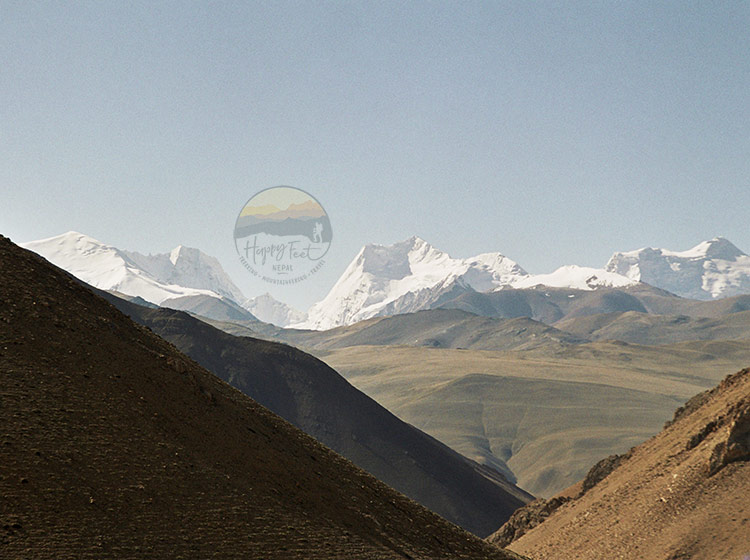
- Visit the Mount Everest Base Camp, the base of the third pole.
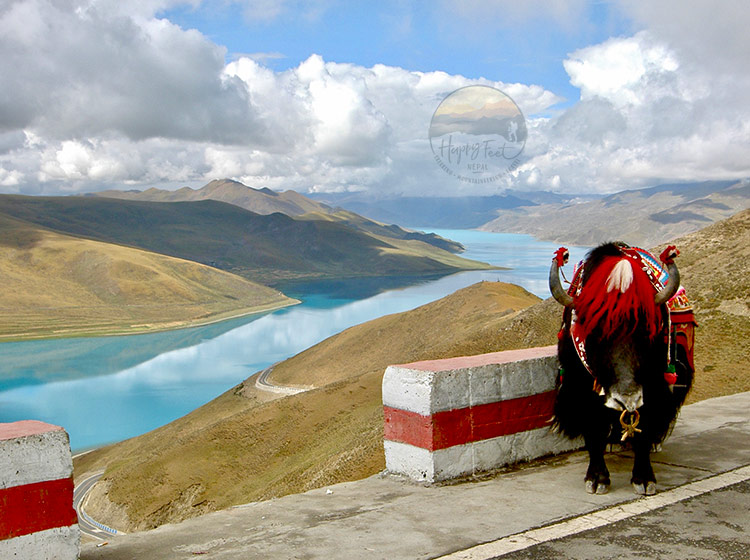
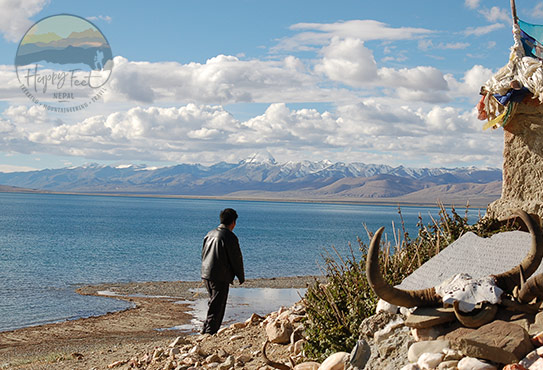
- Admire the natural beauty of the wild west of Tibet.
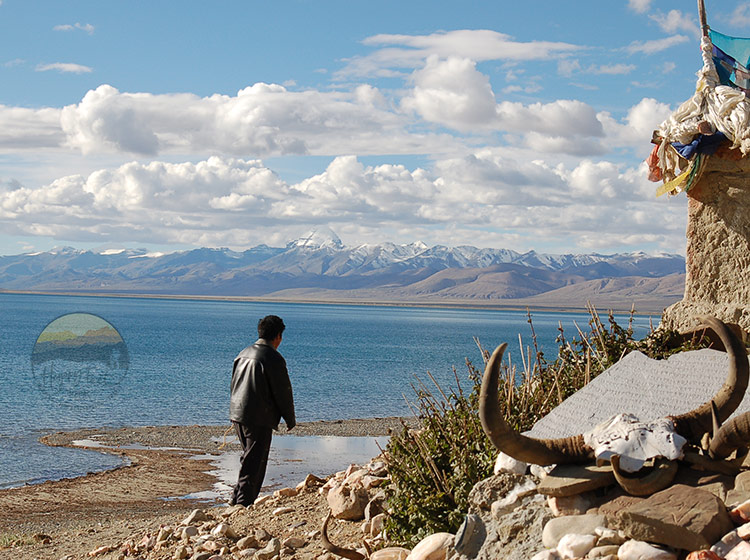
- Experience the sacredness and natural power of Mount Kailash.
- Learn about and feel the sacredness of four religions.
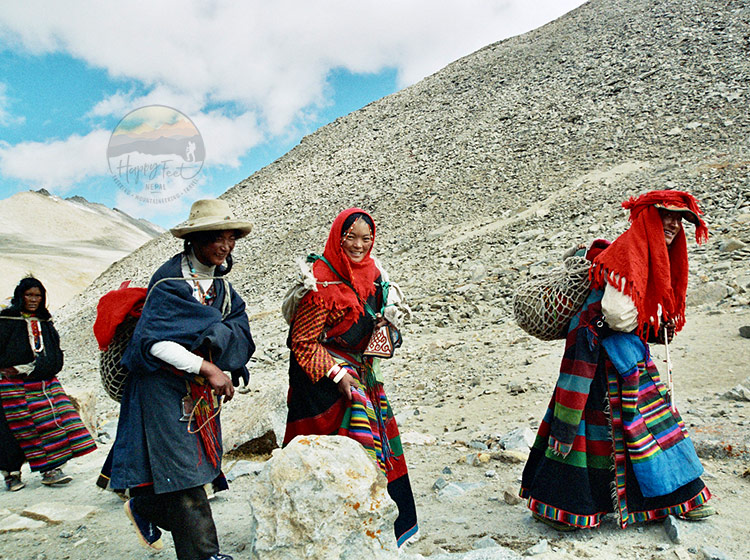
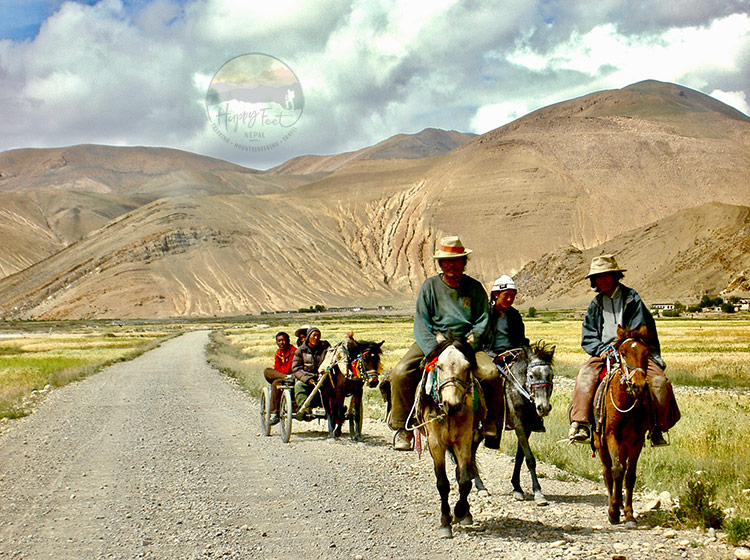
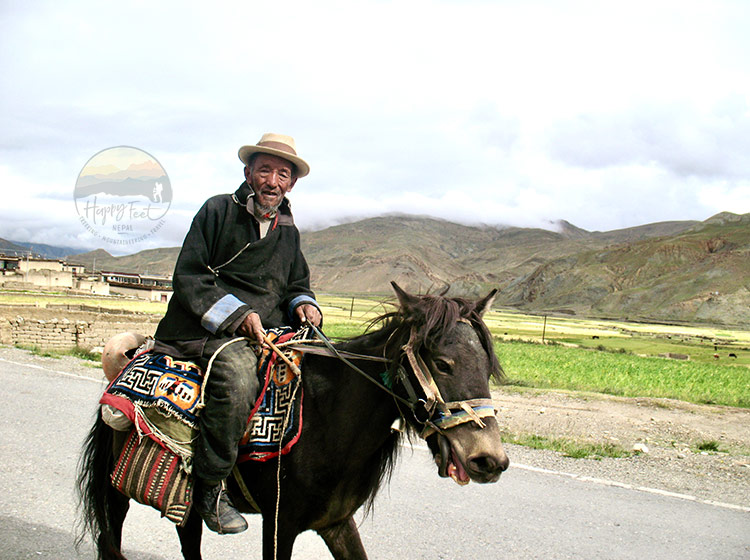
- Experience the culture, life, and spirituality of multi-ethnic groups in a short trip.
Lhasa and Mount Kailash Tour Profile:
- The total length of the trip: 13 days from arrival to the day of departure
- Trip starting point: Lhasa
- Trip ending point: Lhasa or Kyirong (Nepal border)
- Area covered: Lhasa, Gyantse, Shigatse, Everest BC, Kailash
- Highest elevation: 5000 Everest BC
- People/Culture: Tibetan, practicing Buddhism, with a minority of Tibetan Muslims.
- Accommodations: hotel with breakfast
- Meals: only breakfast is included for the entire tour
- Trip grade: Easy to Moderate
- Best season to trek: from May to the mid of October
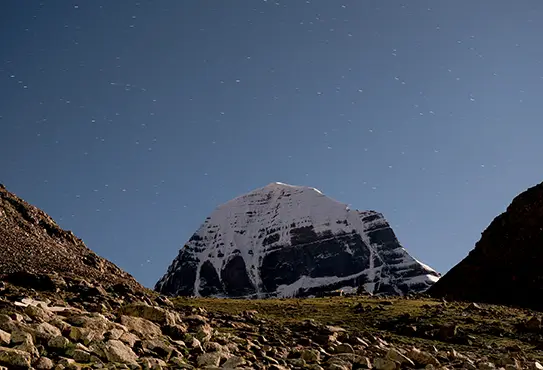
The Lhasa and Mount Kailash Tour then continues to the holy Mount Kailash, through some of the most amazing landscapes in the wild west of Tibet, to reach the base of Mount Kailash, one of the holiest sites for most religions, including Buddhism, Hinduism, Jainism, and Bonism. For Buddhists, Kailash is their Mount Meru, the axis of the world and abode of Buddha Chakrasambara, the wrathful manifestation of Buddha, the divine figure of ultimate bliss. For Hindus, Kailash is the abode of Shiva and also the axis of the world. For Jains, Kailash is also Mount Meru, the center of the physical and spiritual cosmos, and they believe the founder of Jainism attained immortality at Astapada; they also revere Kailash as one of the holiest sites. For the Bönpos, the ancient native religion before Tibetan Buddhism, Kailash is their most revered site and remains central to their faith. If you are in Kailash for one of the world’s sacred and great walks, you will encounter them making the Kora in reverse!
Mount Kailash Tour
Mount Kailash is also the site of a famous mythical battle between two prominent masters, Naro Bönchung, a Bönpo master, and the Buddhist Saint Jetsun Milarepa. The two giants debated supremacy, but neither could claim a conclusive victory. Finally, they agreed that the supreme one would be the one who reached the summit of Kailash first the next morning. Naro Bönchung rode his magic drum and started his journey early in the morning, while Milarepa asked his followers to prepare breakfast, leaving them dumbfounded. As Naro Bönchung neared the summit, Milarepa sprang into action, rode on a sunray, and stood on the mountain. In a teasing mood, Milarepa flung snow toward Naro Bönchung, triggering a massive avalanche. Naro Bönchung admitted the supremacy of Milarepa and continued hiding his face behind his magic drum. Thus, Bönpos and shamans still hide their faces behind the drum while beating and twirling.
The holy Mount Kailash is also the source of four major rivers: Karnali and Sutlej to the west, the Yarlung Tsangpo to the east, and the Indus to the north; these great rivers feed all of South Asia. Mount Kailash, 6,714 meters high, does not rival any Himalayan giants, but Kailash and its watershed are older than the Himalayas. After a great tour of Tibet, you can exit from Lhasa by flight/train to Beijing, Chengdu, or your onward destination.