Jiri to Peekye and Demba La Trek
Discover the Hidden Gem of Nepal: The Jiri to Peekye Trek
Highlights
- Unique Jiri to Peekye and Demba La Trek Overview: A 16-day, off-the-beaten-path trek in the Nepal Himalaya that blends cultural immersion with stunning mountain scenery, ideal for those in good physical condition who want a less crowded alternative to famous routes.
- Starting Point and Kathmandu Highlights: The journey begins in Kathmandu (1,350 m) with a transfer to your hotel, followed by visits to Swayambhunath, Patan, Basantapur, the living goddess Kumari, and the ancient Ason Bazaar, then a drive to Jiri.
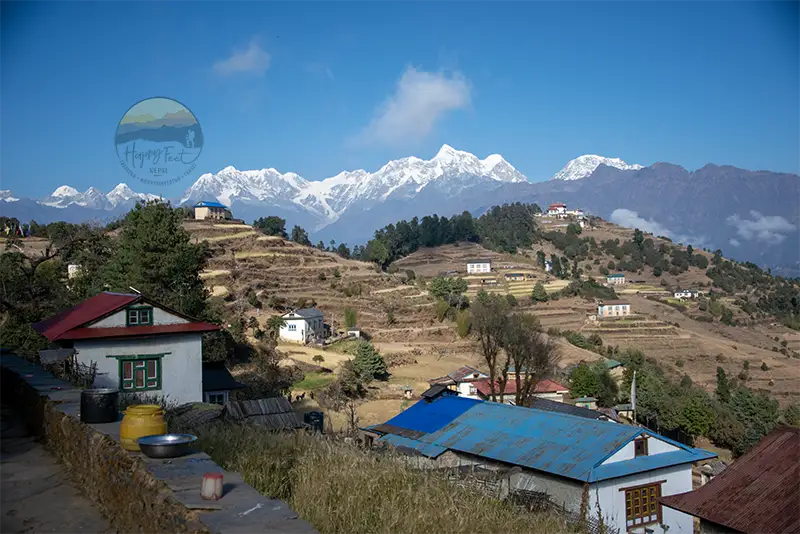
- Cultural and Villages Along the Route: The trek passes through Jirel and Sherpa villages, forests, and rivers, crossing into Solukhumbu district, with stops in Shivalaya, Deurali, and Bhandar (Chayngma) to visit monasteries and enjoy panoramic views.
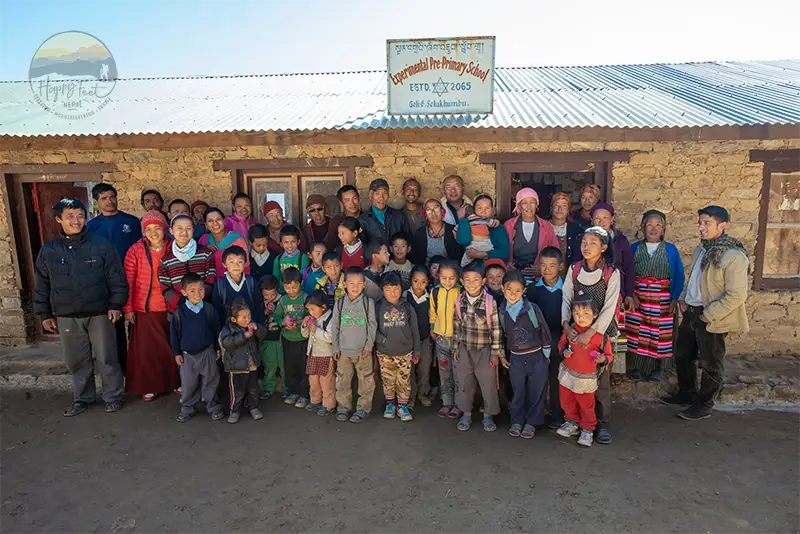
- Sherpa Culture Intensive Stop at Golla: A full day in the Sherpa village of Golla (2,980 m) offers monasteries, a nunnery, Sherpa cuisine, a local school visit, and a Ri Gelmu (Queen Hill) excursion for a 360-degree panorama
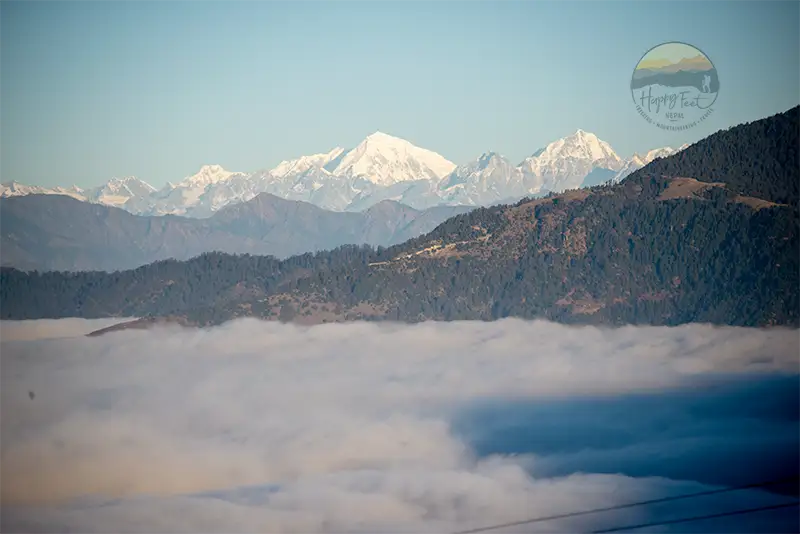
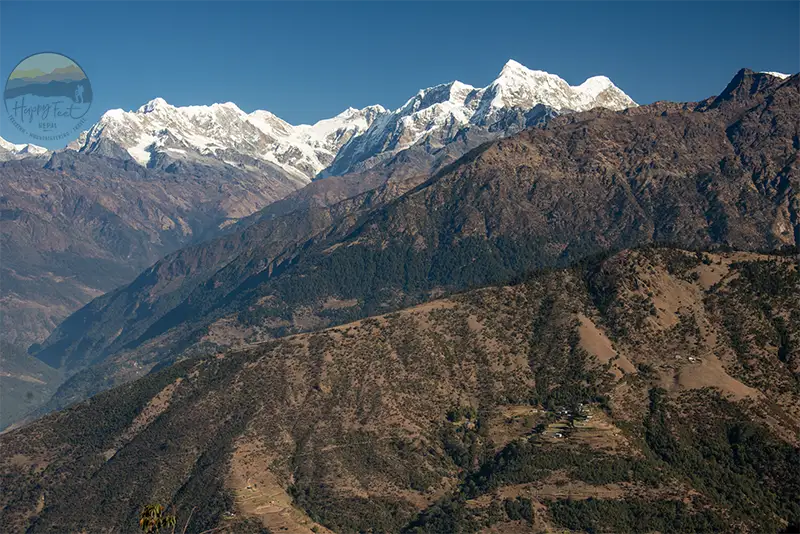
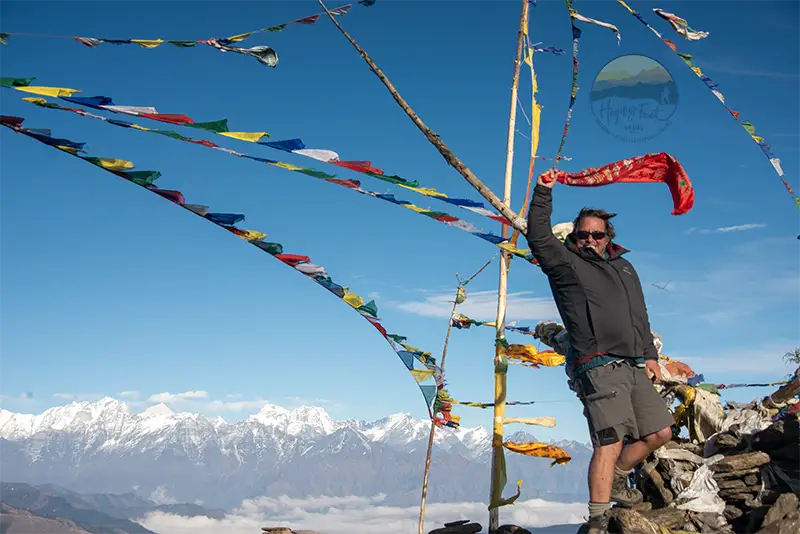
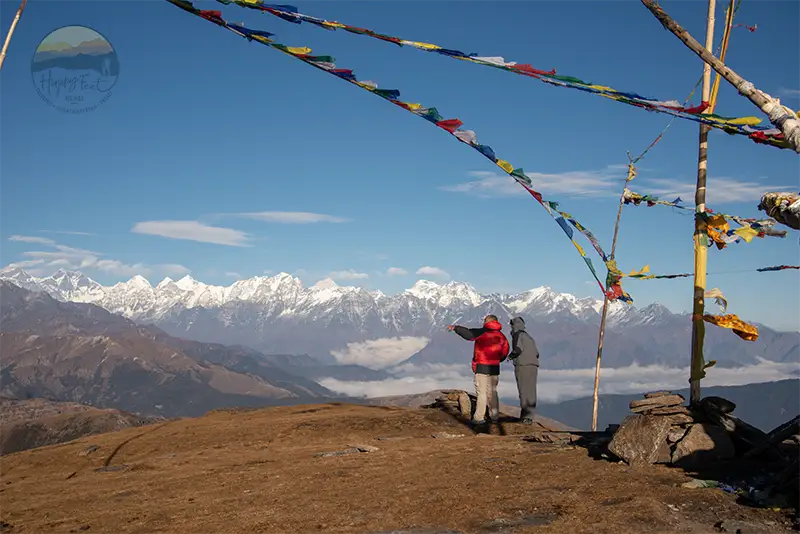
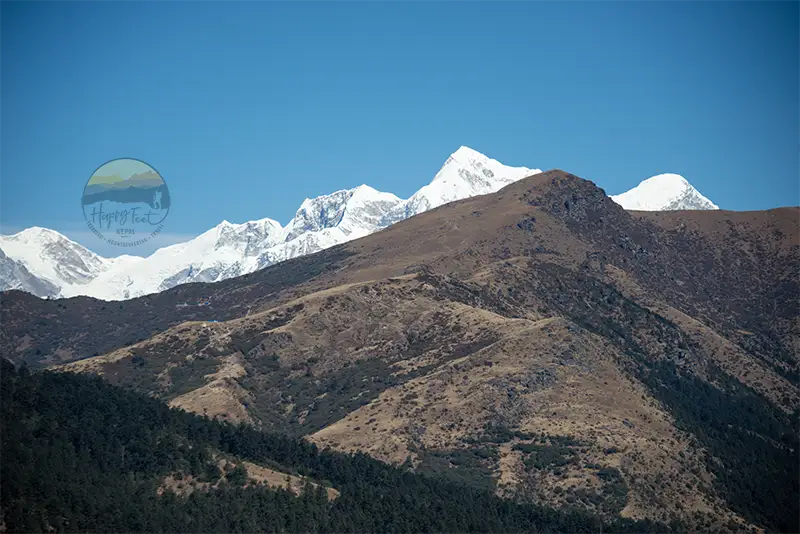
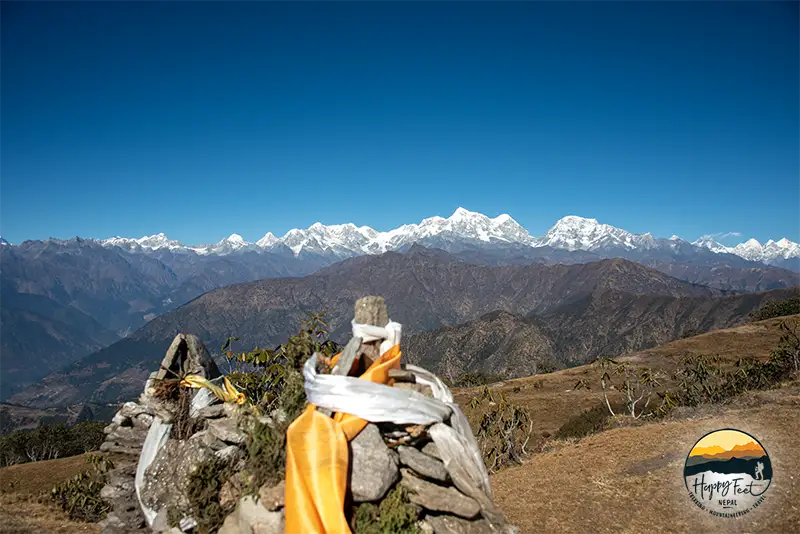
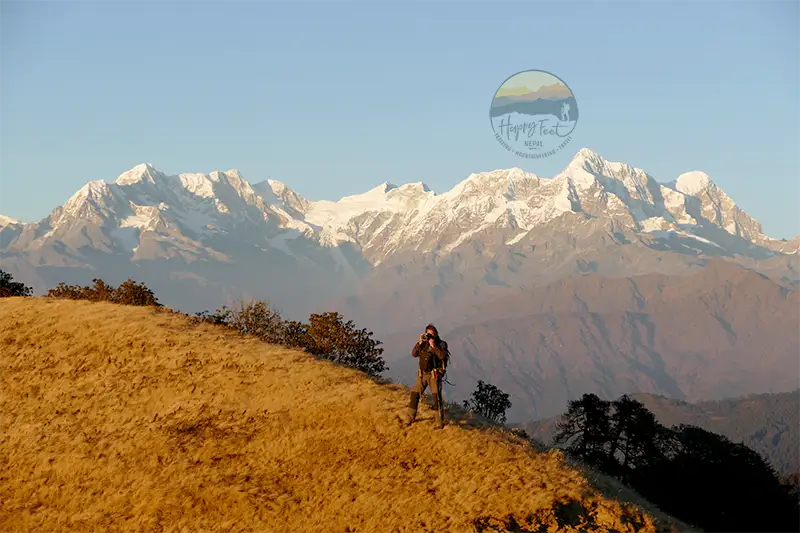
- Peekye Peak Base Camp and Summit Views: Ascend to Chhamdingma (Peekye Peak Base Camp) with sunrise/sunset views over Dhaulagiri to Kanchenjunga; a rest day allows hiking to Peekye Top for views of Everest, Makalu, and Kanchenjunga
Introduction
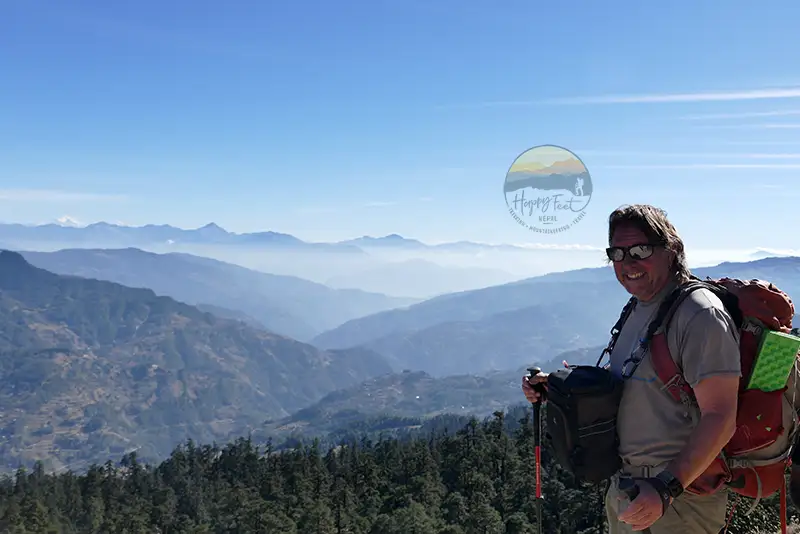
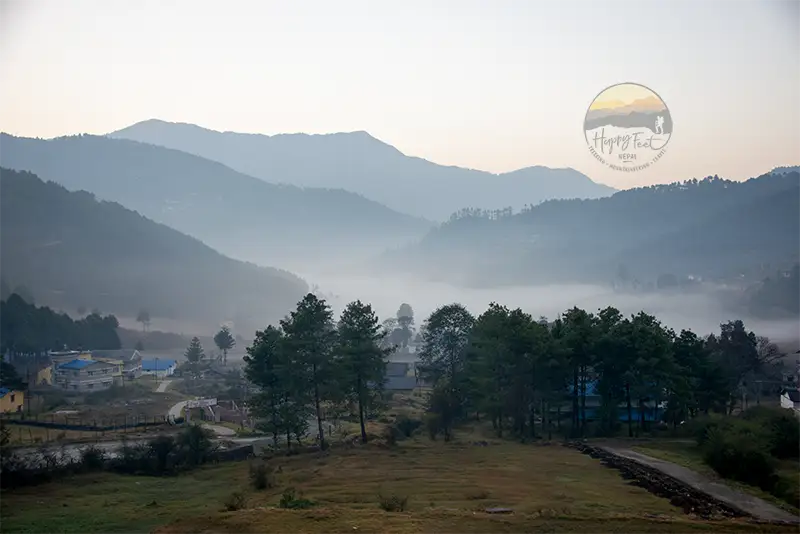
The 16-day Jiri to Peekye and Demba La trek is a unique, off-the-beaten-path adventure in the Nepal Himalaya, perfect for those seeking cultural immersion and stunning mountain scenery without the crowds of more famous routes. This moderate trek suits anyone in good physical condition and begins with a scenic drive from Kathmandu to Jiri, a charming, Swiss-built town often called the “Switzerland of Nepal.”
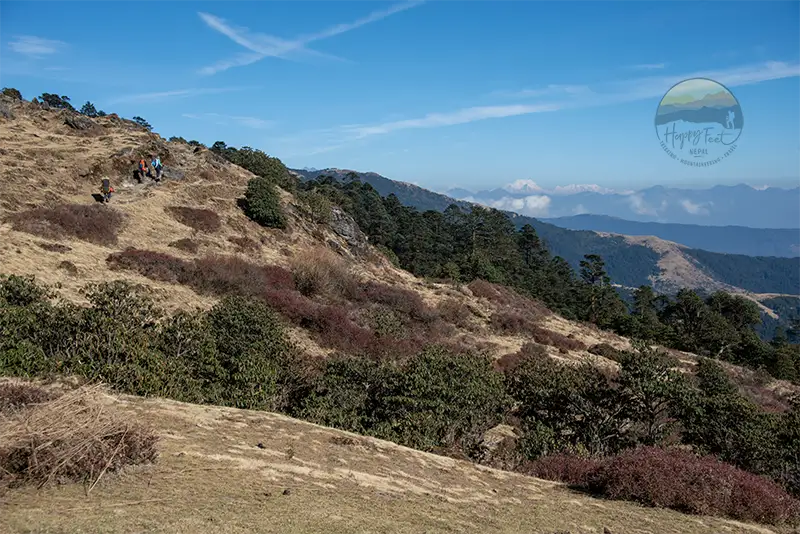
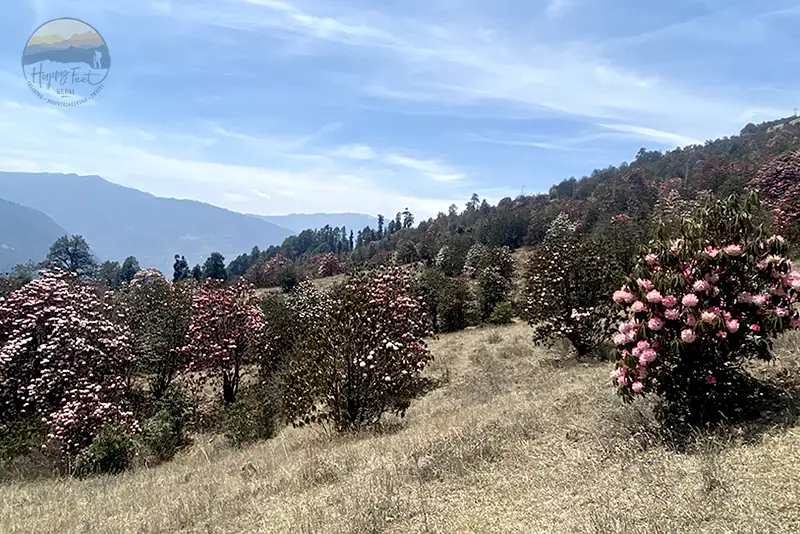
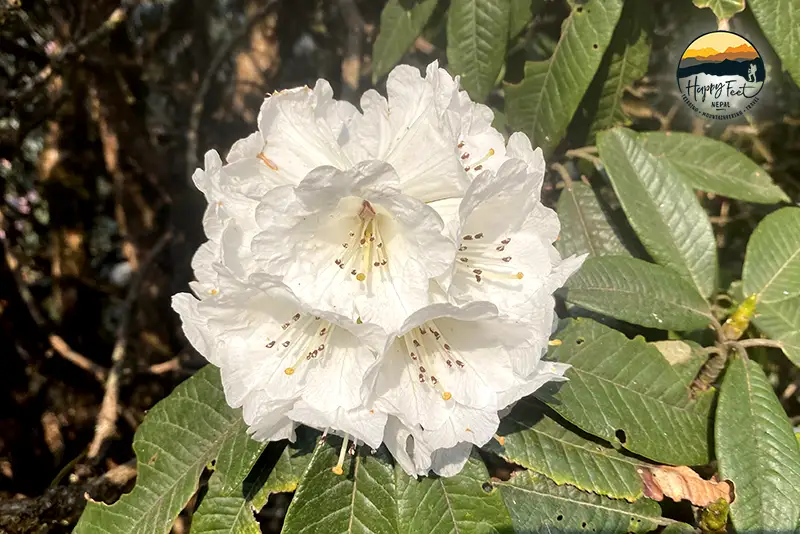
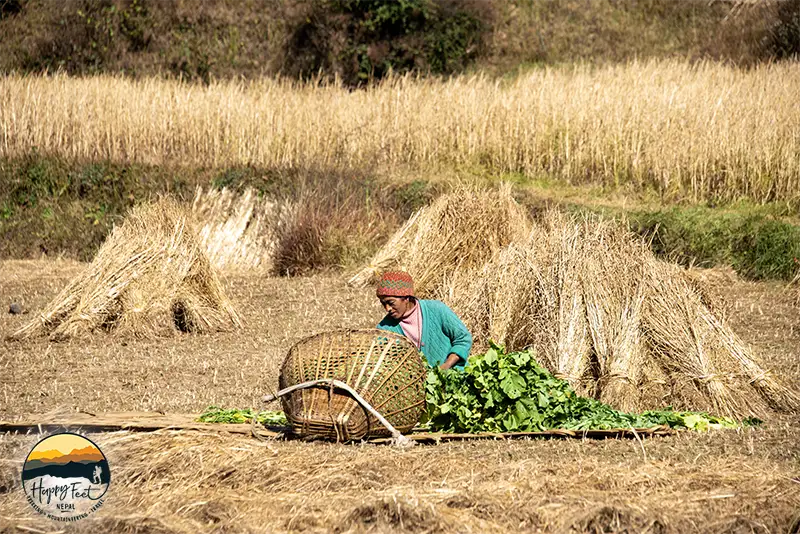
Your Jiri to Peekye and Demba La trek starts in Kathmandu (1,350 m), where you’ll be welcomed by a Happy Feet Mountaineers representative and transferred to your hotel. The next day, explore the highlights of Kathmandu, including the holiest Swayambhunath Stupa, the medieval cities of Patan and Basantapur, the living goddess Kumari, and the ancient Ason Bazaar. Then, drive to Jiri (1,900 m) and begin your trek, following trails that were once the original route to Everest. You’ll pass through traditional Jirel and Sherpa villages, traverse pine and rhododendron forests, and cross the Likhu River and enter the Solukhumbu district.
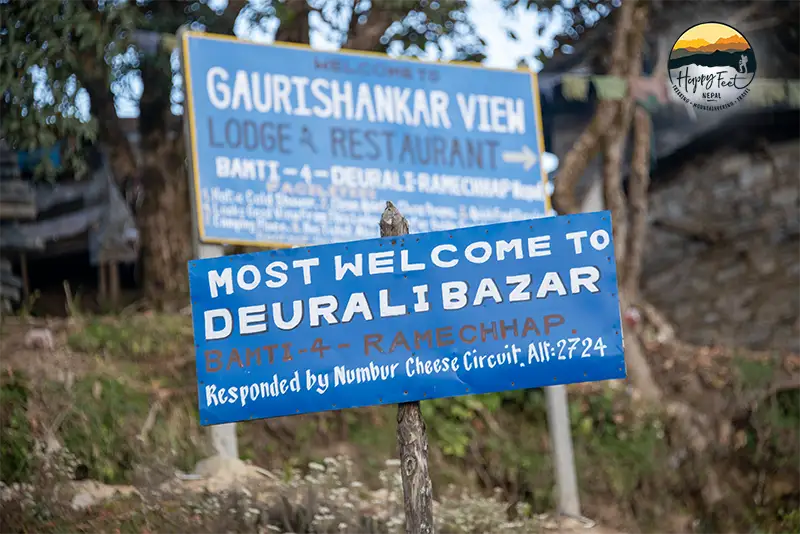
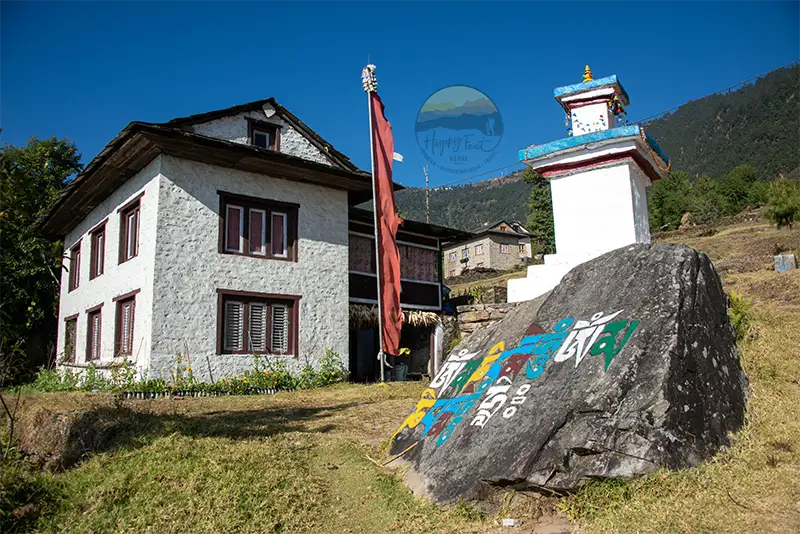
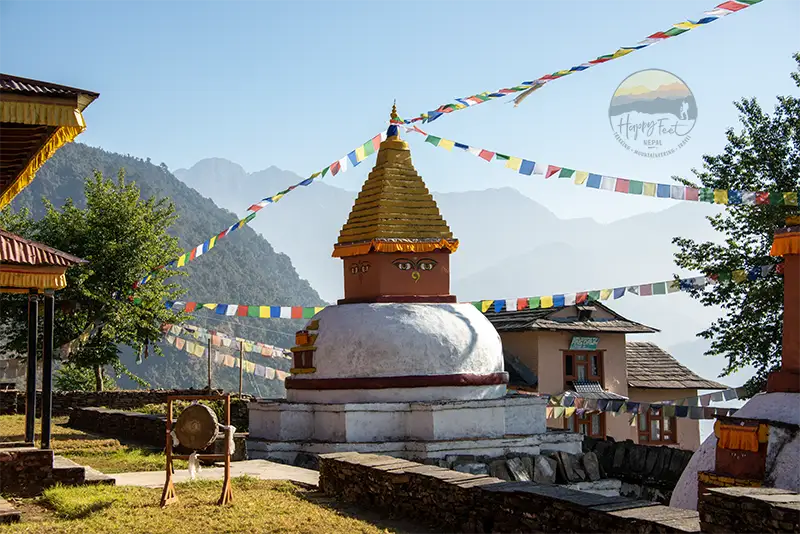
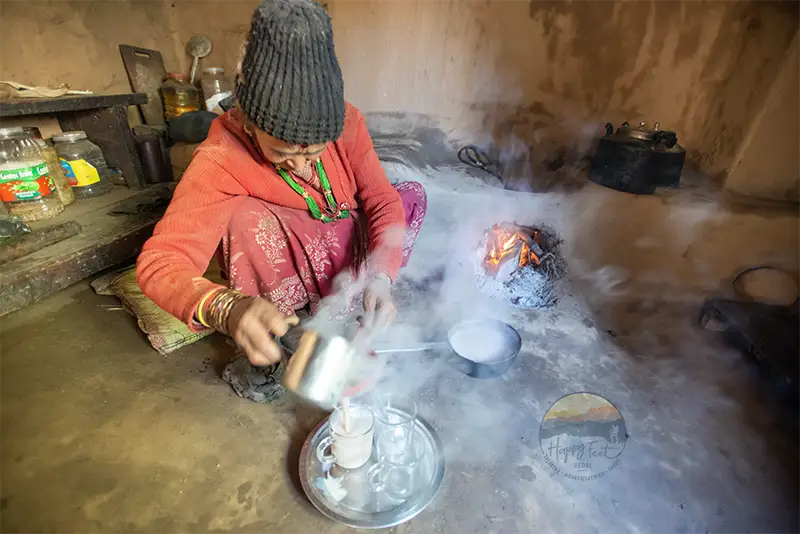
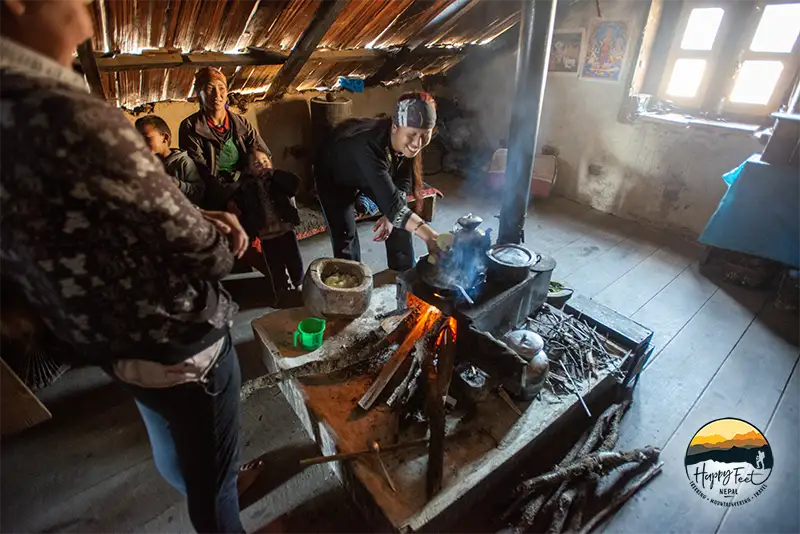
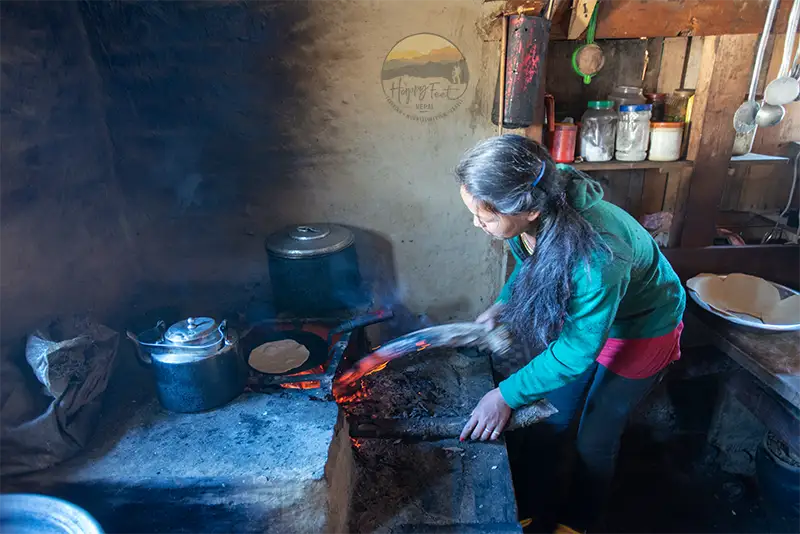
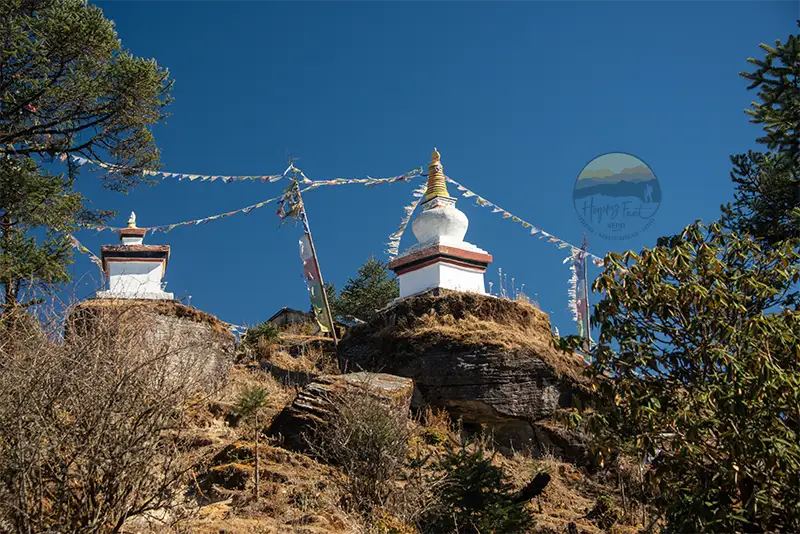
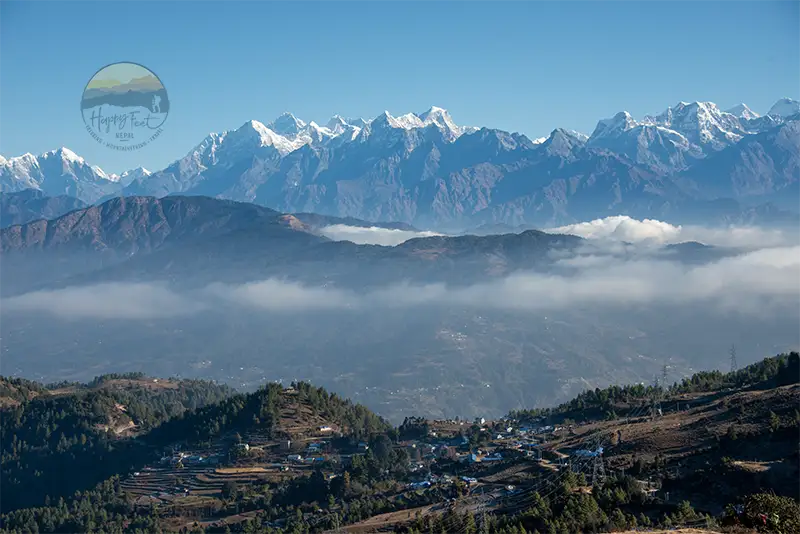
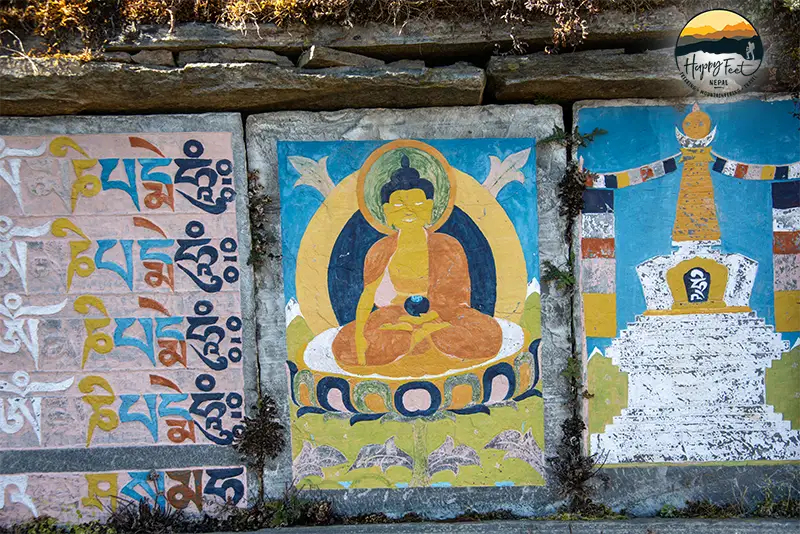
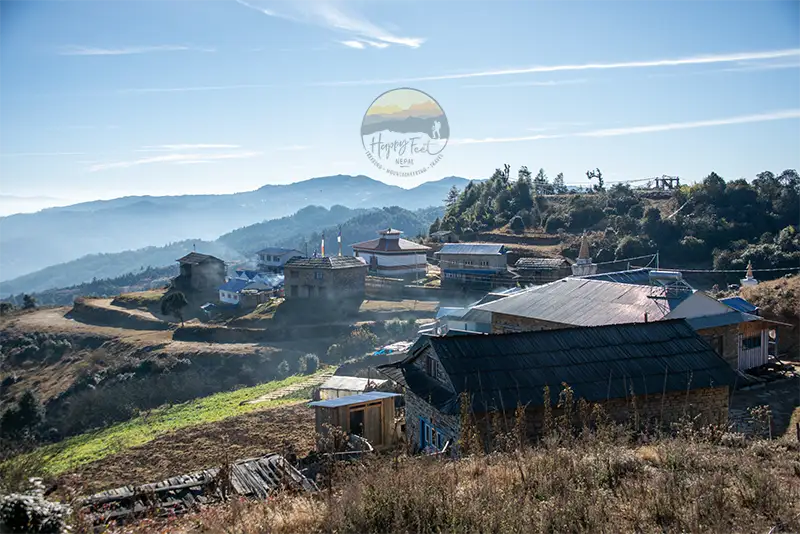
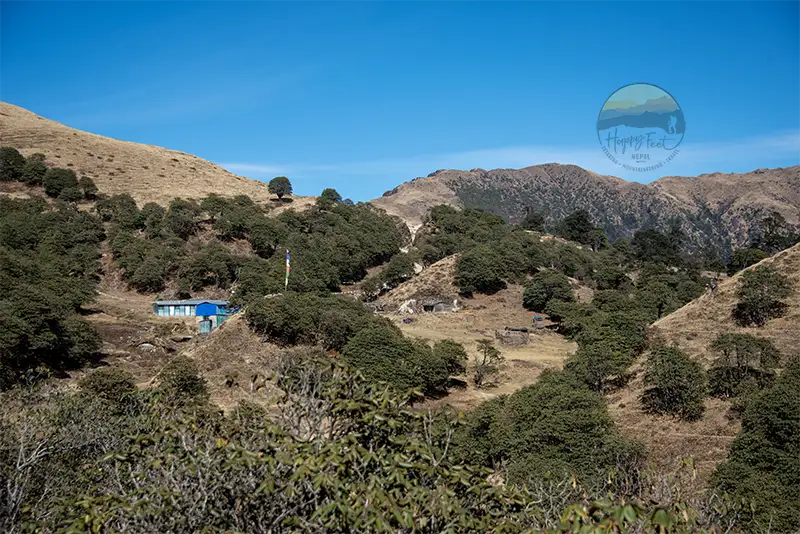
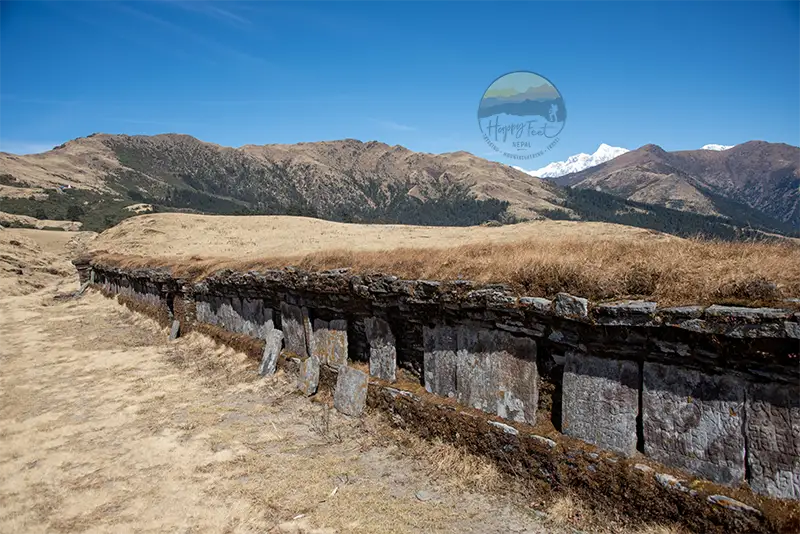
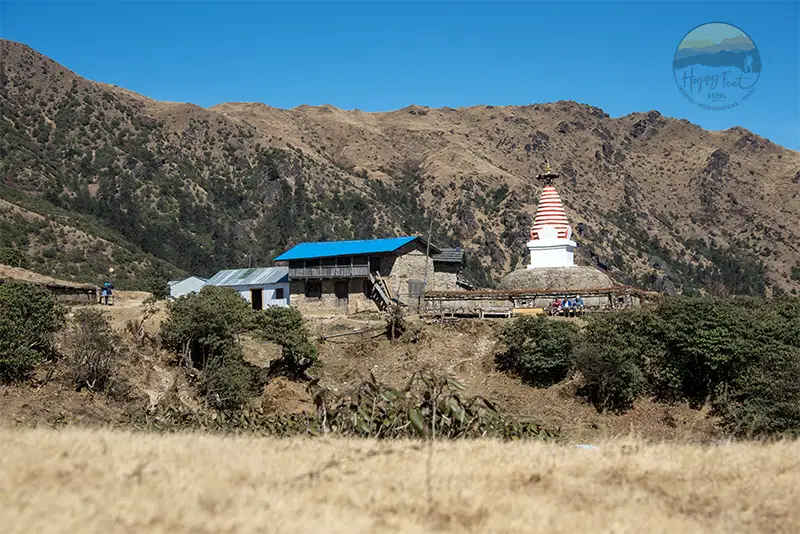
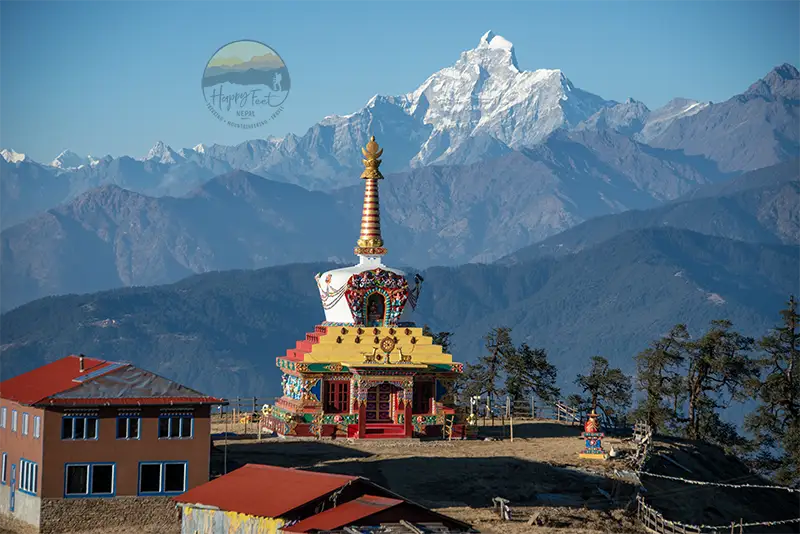
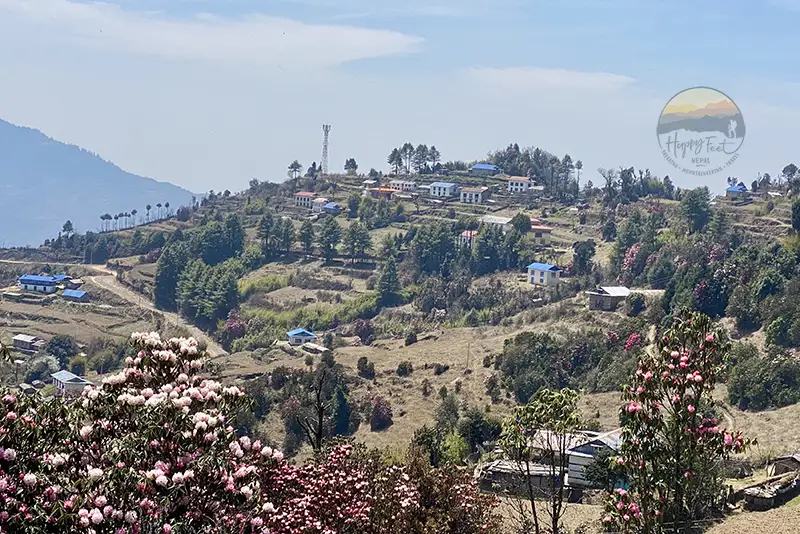
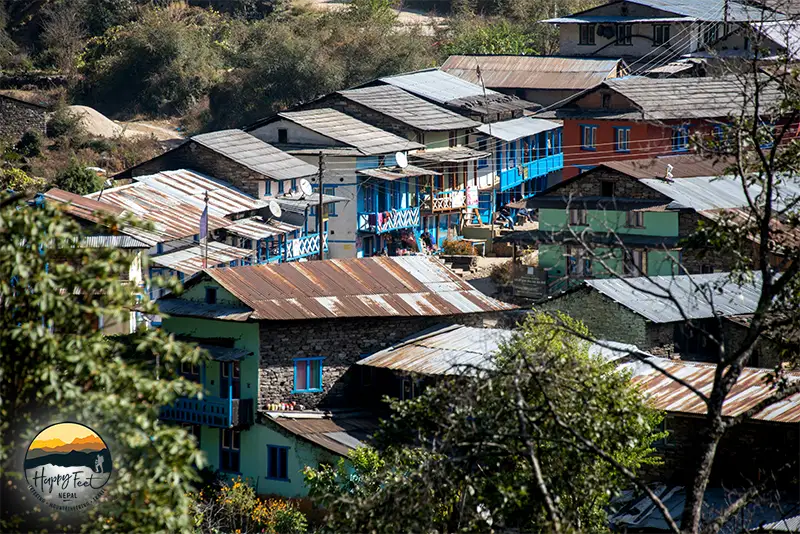
The Jiri to Peekye and Demba La trek takes you through picturesque settlements like Shivalaya, Deurali, and Bhandar (Chayngma in Sherpa), where you can visit ancient monasteries and enjoy panoramic views of peaks such as Gauri Shanker and Numbur Himal. A highlight of this trek is a full day of cultural immersion in the Sherpa village of Golla (2,980 m), home to three monasteries and a nunnery. Here, you can savor traditional Sherpa cuisine, visit the local school, and take a nature excursion to Ri Gelmu for a 360-degree panorama.
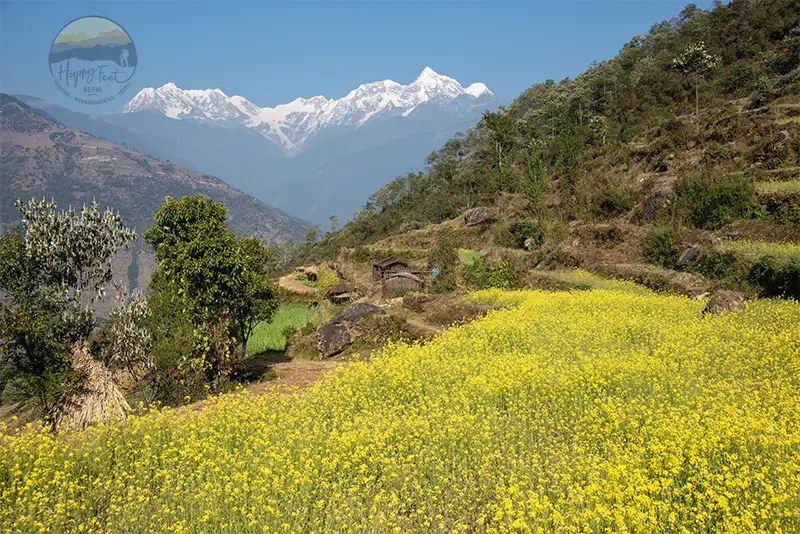
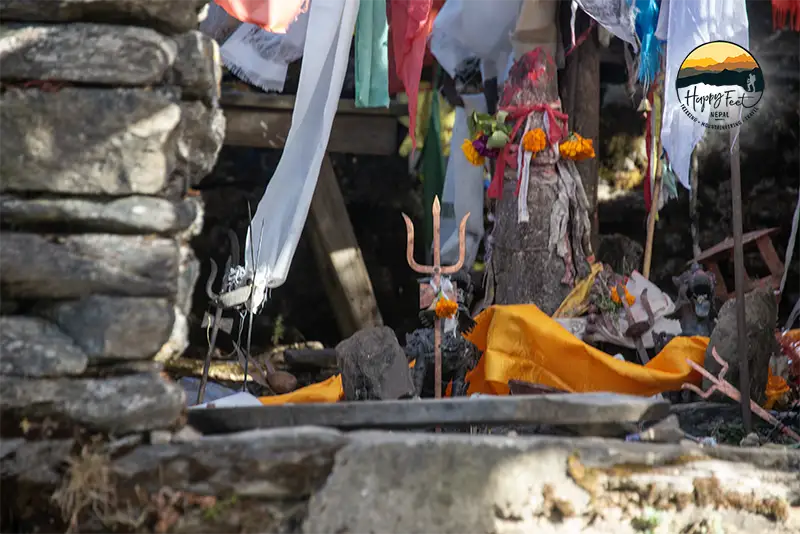
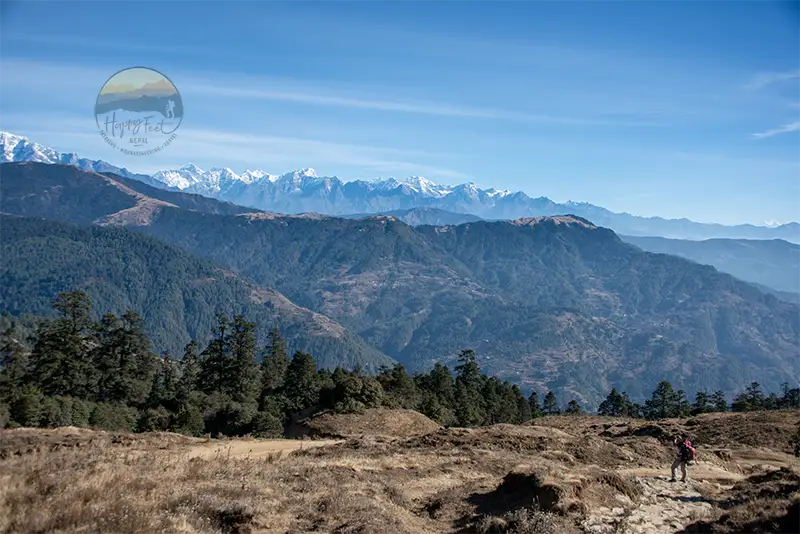
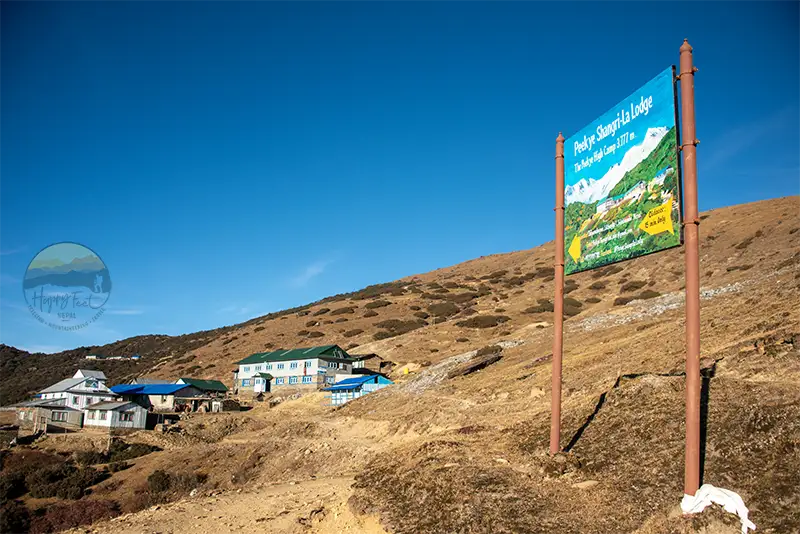
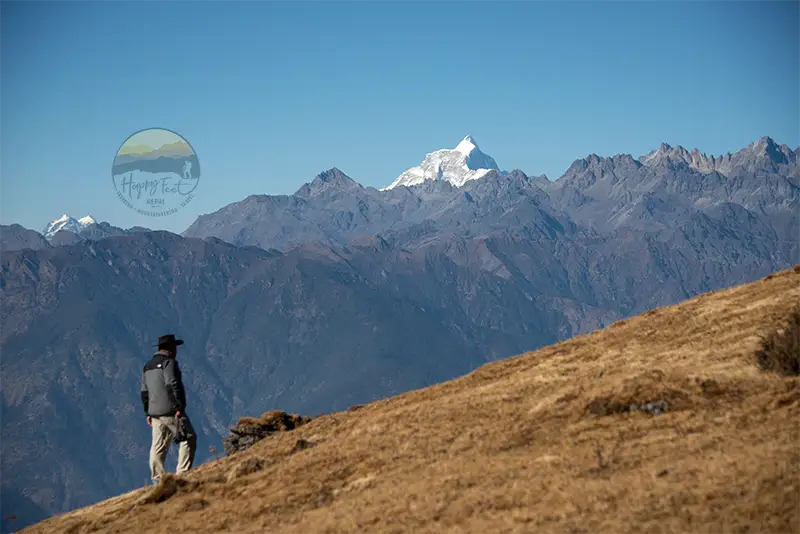
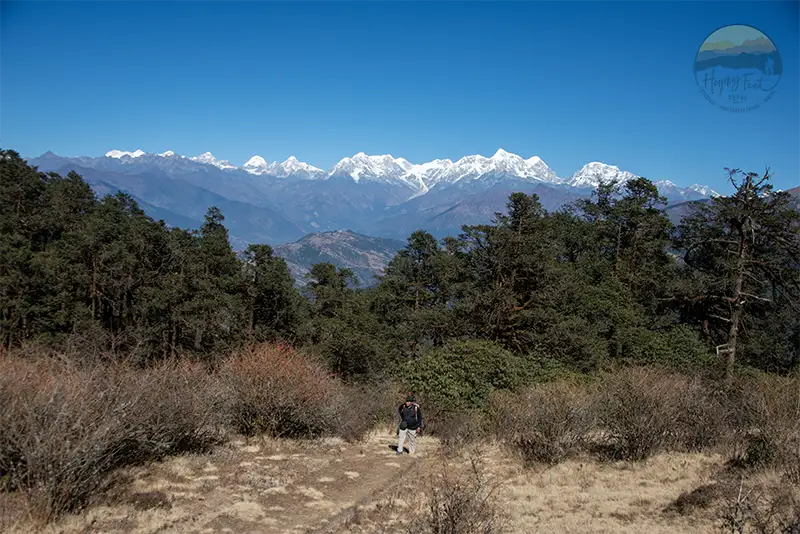
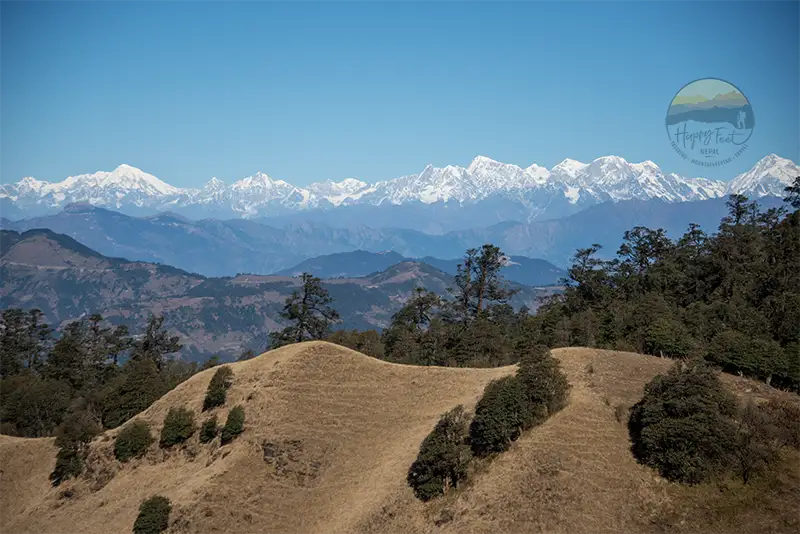
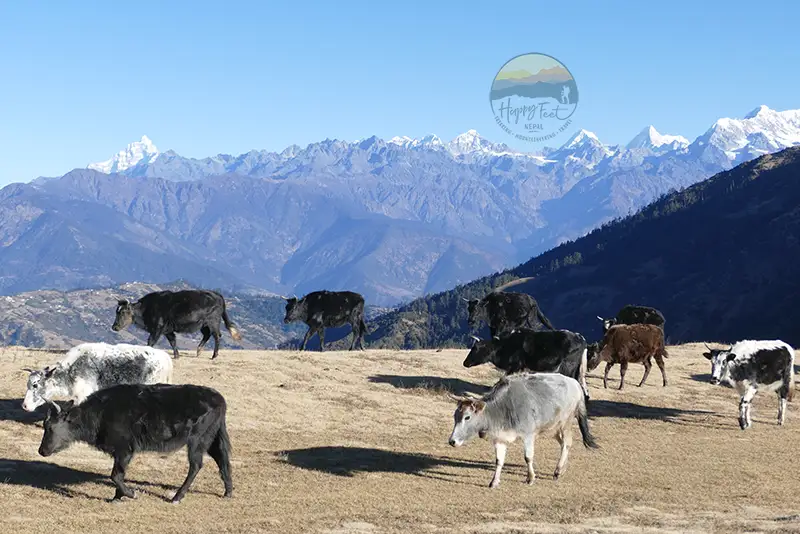
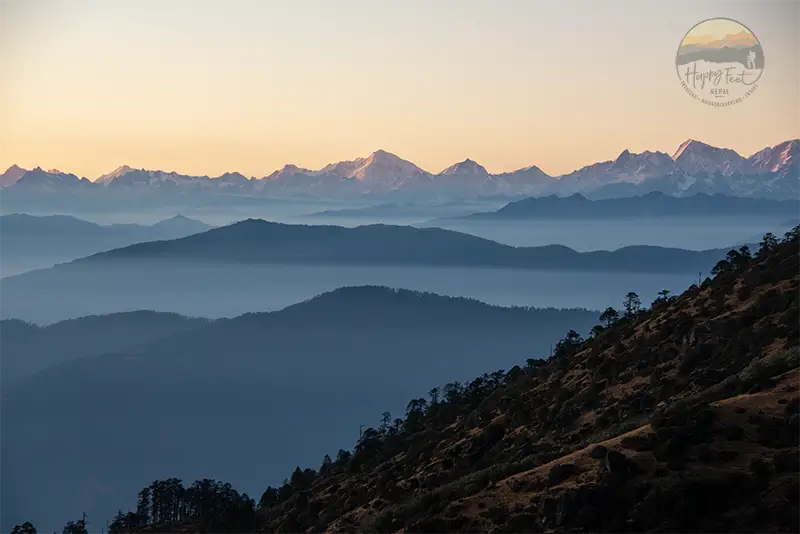
As you continue, you’ll ascend through rhododendron forests to Ngohur, a historic meditation site, and visit a local cheese production center before reaching Chhamdingma (3,640 m), also known as Peekye Peak Base Camp. This sacred meadow, surrounded by holy sites and springs, offers breathtaking sunrise and sunset views over the Himalayas, from Dhaulagiri to Kanchenjunga. A rest day here lets you hike to Peekye Top for an unforgettable panorama of Everest, Makalu, Kanchenjunga, and other giants.
The Jiri to Peekye and Demba La trek then winds through the villages of Taklung and Demba, where you can visit the Kilkhordingma Monastery, the largest in the Okhaldhunga district, and enjoy more spectacular mountain vistas. Finally, you’ll descend to Pattale Dhap (2,800 m), a scenic spot with some of the best views of Everest and the Numbur Range, and conclude your trekking part. After a scenic drive back to Kathmandu, you’ll spend a final day exploring the sacred sites of Pashupatinath, the medieval city of Bhaktapur, and the vast Boudhanath Stupa, concluding your beautiful, dream-like journey.
This extraordinary journey combines a lovely trek through pristine landscapes, deep cultural encounters in Sherpa communities, visits to ancient monasteries, and the unparalleled experience of standing before the highest peaks of the Himalayas. The best time for this trek is March to June and September to January, when the weather is clear, rhododendrons are in bloom, and the views are spectacular. If you’d like to customize this itinerary or the daily details, please let us know your requirements.