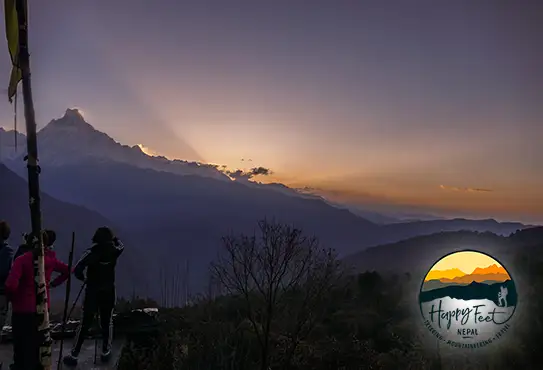
Annapurna Circuit with Nar Phu and Tilicho Lake

Trekking in the shades of Annapurna, into the forbidden valleys of Nar and Phu and in the sacred valleys of Manang and Kali Gandaki

Highlights:

  • Explore hidden corners of the high Manang Valley around Nar and Phu, including pristine, unspoiled villages and less-visited Himalayan areas.
  • Walk along the main scenic trails of the Annapurna Circuit, then head off the beaten path.
  • Spot elusive snow leopards and blue sheep, often seen on treks.
  • Next, visit Tilicho Lake and its Great Barrier.
  • Finally, cross the high Himalayan passes of Kang La and Thorong La and enter the beautiful valley of Mustang.’
  • Admire the natural setting of Pokhara
  • Visit six World Heritage sites in Kathmandu

Exploring the Hidden Gems of the Annapurna Circuit

The Nar Phu and Annapurna Circuit Trek with Tilicho Lake itinerary covers the most significant areas of the Annapurna Circuit trail. Nar-Phu lies in the Annapurna region, where the trek begins on the main Annapurna Circuit trail before branching off to reach the hidden country of Nar and Phu villages. Two alternative trails reach the area: one from Manang to Nar, crossing the Kangla Pass, and another from Mustang to Phu, crossing the high Saribung Pass. These three trails see very few travelers, mostly those who include Nar-Phu in a trek and some mountaineers climbing Himlung. Therefore, the opportunity to explore in peace and mingle with the local community is immense. Nar-Phu is a beautiful place to experience the culture and traditional life of the natives, rich in Buddhist practice, hidden at the base of Mount Himlung in a harsh mountain atmosphere yet in harmony with pristine natural surroundings.

A Journey Through Secluded Landscapes of Nar Phu

The Nar Phu area, a hidden gem, is naturally secluded from the outside world. Tucked on the far side of northern Annapurna and behind the scenic Manang Valley, it offers exclusivity and beauty, enclosed by the Himalayas and canyon valleys. However, entering this privileged realm requires a special permit from Nepal Immigration. Kang Guru, Pisang Peak, and Mount Himlung dominate the valley, with Himlung among Nepal’s most popular 7000-meter mountains.

Trekking from Phu to Nar

After a day at Phu village, we walk to Nar, a village with equally stunning mountain scenery. From Nar, the trek ascends to Kang La Pass, offering awe-inspiring panoramic views of Annapurna, Chulus, and the Manaslu Himal range, with Pisang Peak, leaving you breathless.

Conquering the Kang La Pass and Continuing the Adventure

After conquering Kang La Pass, a brief descent brings you to the captivating Manang Valley. Traverse the valley, cross Thorong Pass at 5416 meters, the highest point of the trek, and descend to Kali Gandaki, where you can explore some of its remarkable villages. The trek concludes in Jomsom, where you can choose your return journey. A 20-minute flight lands you in Pokhara, a city renowned for its beauty; from there, you can fly to Kathmandu or take a scenic 200-kilometer drive. Alternatively, extend your adventure by heading further south to Lumbini, Bardia, Palpa, Bandipur, or Chitwan National Park.
Arrive, welcome by Happy Feet Mountaineers representative, and transfer to the hotel. Free day to explore or rest.

Guided tour: Swayambhunath Stupa, Patan Durbar Square & Museum, Basantapur, and Ason Bazaar.

9-hour drive via Besisahar, following the Marsyangdi River past villages and waterfalls.

5-hour trek through rhododendron and pine forests, passing Bagarchap and Timang with Manaslu views.

5-hour trek through narrow valleys and yak pastures below Pisang Peak.

3-hour trek past Meta and Jhunam, with views of Annapurna II, Pisang Peak, and Swargadwari ridge.

6-hour trek through cliffside trails and the Phupi Gyalgoe Gate. Spot blue sheep and snow leopard habitat.

Explore Tashi Lhakhang and Samdu Choling Monasteries, meditation caves, and Kyauchyu waterfalls.

6-hour trek past ruined Zampa Dzong and twin bridges over Dho Khola canyon.

3-hour climb through Nar Gate with Kang Guru and Pisang Peak views. Visit village monasteries.

2-hour leisurely trek across yak pastures to Kang La Phedi.

6-hour trek over the pass, with views of Annapurna, Manaslu, and the Nar Phu Valley. Descend to medieval Ngawal village.

4-hour trek via Humde and Braga. Visit Braga’s 600-year-old monastery.

6-hour trek via Khangsar village and Thare Gonpa. Enjoy views of the Marshyangdi Valley and blue sheep.

7-hour trek to the sacred lake, with views of Tarke Kang, Gangapurna, and Tilicho Peak. Descend to Shree Kharka.

4-hour trek via Yak Kharka, rejoining the classic Annapurna Circuit trail.

3-hour early morning crossing with grand mountain views. Descend to the sacred Muktinath temple.

5-hour trek via Lupra Gonpa and Thini village. Farewell party with Nepali staff.

20-minute scenic flight with views of Dhaulagiri and Annapurna. Free afternoon at Lakeside.

Sunrise at Sarangkot; visit Pumdikot Shiva Temple and the World Peace Stupa. Boat across Phewa Lake, fly to Kathmandu.

Guided tour: Pashupatinath Temple, medieval Bhaktapur, and Boudhanath Stupa. Farewell dinner.

Breakfast and leisure time. Transfer to the airport 3 hours before the flight.

Includes

  • Airport pick-up and departure services as per itinerary
  • 4 nights of 4-star hotel accommodation in Kathmandu on a twin-sharing basis, breakfast included
  • Happy Feet Mountaineers Trekking Kit Bag for each member
  • Kathmandu to Syange road transportation in a 4×4 Jeep.
  • Kathmandu to Jomsom full board service (all meals prepared by our mobile cook and kitchen staff), a fully tented camp service
  • Nar-Phu Valley special trekking permits.
  • Annapurna Conservation Area entry permits
  • Trekking staff: one guide in the group and one porter between every two members and
  • one Sherpa-guide-helper for every six members in the group
  • All necessary food and beverages for the trekking period.
  • Jomsom to Pokhara and Pokhara to Kathmandu airfare (tax included)
  • One night in a 4-star hotel in Pokhara, breakfast included.
  • Guided tour of Pokhara (transport and monument entry fee included)
  • A satellite mobile phone for emergency communication.
  • An emergency medical kit box for first aid.
  • Insurance and expenses of all local staff

Excludes

  • International air tickets to and from Nepal
  • Travel insurance (helicopter evacuation, medical assistance) mandatory
  • Trip cancellation/interruption insurance (Not mandatory but at personal risk)
  • Nepal entry visa and visa fee
  • Lunch and dinner in Kathmandu and Pokhara
  • Personal expenses
  • Alcoholic and mineral beverages during the trek
  • Other charges such as internet, telephone, and laundry services.
  • Tips for Nepali staff and those not mentioned in the inclusions section.

Spring and fall are the best times to trek in the Annapurna region. However, the fall/autumn season, from October to January, is undoubtedly the best time to visit Nepal. The weather remains crystal clear, with breathtaking views of the Himalayas and the landscapes. However, it is colder at high altitudes during both seasons.

Theoretically, spring is the second-best season, but many consider it the best. Spring is more interesting because rhododendrons and wildflowers bloom in Nepal’s mid-hill region. Areas above Syange to Kyang and Jomsom to Ghorepani are prime spots for rhododendrons, especially on an Annapurna Full Circuit Trek. However, spring also builds monsoon clouds for summer rain; you may encounter occasional rain in the lower valleys and hail at high altitudes.

The summer season, monsoon time in Nepal, is also a beautiful time to visit the high dry land, from Nar-Phu and Manang to Tilicho and Muktinath and Kalopani. Monsoon rain feeds the highlands, turning the meadows into lush green valleys and hills. In summer, the high plateau is carpeted with yellow and multicolored flowers, and streams and medicinal plants support the Yaks and sheep that graze in the region.

In the Nar-Phu, Manang, and Muktinath regions, winter temperatures, especially from January to February, may drop to -15 degrees from sunset to sunrise. However, daytime temperatures remain 0 to 18 degrees. Therefore, we do not recommend this itinerary from mid-January to mid-March.

Let us know your Experiences

Subscribe
Notify of
guest
0 Comments
Oldest
Newest Most Voted

Trip Overview

Destination Annapurna Region
Duration 22 Days
Starts from Kathmandu
Ending Point Kathmandu
Trip Style Trekking
Difficulty Moderate to challenging
Best Time Mar-Jun & Oct-Dec
Transportation vehicle & flights
Accommodation 4* Hotel & Teahouse Lodge
Max Altitude 5416 m
Meal BB in City & full board on trek
Group Size 2 - 14 Pax

Inquiry Form

Customize This Trip
0
Would love your thoughts, please comment.x
()
x