Everest Climbing Itinerary

The Ultimate Guide to Reaching the Summit. Explore our comprehensive Everest Climbing Itinerary. Learn how expedition groups adjust rotations for acclimatization and prepare for the ultimate summit push on the Third Pole.

Introduction

An Everest Climbing Itinerary depends on the program set by each expedition group and its aims. The Everest Climbing itinerary presented here is a general base itinerary. Still, as expedition groups start climbing from Everest Base Camp, each climbing pair or group adjusts their itinerary as they complete the acclimatization rotation.

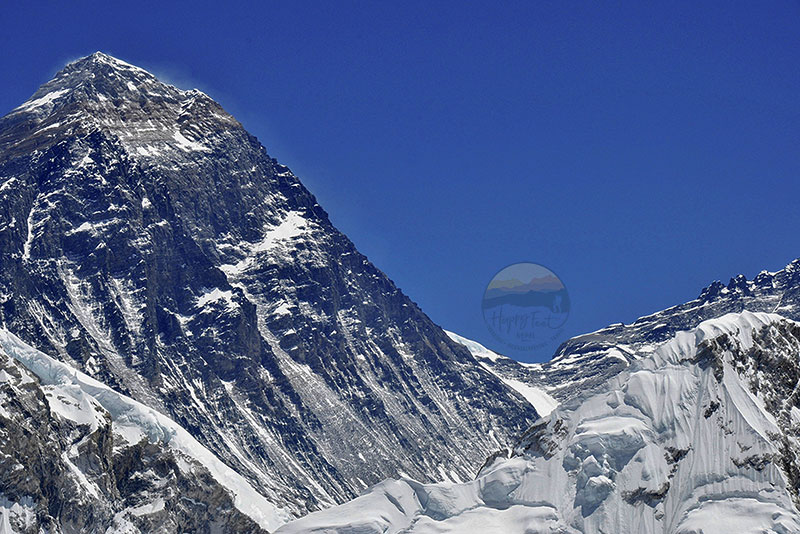
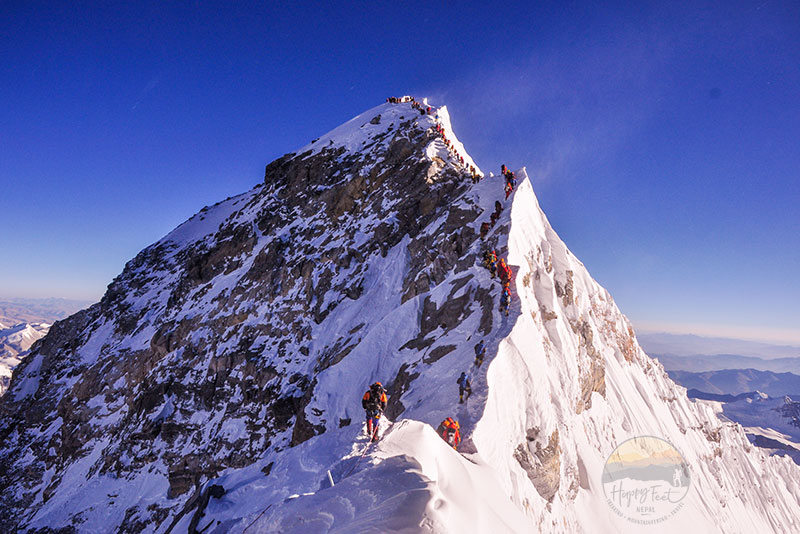
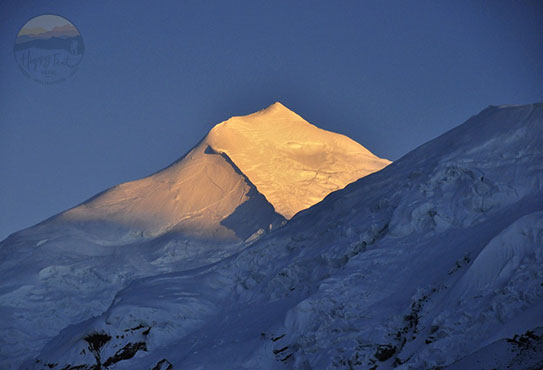
Mount Everest, the Third Pole, is the highest of all 14 loftiest peaks above 8,000 meters on the planet. The mountain and its surrounding area are vital for their height, beauty, and ecological significance, including unique flora and fauna that adapt to extreme conditions. Everest and its range accumulate some of the largest amounts of snow and ice, continuously feeding numerous major rivers that benefit billions of people and natural habitats in South Asia. Sir George Everest, Surveyor General of India from 1830 to 1843, brought the world’s highest mountain to broader public attention.

The official name “Everest” was given in 1965. Everest is Sagarmatha in Nepali and Chomolungma in Tibetan/Sherpa/Rai. The name Sagarmatha (Head/Forehead in the sky) was given by the Nepalese historian Baburam Acharya (1888-1971) in 1955. The name Chomolungma (Goddess Mother of Mountains) in Tibetan, Sherpa, and Limbu/Rai is believed to have existed long before Everest and Sagarmatha, fostering respect for these cultural names. Mount Dhaulagiri and Mount Kanchenjunga were the first and second to be recognized as the world’s tallest mountains before Everest was recognized. The summit of Everest also marks the international border between Nepal and Tibet. Tenzing Norgay Sherpa of Nepal and Sir Edmund Hillary of New Zealand were the first humans to conquer the mountain, followed by numerous men and women. Most climbers who reach Everest’s summit live glorified lives. The feat is considered one of a lifetime’s achievements.

Arrive in Kathmandu, complete customs and immigration formalities, and collect your baggage, which can take some time. Upon exiting, arrivals get a traditional welcome from the Happy Feet Mountaineers representative and are transferred to the hotel. After you reach the hotel, the rest of the day is free, with optional excursions available (not included); you can also request tours or stroll through the city’s vibrant streets.

Kathmandu, the capital and heart of the country, with three medieval cities, symbolizes everything about Nepal. Shaped by several ruling Buddhist and Hindu dynasties, the culture and society of the Kathmandu Valley have evolved, giving it a unique character. Today, it is a rapidly growing urban center, with ancient myths and, at the same time, a testament to the greatness of the people who have lived there for time immemorial.

A completely free day for last-minute shopping and repacking your bags for base camp. This evening, you will need to hand over your bags to base camp for cargo to Lukla and then by porter to Everest Base Camp. The mountaineering team leader will need to go to the Department of the Ministry of Tourism to sign the document related to the mountaineering permit and responsibilities.

A 30-minute flight and a 3-hour trek.

Have breakfast, then take a short drive to Kathmandu Airport to board the domestic flight to Lukla. A 30-minute morning flight takes us to Lukla, with grand views of Himalayan peaks. You will be greeted by an excellent mountain panorama from the first step onto Lukla Airport, with cool air that lets you feel the atmosphere. Spend about an hour with tea/coffee and hand over your luggage to the porters. Then, take a short introductory walk while the porters prepare their load. After spending an hour, start the trek with great excitement.

Start the trek through the village of Lukla; check in with Khumbu Pasang Lhamu and Sagarmatha National Park Entry permits at the end of town, then exit the village by walking immediately down through a forest northwest, with welcoming views of Mount Kongde (Dudh Kunda Mountains) ahead. After about a twenty-minute walk, the trail continues to Chhoplung, where you can see the village and the School of Chauri Kharka (currently misspelled as Chaula Kharka). (Chauri is a female yak, and Kharka means Shed in Nepali). Chauri Kharka is the largest and ancestral village of Lukla until Lukla Airport was built on pastureland. After a short traverse, join the trail from Jiri to Everest Base Camp at Chhoplung, a Sherpa hamlet. From Chhoplung, a level trail with short descents and climbs takes you through several villages, including Ghat. The views ahead are Phakdingma, the Dudh Koshi River Valley, and Kwangde Mountain. Most houses along the trail and in the villages are lodges and restaurants for travelers. Finally, cross several beautiful villages such as Ghat and arrive at Kharikhola village on the bank of the Dudh Koshi River.

A 5-hour trek.

The trek follows the Dudh Koshi River valley through a narrow valley carved by the river and guarded by the bases of Kusum Kanguru Mountain and Kwangde Mountain. The river valley narrows, but the walk remains pleasant, with occasional mountain views and teahouses until you reach Monjo, the entrance to Sagarmatha National Park and our lunch spot, a lovely place on the banks of the Dudh Koshi River. The high mountain slopes are beautifully dense, home to elusive Himalayan fauna and flora.

The afternoon walk climbs to Namche Bazaar through a lovely forest, crossing the Dudh Koshi twice via a sky-high suspension bridge. The walk up to Namche takes 2 hours with rest.

Namche Bazar sits at 3500 meters and is a major junction, with branching trails to Thame, Khumjung, and Tengboche. The path via Thame leads to Tibet via Nangpa La Pass, to Rolwaling via Tashi Lapcha Pass, and to Gokyo via Renjo La. With demand, the Sherpa town has developed into a colorful, diverse market, selling everything, including trekking and mountaineering equipment. In addition, there are hotels, restaurants, pubs, cybercafés, pool houses, Banks, health posts, a monastery, and a Sherpa house museum. Most trekkers rest in Namche on the way up and stop here for lunch or refreshments on the way back. Those resting in Namche can hike to Thamo village on the way to Thame, or take a stroll to Everest View Hotel, a five-star hotel above Namche with fantastic views of Everest and its surroundings.

After breakfast, take a scenic trek from Namche to Khumjung. The trail leads through the Shyangboche airstrip, a short landing field for the Pilatus Porter plane. Instead of going directly to Khumjung, take the trail via Everest View Hotel, a 5-star hotel, and enjoy the 360-degree panorama of the Khumbu region. Have lunch at Everest View Hotel, then take a leisurely descent to Khumjung. If you go to Khumjung for Lunch, you will visit Khunde village and its monastery. Have lunch, visit the Khumbu monastery, and walk up to Khunde village; rest with some refreshments, and see the villages. Then leave Khunde village and walk southwest, cross a mani wall and stupa, and enjoy a beautiful gradual hike through sparse but tall pine trees and fantastic Himalayan scenery, including Khunde village and Khumbila. Khumbila is the sacred black mountain above Khumjung and Khunde villages with several ancient meditation caves. Finally, arrive at a lovely ridge opening to the southwest with views of Kwangde and a small Pilatus porter landing field. Cross the ridge into Khumjung School, completing a beautiful circuit and rest overnight.

A scenic trail exits northeast of Khumjung with a gradual descent and reaches a trail junction branching to Gokyo, Namche, Khumjung, and Tengboche. Take the trail to Tengboche, traversing a hill ridge. Highlights of the day include the Dudh Koshi Valley, Thamserku, Kusum Kangru, Ama Dablam, Lhotse, Nuptse, Everest, Tawoche, Khumbila, and Kwangde. The area from Namche to Tengboche and Phortse is home to the Himalayan tahr, standing on sheer cliff tops and hill slopes with luxurious manes; rainbowy impeyan pheasants, Nepal’s national bird; and skittery Musk Deer. Take the trail to Everest Base Camp, then head toward Punggi Tenga with a pleasant descent below the Phortse and Tengboche villages, where you will have lunch.

 In the afternoon, you’ll climb uphill to Tengboche through a forest of rhododendron, pine, and birch. While resting, you’ll have beautiful views toward Namche, Kwangde, Everest View Hotel, Mongla, Kangtega, Kusumkangru, Dudh Koshi Valley, and Khumbila. With the first step onto the Tengboche meadow, the views to the north are unobstructed, with imposing Ama Dablam, Lhotse, and Nuptse, peaked by the tip of Mount Everest. Tengboche is a beautiful place for its views. Check into your room, enjoy refreshments, and visit the Tengboche Monastery.

 Tengboche Monastery is one of the best-known monasteries in Nepal, largely because of its unrivaled backdrop of Mt. Ama Dablam. This monastery was the leading Buddhist center in the Khumbu region under the guidance of Tengboche Rinpoche, who passed away on 10 October 2020. Another active monastery in the Khumbu region is the Thame monastery. Among the oldest are Pangboche Monastery, Thame Monastery, and Rimijung Monastery, founded by Lama Sangwa Dorjee and his two tantric brothers.

A 6-hour trek.

The morning starts with grand views. The first part of the trek leads downhill through a lovely rhododendron and pine forest to Debuche with several lodges and a monastery of nuns; those interested may visit the monastery. Continuing a level walk through a pleasant, primitive-looking forest brings you below Pangboche village. Next, cross the bridge and go uphill to Pangboche for a majestic view of Ama Dablam; Ama Dablam Base Camp is barely within two hours of easy walking distance.

 The ancient original settlement sits above the main trail to Everest Base Camp amid tall Himalayan juniper trees, so briefly climb to Pangboche village, one of the ancient villages of the Khumbu Valley, with a monastery. Pangboche Monastery, Thame Monastery, and Rimijung Monastery are among the three most ancient monasteries in the Khumbu Valley, founded by Lama Sangwa Dorjee and his two tantric brothers. We stop here for lunch, visit the monastery, solicit a puja ritual, and pray for an obstacle-free expedition.
 The afternoon starts on a level trail along the river, with views of Ama Dablam and Chhukung Valley. Finally, cross a bridge over a stream that flows from the Khumbu Glacier below Pheriche, then take an easy walk to Dingboche, the last large village in the Chhukung Valley.

A 6-hour side excursion.

A further acclimatization day at Dingboche before entering the Everest Base Camp area, to ensure nothing surprises us during our lifetime program. You have several options for the day, including relaxing at the lodge. The most recommended option is an excursion up to Chhukung, the last inhabitable site below the sheer Lhotse and Nuptse wall. The trail to Chhukung and back is beautiful, with mani walls and some sacred sites adorned with colorful prayer flags, fluttering against the incredible views all around. If you make this trip, take in the energy of summiting Chhukung Ri (5540 meters) and enjoy the red granite of Makalu, the south wall of Baruntse, Ama Dablam, and, within reach, the sheer walls of Lhotse and Nuptse! Many of our guests say Chhukung Ri has the most beautiful views in the World. Have lunch at Chhukung and retrace your steps back to Dingboche, one of the most beautiful days. A short climb above the village offers gorgeous views of the entire Dingboche village, with the imposing Ama Dablam and its surroundings.

The trek begins with a gentle uphill and continues to Thugla, with beautiful views of Pheriche village and its valley expanding high above, until Dzongla, with beautiful views of Mount Tawoche, Cholhatse, and Lobuje Peak. Lobuje is one of the most preferred six-thousand-meter acclimatizing peaks for most Everest climbers and a trekkers’ peak to experience climbing in the Himalayas while on a trek in the region. Then, cross the freshly exiting Khumbu glacial river on a bridge at Thugla and climb gradually up until the level of the Khumbu glacier rim. Looking back toward the lower valley while taking short rests offers incredible scenery and 360-degree views, with Everest hidden by Nuptse.

 The pace naturally slows because of the lower oxygen levels under the influence of the World’s highest mountain, but the distance from Dingboche to Lobuche is very short; for local Sherpas, it is a 40-minute walk!

 Lobuche is a major stop for trekkers and mountaineering groups heading to Everest. Most trekkers use Lobuche as a base for the Kalapathar viewpoint and take a day excursion to reduce the risk of altitude sickness, and Everest climbing groups come here to rest and recharge.

Trek to Gorak Shep (5164m). Optional afternoon hike to Kalo Patthar (5,545 m.) for sunset view. On day 12, an early-morning hike to Kalo Patthar for sunrise, followed by a trek to Everest Base Camp (5,364 m.).

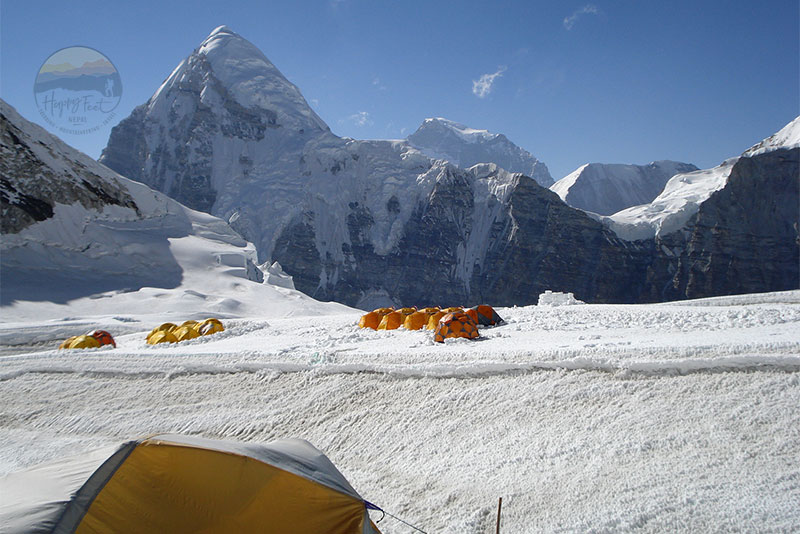
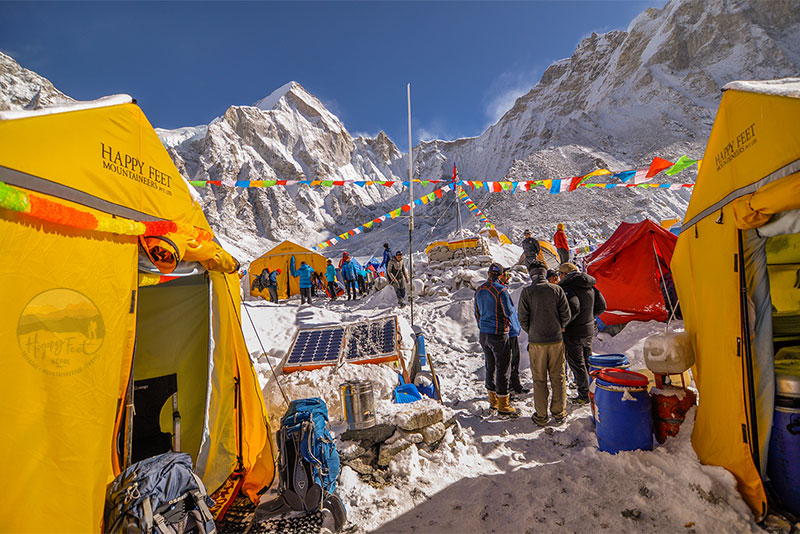
These five days include a busy schedule: health check-ups, puja Ceremonies, meetings, climbing equipment checks, ladder bridge crossings, ladder climbing and descending, and hiking to Pumori Kalapathar to acclimatize and exercise. However, the Puja ceremony at Everest Base Camp is prioritized, allowing the climbing Sherpa guide to start climbing to Camps 2 and 3 to drop off expedition supplies. For the Puja, a monk from Pangboche or a nearby village will be invited to perform a puja ritual to seek blessings from local deities for a peaceful, obstacle-free expedition.

Retrace to Gorakshep and then to Lobuche and fork west to Lobuje Peak Base Camp. As you traverse to Lobuje Peak Base Camp, the scenery toward Lobuche and Dzongla is indescribable. The base camp sits in a small valley opening to the south, offering fantastic views and a warm place to Camp.

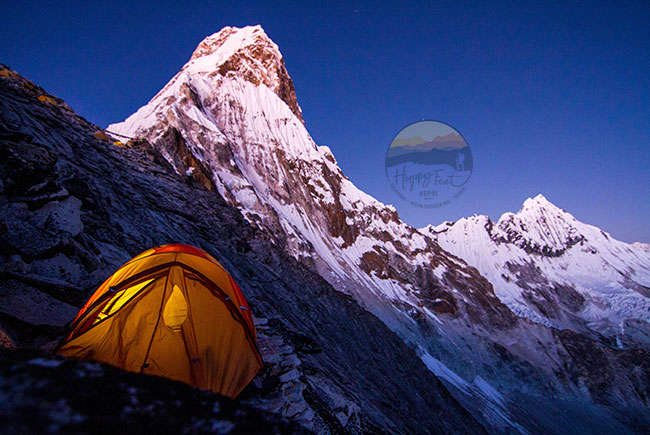
Lobuje Peak, 6,119 meters, is the second-most famous peak, climbed during an Everest Base Camp trek or in an Everest acclimatization climb. The usual route to the high Camp and summit goes up a small valley, continuing from the base camp. The mountain has two summits, East and West, at 6,119 meters and 6,145 meters; the West is an Expedition Peak. After the ascent, descend directly to base camp, where your kitchen crew will be waiting for you with hot, recharging items. Lobuje is an acclimatization climb; therefore, the focus is to sleep at about 6,000 meters and back.

Trek back to Everest BC

Rest at Everest BC

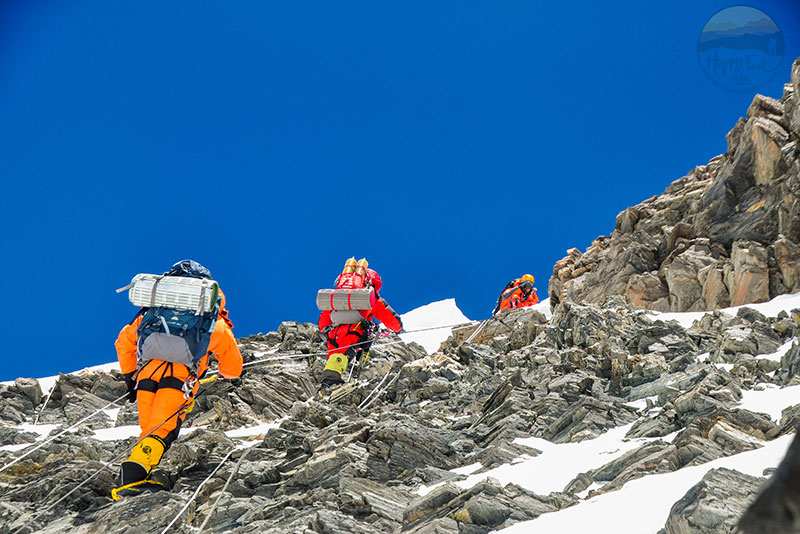
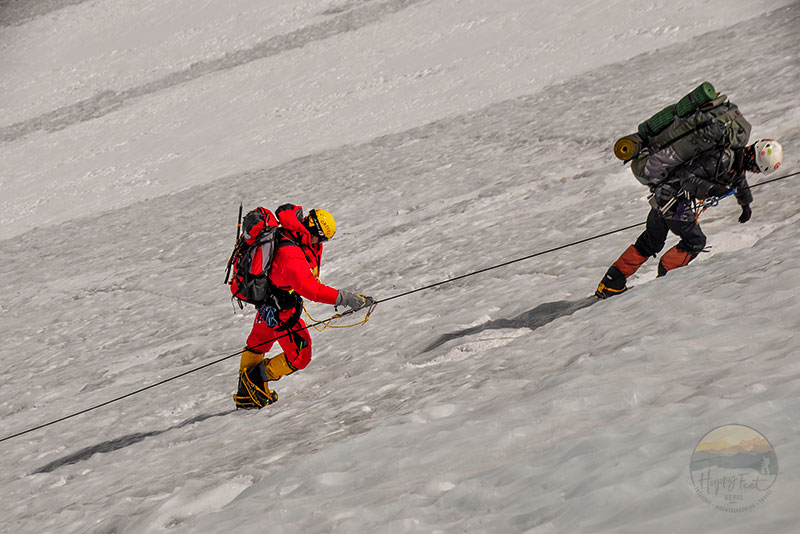
Climb to Everest C1 (6000m). Climb to C2 (6300m). Rest Day at C2. Climb to C3 (7100m) and back to C2. Rest Day at C2. Climb to C3 (7100m). Climb to C4 and back to C2. Back to BC.

Trek to Lobuche for recharging rest.

Four complete rest days to recharge the body. Each member is assigned a comfortable single room. A cook helper will descend to Lobuche to prepare special meals for the members at the rest camp before continuing on Everest, and an open menu is always available for members to choose from.

A two-hour walk to Everest Base Camp. Meet and greet with all staff and other members.

Rest, body check-ups, meet and brief, recheck the equipment list, get information on camps, communication, meals, oxygen, climbing guides, time schedules.

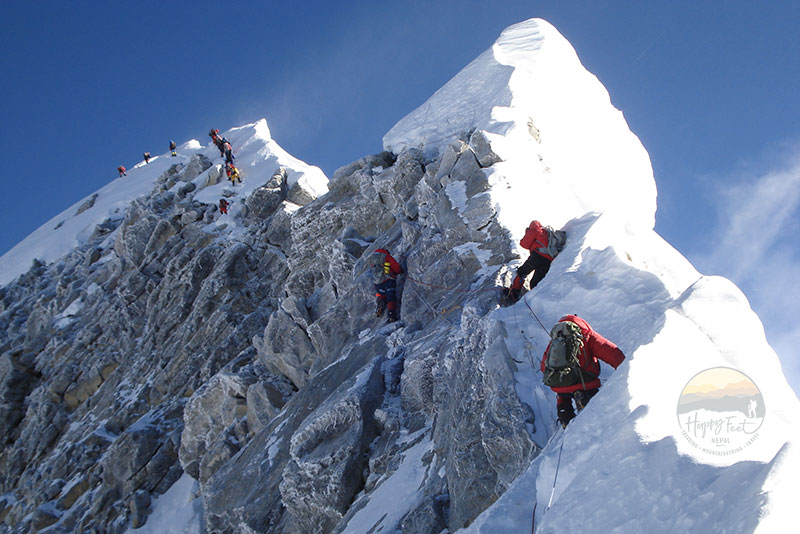
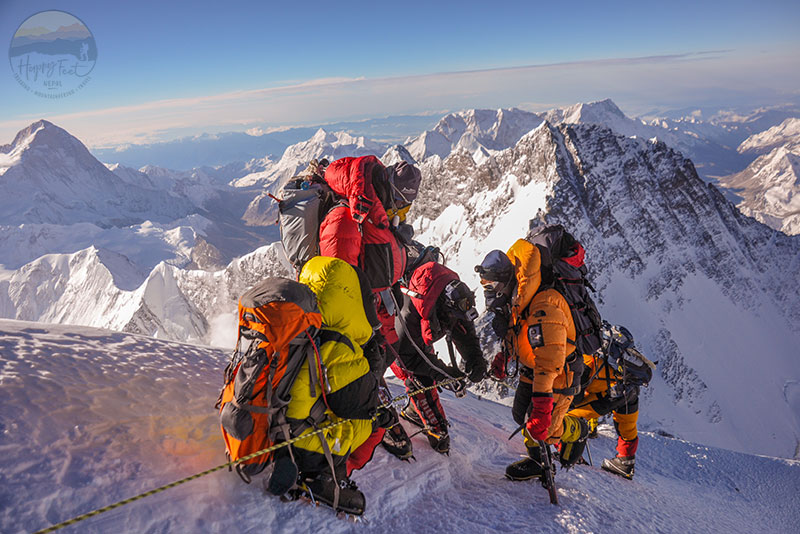
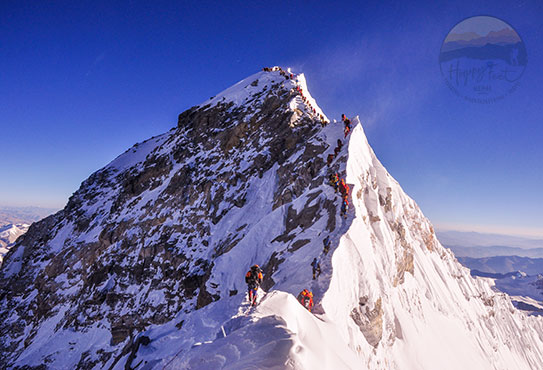
Climb to C2 (6,300m.). Climb to C3 (7100m). Climb to C3 (7,100m.). Climb to C4 (7900m.) and continue to the Everest Summit and return to C4. Return to base camp.

Rest and repack

Farewell with the kitchen Sherpa guides and base camp staff and board a helicopter flight at 11:00 hours to Kathmandu. A short scenic flight takes you to Kathmandu. Upon landing, a Happy Feet Mountaineers representative will welcome you back and transfer you to your hotel. You will be distributed to your rooms, and the rest of the day is free.

Spare days

The expedition team leader must visit the tourism ministry to sign the related document. Other members are free to do their last day activities. The evening gets dedicated to a farewell dinner in one of the celebrative restaurants of Kathmandu.

Breakfast and the rest of the day is leisure on your own. The Representative of Happy Feet Mountaineers arrives at your hotel with transport three hours before your departure flight time. Get escorted from the hotel to the International Departure Terminal; see off formalities, go through the immigration and departure.

Includes

  • Airport pick-up and departure service as per itinerary
  • Four nights of hotel accommodation in Kathmandu, breakfast included (category 5-star hotel)
  • Happy Feet Nepal Trekking Kit Bag for each member
  • Flight Kathmandu – Lukla (by plane or helicopter) all taxes included
  • 8 cylinder of oxygen per member and 4 cylinder per Sherpa with mask and regulator set.
  • Icefall route maintenance fee and above C2 route fixing fee.
  • 1 member 1 Sherpa guide for entire expedition period.
  • Health check-up services at Everest Base Camp.
  • Lobuje or Island Peak climbing permit for Everest acclimatizing expedition.
  • Radio walkie-talkie and satellite phone.
  • Everest climbing Permit, garbage deposit fee and other regional permits.
  • Liaison offices and all his/her expenses, including insurance.
  • High-altitude food in individual pack
  • Butane propane and MSR reactor cooking sets.
  • Base Camp tent; a big tent for individual use, dome tents for above BC on sharing basis.
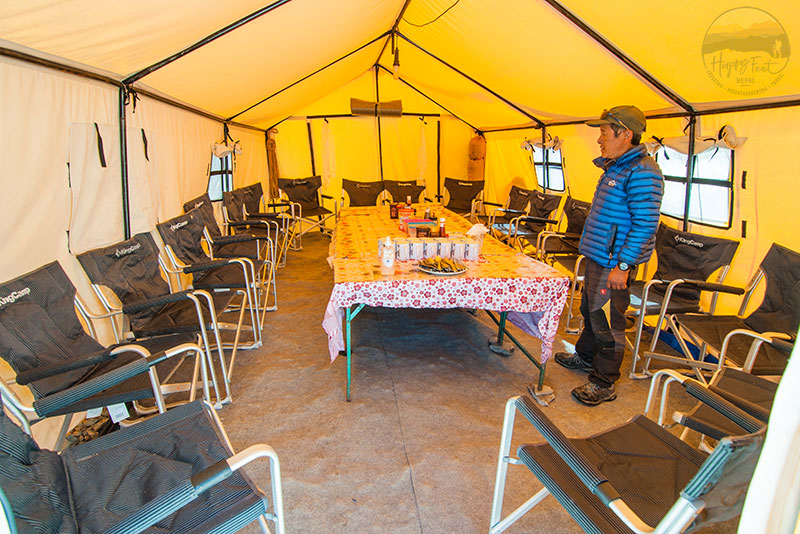
  • Base camp dining with heating system, dining table and chairs.
  • All expedition meals at base camp, Lobuje climbing period and camp-1 get prepared by our own cook and kitchen staff.
  • An emergency first-aid medical kit box + oxygen cylinders with mask and regulator set + a Gamow bag for medicinal purposes.
  • Everest Base Camp to Lukla helicopter service (tax included)
  • Lukla to Kathmandu flight service (tax included)
  • Insurance of climbing Sherpas and Base Camp and Advanced Base Camp staff.
  • Agency’s service charges and taxes

Excludes

  • Travel insurance (helicopter evacuation & emergency hospital treatment) is obligatory.
  • Travel insurance (trip cancellation/interruption eventualities) is not obligatory but at the client’s risk.
  • Nepal entry visa and visa fee (visa can be applied upon arrival at Kathmandu airport)
  • Lunch and dinner in Kathmandu.
  • Personal expenses
  • Alcoholic and bottled beverages during the trek and those not mentioned in the above cost include section.
  • Other charges such as usage of the internet, telephone and laundry services.
  • Summit bonus USD 1,000 per climbing Sherpa, BC and Camp 2 staff tips, etc.

Let us know your Experiences

Subscribe
Notify of
guest
0 Comments
Oldest
Newest Most Voted

Trip Overview

Destination Everes Region
Duration 53 Days
Starts from Kathmandu
Ending Point Kathmandu
Trip Style Climbing
Difficulty Most challenging
Best Time Spring / Autumn
Transportation Vehicle and flightscle
Accommodation Hotels, Lodge & Tent
Max Altitude 8848 m.
Meal BB in Kathmandu FB on trip
Group Size 2 - 12 Pax

Inquiry Form

Customize This Trip
0
Would love your thoughts, please comment.x
()
x