India, Bhutan & Nepal, 38-Day Itinerary
This incredible India, Bhutan & Nepal tour package is a complete cultural tour of India, Bhutan, and Nepal, focusing mainly on India while including the major cultural centers of Bhutan and Nepal.
Introduction
This incredible India, Bhutan & Nepal tour package is a complete cultural tour of India, Bhutan, and Nepal, focusing mainly on India while including the major cultural centers of Bhutan and Nepal. After landing in Delhi, the tour takes you to Varanasi, one of the ancient cities of Asia and an important religious center for both Buddhists and Hindus. Then the tour continues through some of India’s fabled ancient cities such as Khajuraho, Orchha, Agra, Fatehpur Sikri, Jaipur, Bikaner, Dunes of Jaisalmer, Jodhpur, Udaipur, Mumbai, Konark Sun Temple, Bhubaneshwar, Golden Temple in Amritsar, etcetera, all incredible sites, filled with indescribable palaces, temples and monuments, and incredible histories behind them.
Delhi, the starting point of this remarkable journey of three countries, is a city soaked in history that has witnessed the rise and fall of empires. Its historical monuments include some of the best citadels and forts, revealing its glorious past. The ruins of the monuments and historical palaces reflect the rich heritage and culture still present in Delhi. From the Raj Ghat memorial where Mahatma Gandhi was cremated to the great Jama Masjid Mosque built by Shah Jahan, from the bustling streets of Chandni Chowk to the majestic Qutub Minar, a World Heritage Site, Delhi offers a perfect introduction to India’s layered history.
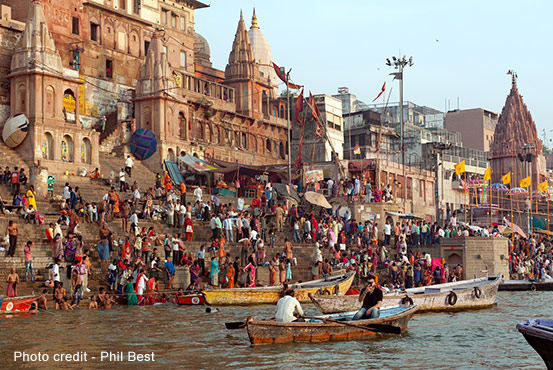
The India, Bhutan & Nepal tour continues to Varanasi, the holy city on the banks of the sacred Ganges River, the holiest city of India, where Hindu pilgrims come to bathe in waters believed to wash away all sins. Also known as Banaras or Kashi, Varanasi has been a center of learning and civilization for more than 2000 years and is considered one of the world’s oldest living cities. Nearby lies Sarnath, one of the foremost Buddhist centers, where Lord Buddha preached his first sermon on the four noble truths, from which he set the motion of the principles of his teaching, the Damma Chakka.
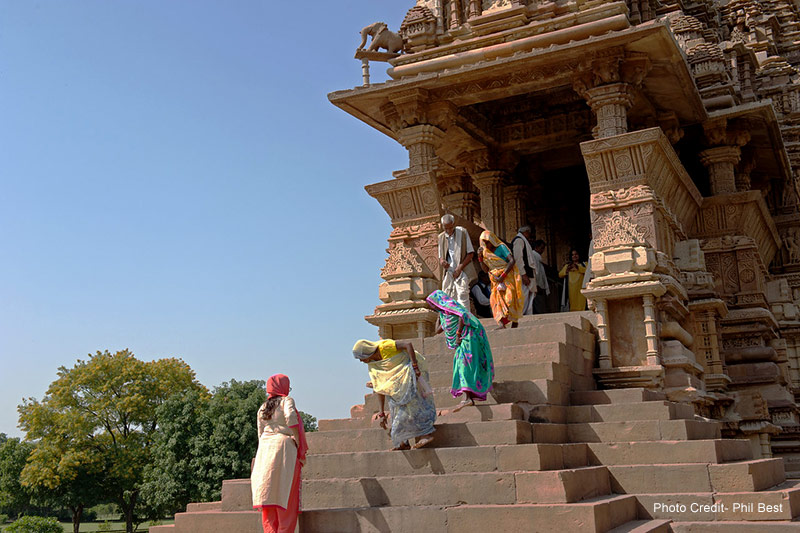
The India, Bhutan & Nepal tour then proceeds to Khajuraho, famous for its magnificent temples, the former capital of the Chandela Kings. Built between 950 A.D. and 1050 A.D., the temples of Khajuraho are among the most exquisite of medieval India, with liberally embellished and exquisitely carved sculptures that have made Khajuraho famous worldwide. The murals depict the realities of the Chandela period and celebrate the erotic state of natural being, testifying to the artisans’ mastery and the Chandelas’ extraordinary breadth of vision.
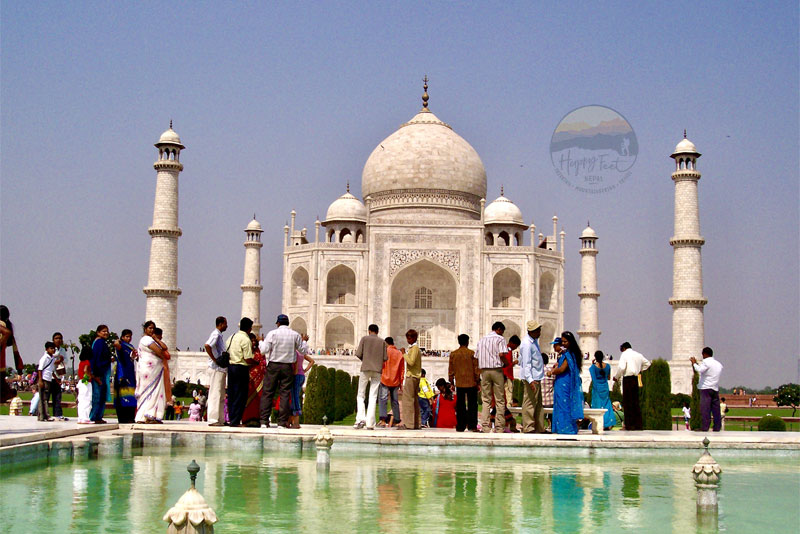
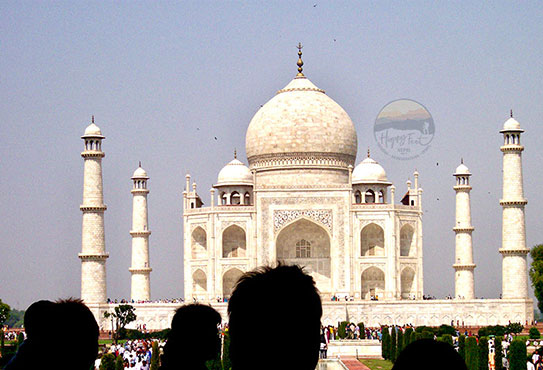
Continuing through Orchha, a wonderful hidden place beside the Betwa River that was once the capital of the Bundelas, the tour reaches Agra, the Mughal city made famous by Emperor Akbar. Here stands the Taj Mahal, one of the world’s most beautiful buildings, called “A dream in marble,” built by Shah Jahan as a memorial to his queen Mumtaz Mahal. The Agra Fort, started by Emperor Akbar in 1565, contains several fascinating buildings, including the Jehangir Palace and the marble Pearl Mosque.
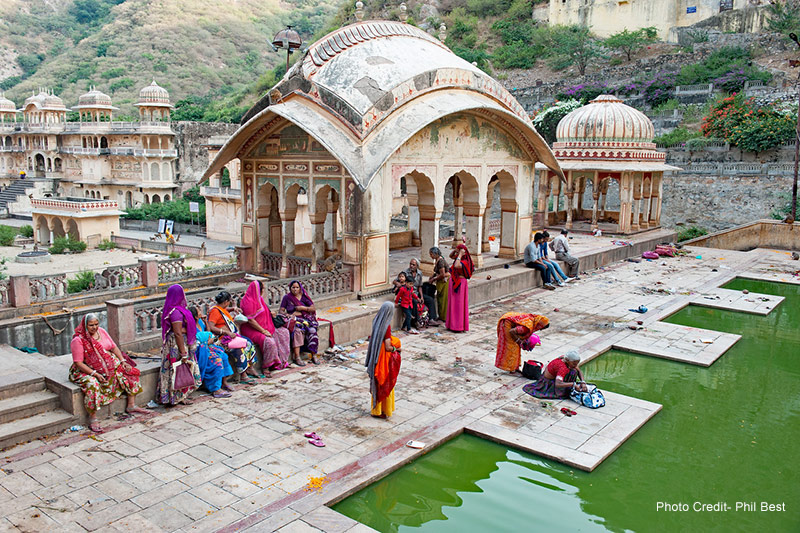
The India, Bhutan & Nepal tour then takes you through Fatehpur Sikri, built by Emperor Akbar out of gratitude for the birth of his son. Then to Jaipur, the Pink City, a living testament to one of the most remarkable rulers of his age, Jai Singh II. The Amber Fort, stunningly situated on a hillside overlooking a lake, the City Palace with its extensive collection of art and miniature paintings, and the astronomical observatory Jantar Mantar make Jaipur an unforgettable destination.
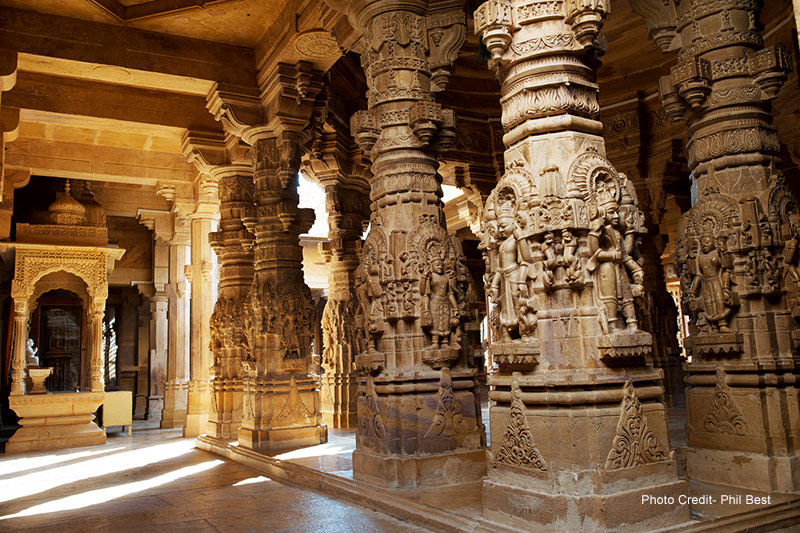
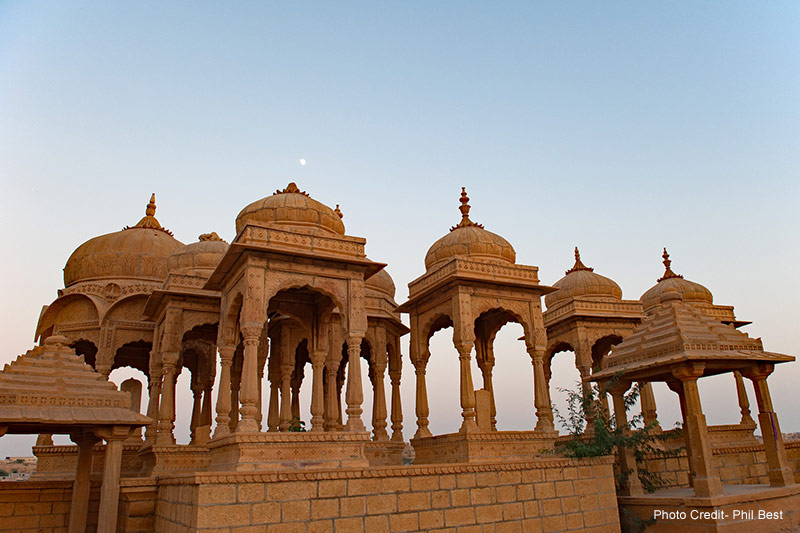
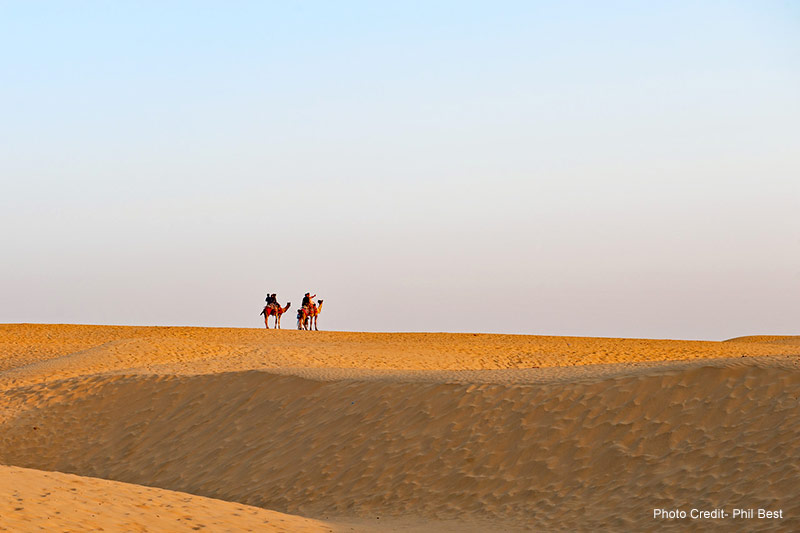
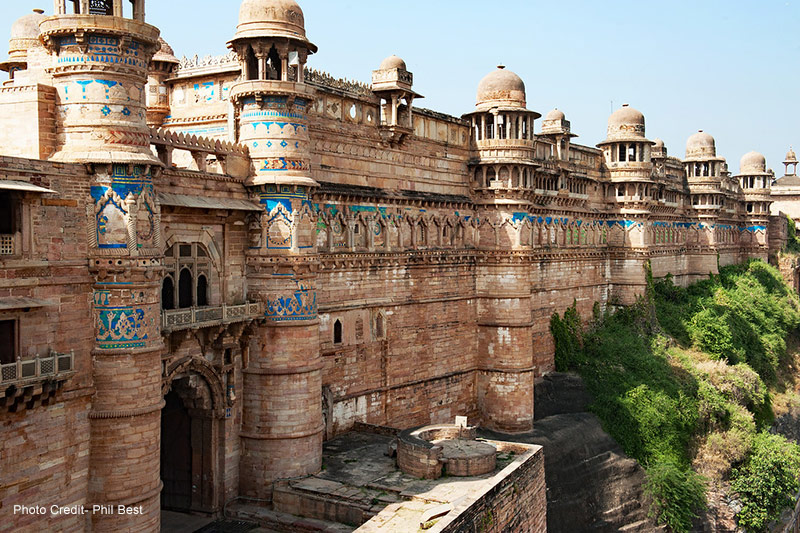
The tour continues to Bikaner, a desert city and part of the ancient caravan route to Central Asia, with its magnificent Junagarh Fort, which contains thirty-seven palaces, pavilions, and temples. Then to Jaisalmer, with its Fort sitting 80 meters high on Trikuta Hill, built by the Rajput ruler Rawal Jaisal in 1156, featuring beautifully sculpted Jain Temples and enchanting havelis intricately carved from sandstone.
Jodhpur, the Blue City set at the edge of the Thar Desert, offers the massive Mehrangarh Fort perched atop a sheer rocky ridge, dominating the surroundings. Founded in 1459 by Rao Jodha, this imperial city echoes with tales of antiquity in the desert’s emptiness. The tour then proceeds to Udaipur, visiting the world-famous Ranakpur Jain Temples en route, with the main Chaumukh Temple having 29 halls supported by 1444 pillars, all distinctly carved and no two alike.
Mumbai, one of India’s most famous bustling metropolises, offers a boat excursion to its renowned Elephanta Island, a 1,200-year-old site dedicated to Lord Shiva, and a city tour covering the High Court, Bombay University, Marine Drive, and Mani Bhavan, where Mahatma Gandhi lived from 1917 to 1934.
The journey continues to Bhubaneswar and Puri, with a full-day excursion to the 13th-century Konark Sun Temple, built by King Narasimhadeva of the Ganga Dynasty. This UNESCO World Heritage site is compared with Khajuraho for its form and features. The tour also covers the temples of Bhubaneswar and the Jain Caves of Khandagiri and Udayagiri.
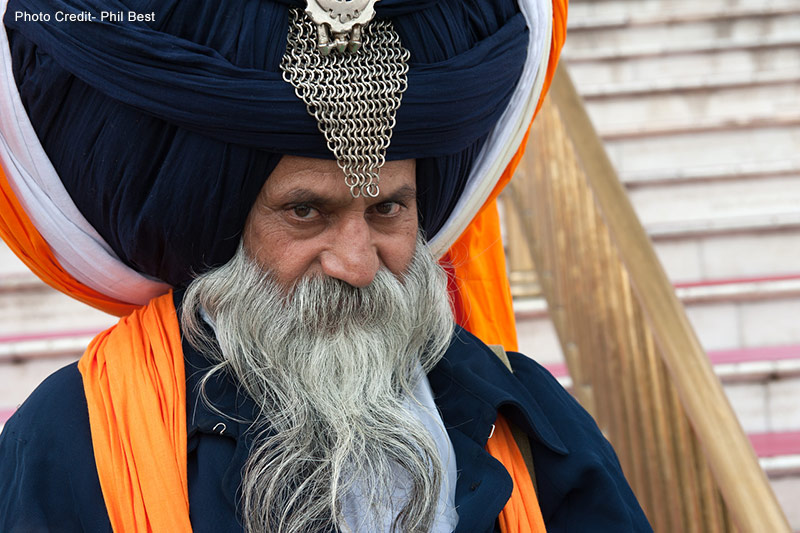
Amritsar, the holy site with the Golden Temple, the most sacred site for Sikhs and a symbol of the strength and magnificence of the Sikh people worldwide, offers a deeply spiritual experience. The Jallianwala Bagh Martyrs’ Memorial and the Wagah Border Flag Retreat Ceremony add historical and patriotic dimensions to the visit.
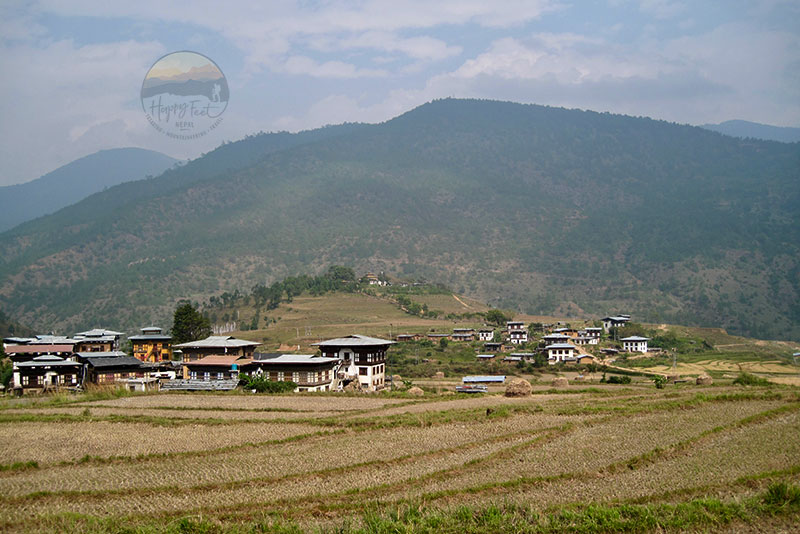
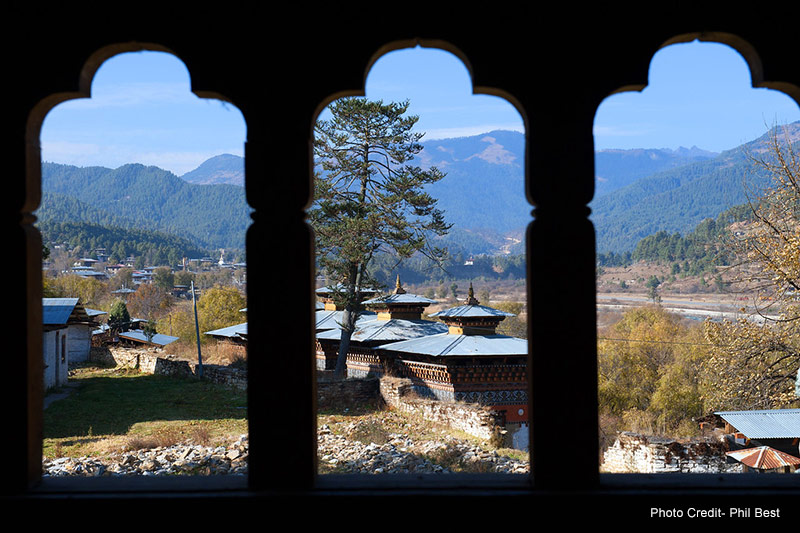
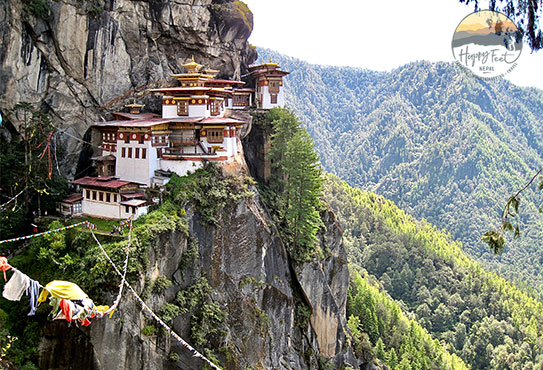
Then India, Bhutan & Nepal tour take a short flight to Bhutan, a great Himalayan kingdom, and spend a few days visiting its monasteries, dzongs, markets, towns, and valleys. Bhutan, perhaps the least modernized and most mysterious country in South Asia, remains very cautious when engaging with the outside world. The government regulates tourist flow and makes strong efforts to preserve and strengthen the country’s religious and cultural traditions. Visit Ta Dzong, the National Museum of Bhutan, and Taktsang Monastery, or Tiger’s Nest, perched precariously on a sheer cliff at 900m high, one of Bhutan’s most popular spiritual sites.
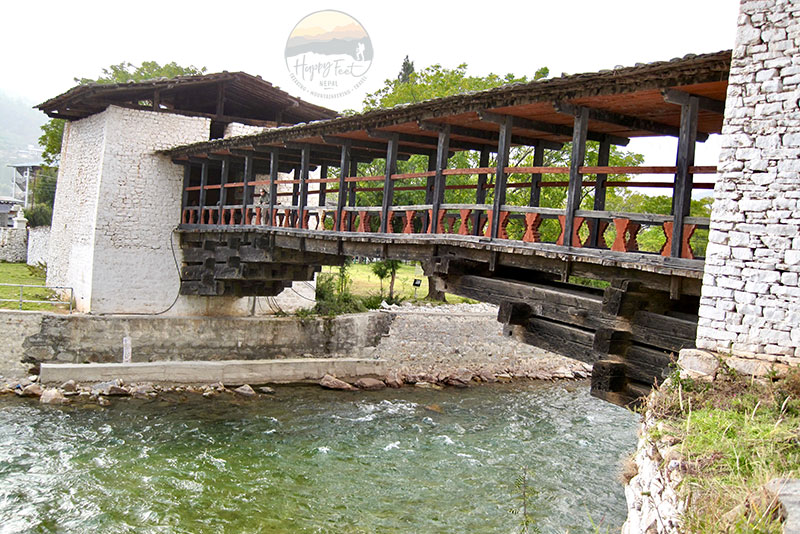
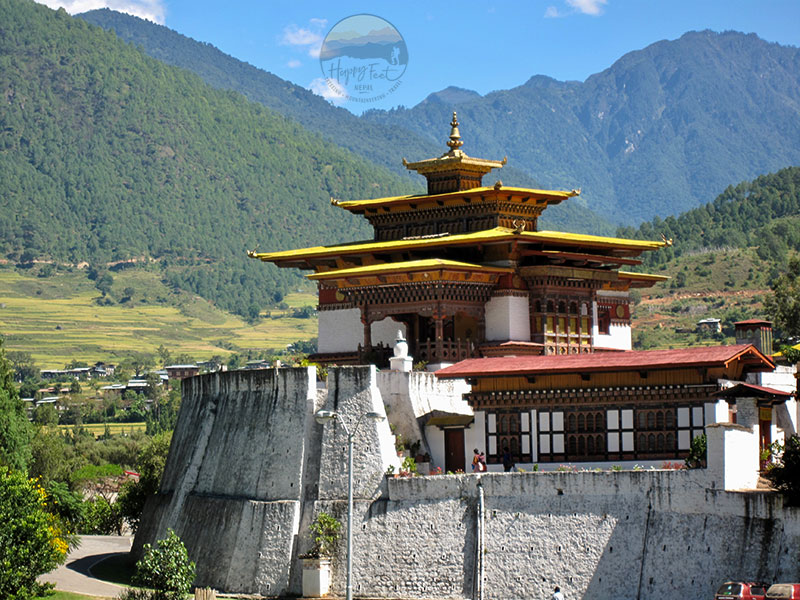
The journey continues through Punakha and Wangduephodrang, crossing Dochula Pass at 3,100m with views of the eastern Himalayan range, and visiting Punakha Dzong, built between two rivers in the 17th century. Thimphu, the modern capital of Bhutan, preserves a national architectural style and offers visits to the Memorial Chorten, Changangkha Monastery, and the petting zoo to see the rare Takin, Bhutan’s national animal.
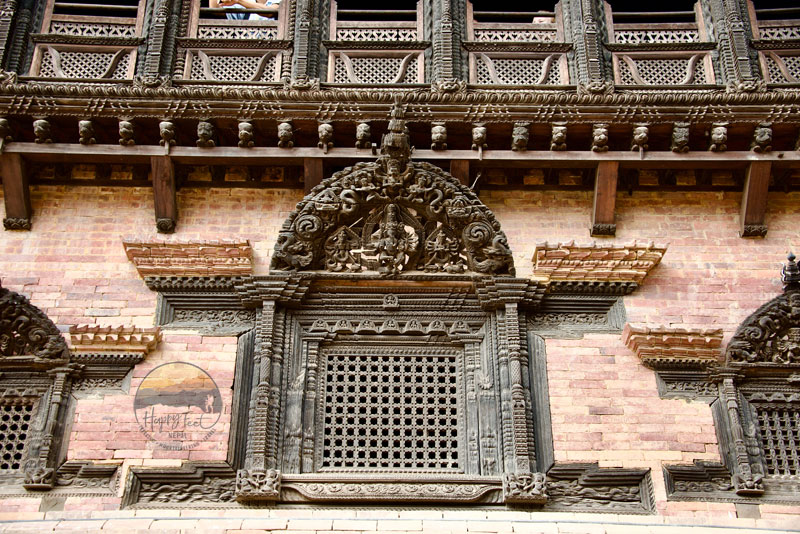
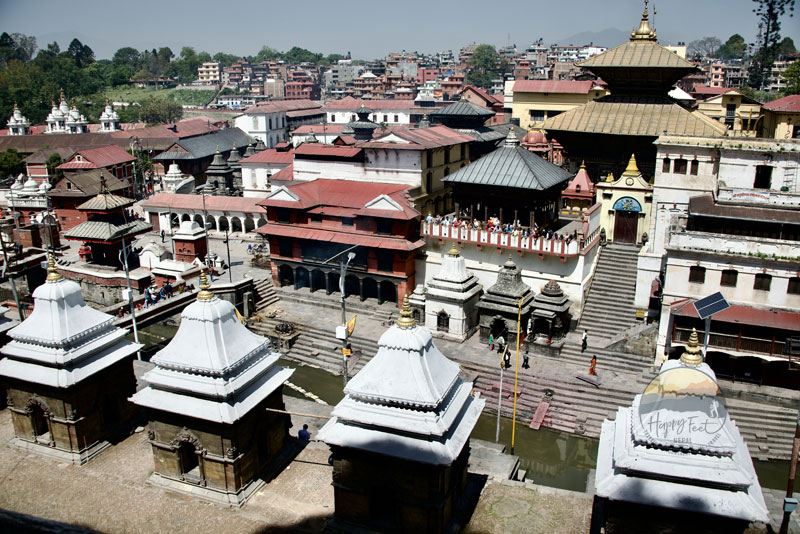
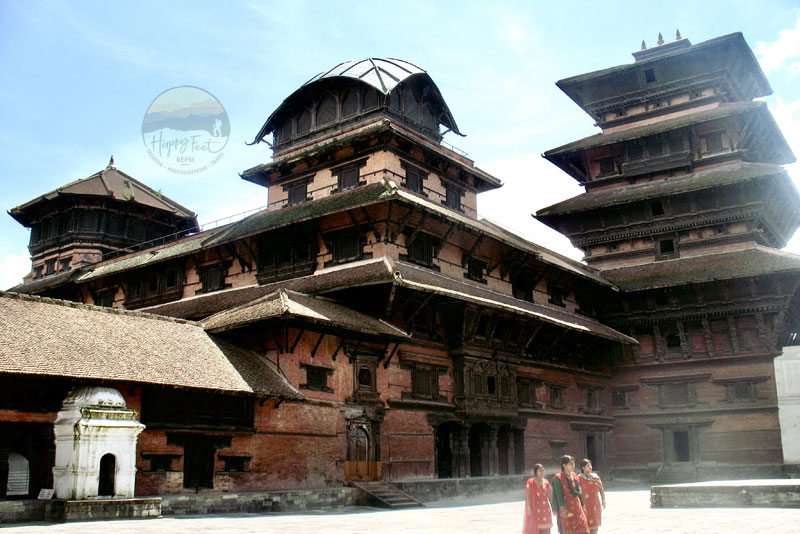
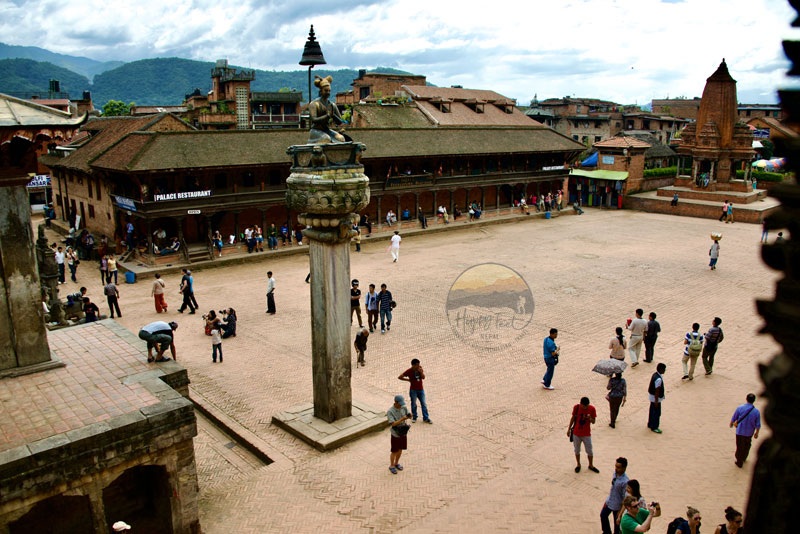
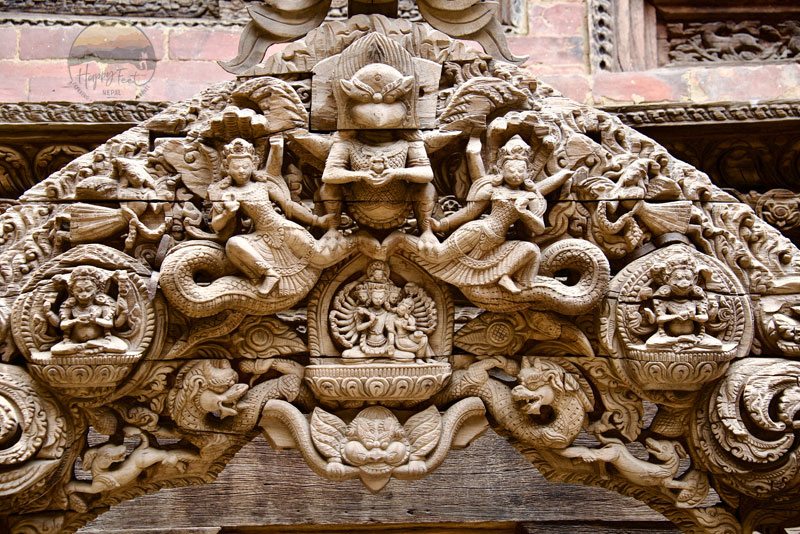
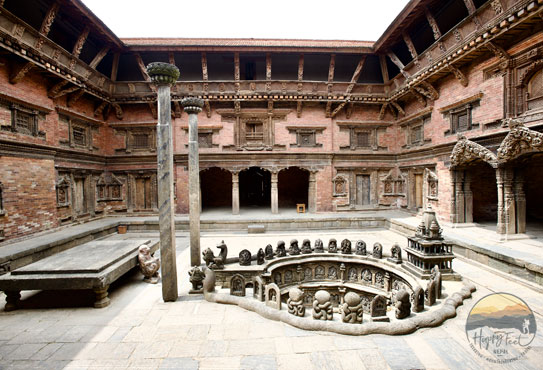
Finally, India, Bhutan & Nepal tour arrive in Kathmandu, Nepal, where the Kathmandu Valley contains seven UNESCO World Heritage sites. Visit Bhaktapur, one of the living museums of the Kathmandu Valley, with its 55-windowed Royal Palace and Nyatapola Temple, the most imposing and tallest such architecture in all of Nepal. Pashupatinath, the holiest site for Hindus worldwide, and Boudhanath, one of the great stupas of the Kathmandu Valley, offer profound spiritual experiences.
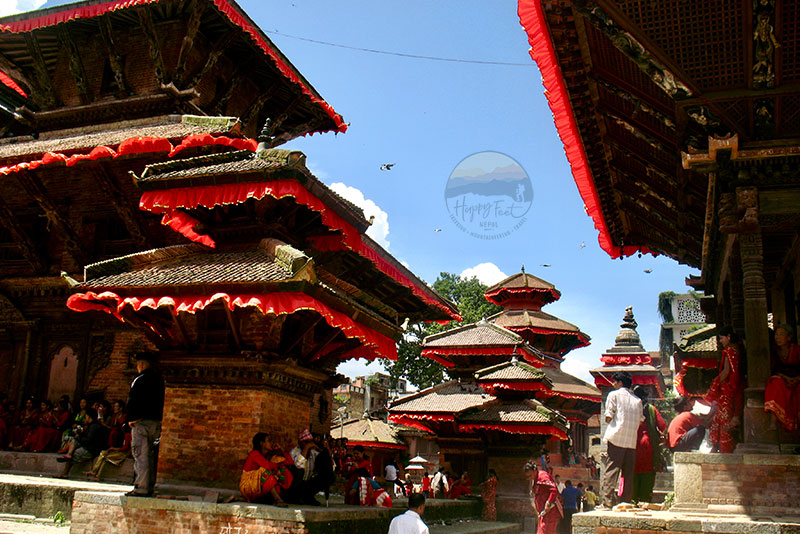
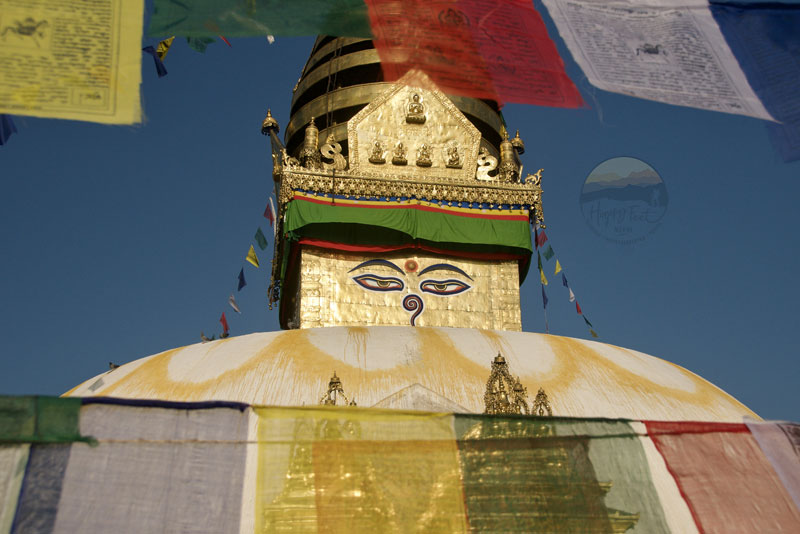
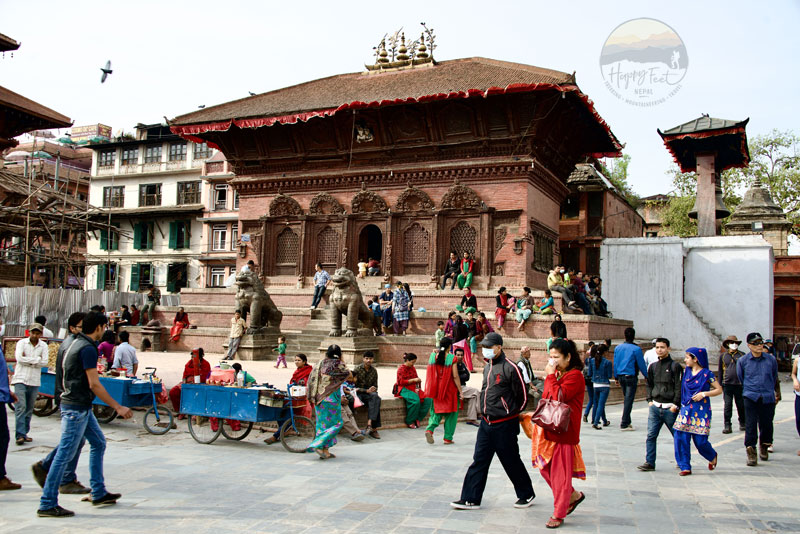
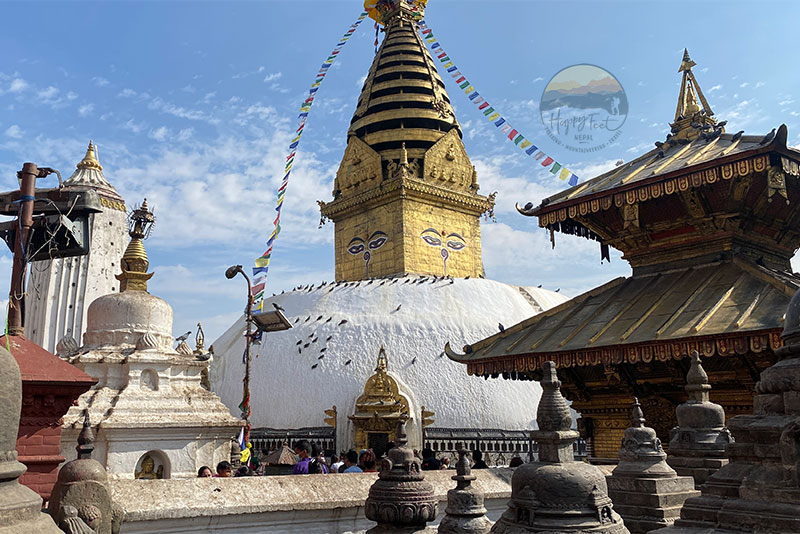
Explore Swayambhunath, the most sacred site for Buddhists with its all-seeing eyes of the Buddha, and Patan, the City of Arts, a renowned Buddhist center in Asia. Kathmandu Durbar Square, an example of Malla-era urban architecture, is home to the living goddess Kumari, and a rickshaw ride through Ason Bazaar offers a glimpse of daily Nepalese life.
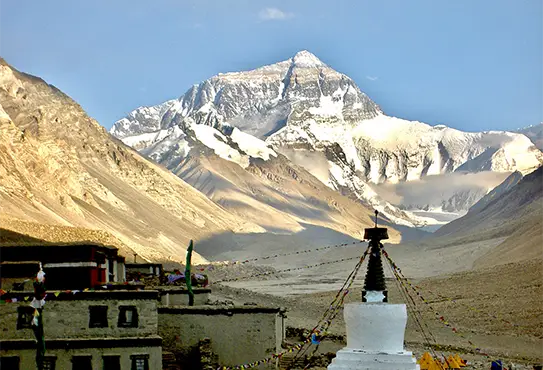
Time flies; to round up the India, Bhutan & Nepal tour, take a panoramic flight over Mount Everest, the tallest mountain on earth, and enjoy 360-degree views of Himalayan peaks, including Manaslu, Ganesh, Langtang, Pumori, Lhotse, Nuptse, and as far as Mt. Makalu and Kanchenjunga in the far east. Your great journey to the Himalayas ends here, with everlasting memories as you’re escorted to Kathmandu airport for loving see-off formalities and board a flight back home!