Seasons:
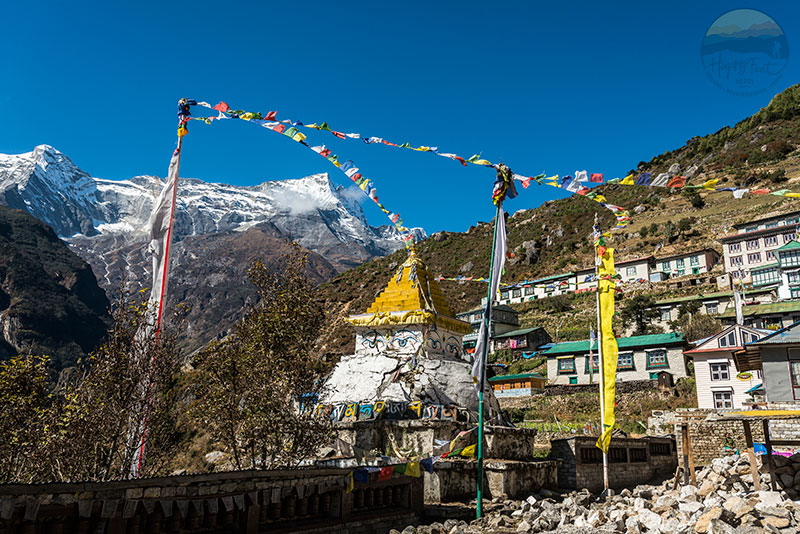
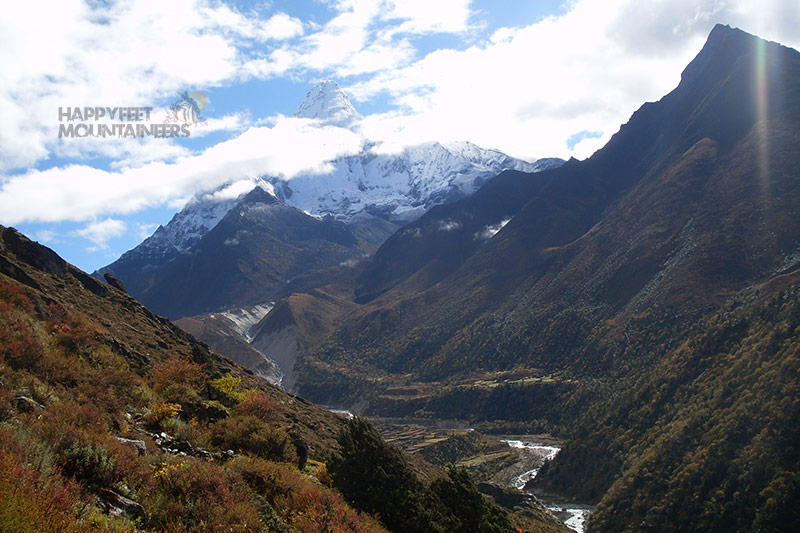
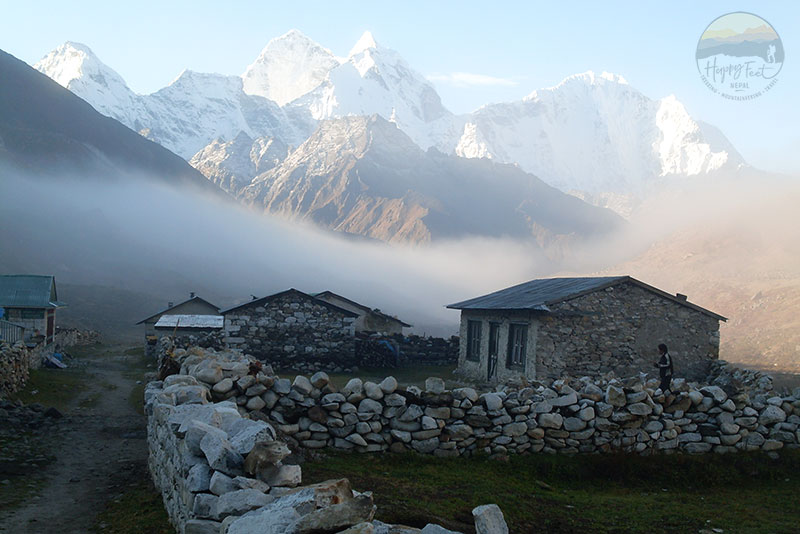
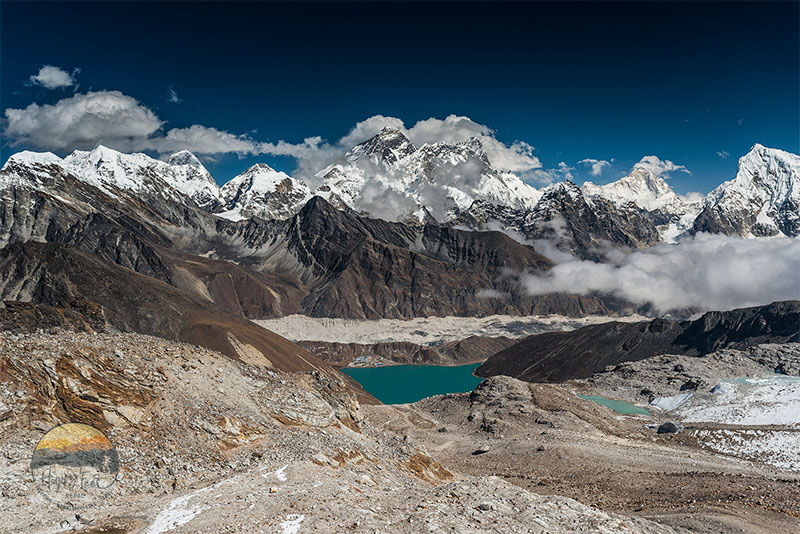
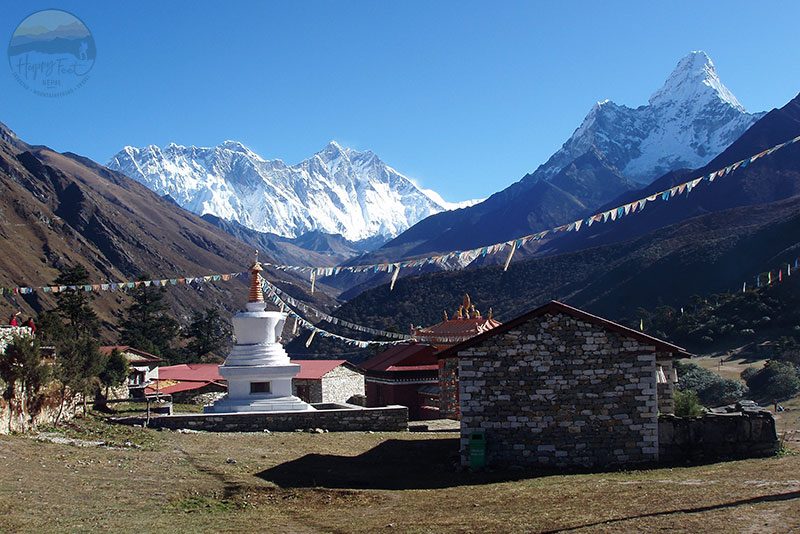
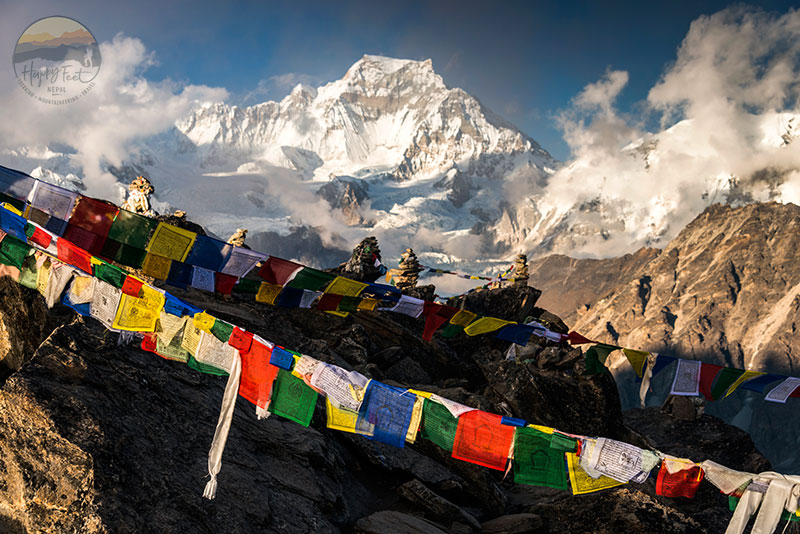
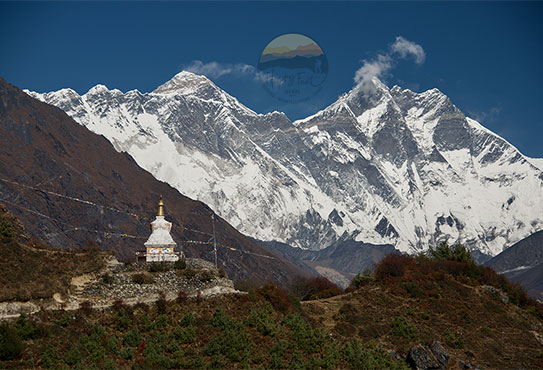
The Spring and the fall are always the best time to trek into the Everest region. However, the fall/autumn season, from the first week of October to the first week of December, is undoubtedly the best time to visit Nepal. The weather remains crystal clear, with breathtaking views of the Himalayas and the landscapes. However, it is colder at high altitudes during both seasons.
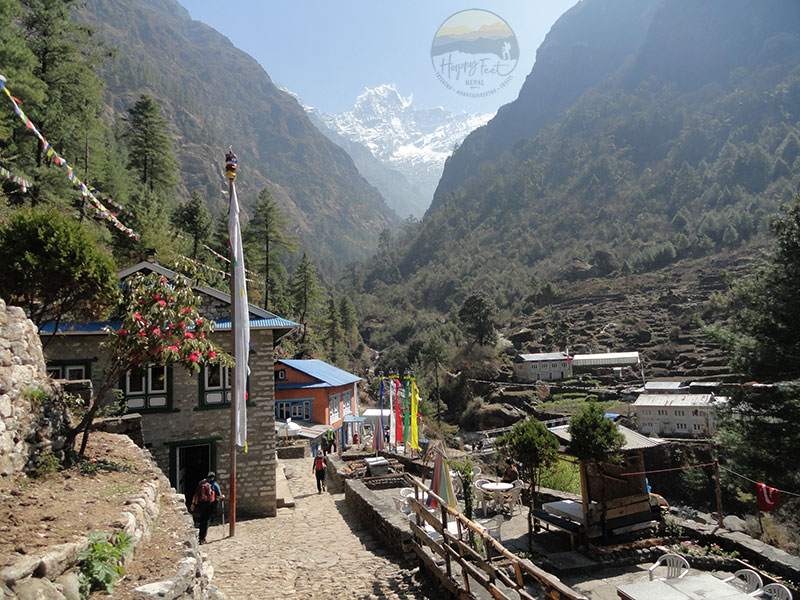
Theoretically, spring is the second-best, but spring is the first-best season for many. Spring is more interesting as the rhododendron and wildflowers blossom in the mid-hill region of Nepal. In the Everest region, you can enjoy the flowering season from March to May in Lukla to Namche, Pungi Tenga, Tengboche, Pangboche, Phortse and Thame to Namche. Though it is time to build up, the monsoon, clouds and rain become more frequent, and the clear day sky remains hazy.
The summer, monsoon time for Nepal, is also a beautiful time to visit the high areas of Chhukung to Everest Basecamp, Dzongla and Gokyo to Thame valleys. The Himalayan bases, rolling alpine meadows, valleys, and hills turn lush green and are carpeted with multi-coloured flowers and beautiful streams during summer.
NOTE: The part of Dingboche remains closed for the visitor during August-September to protect the flowering grass of the valley and cannot include the Kongma La pass in the itinerary, requiring only a slight change to contain everything in it.
From December to February in the Everest region, the winter temperature may drop to -25 degrees from sunset to sunrise and -35 degrees at Everest Base Camp. The daytime temperature remains 0 to 18 degrees (-10 at Everest BC). Therefore, Everest Three Pass Trekking is not recommended during the winter months. The local people of all villages live there year-round, except some elders and people in business travelling to India and Kathmandu for pilgrimage and partly to escape the winter.