About Kanchenjunga Base Camp Trek
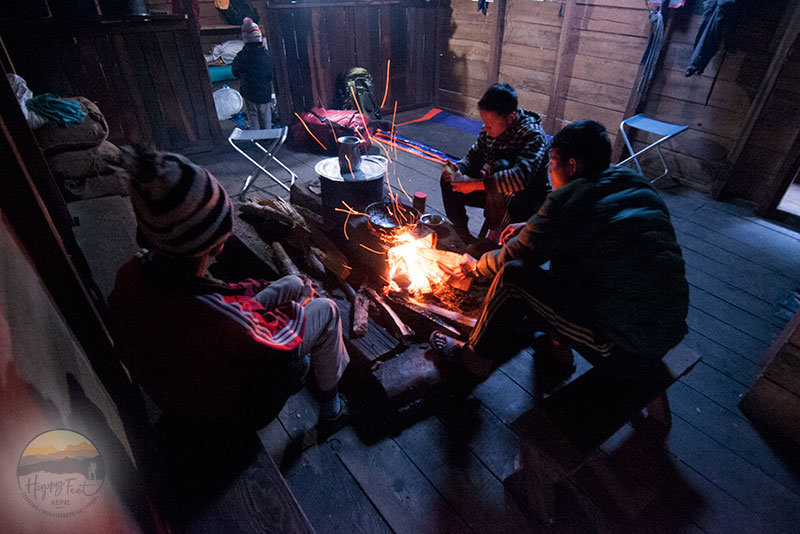
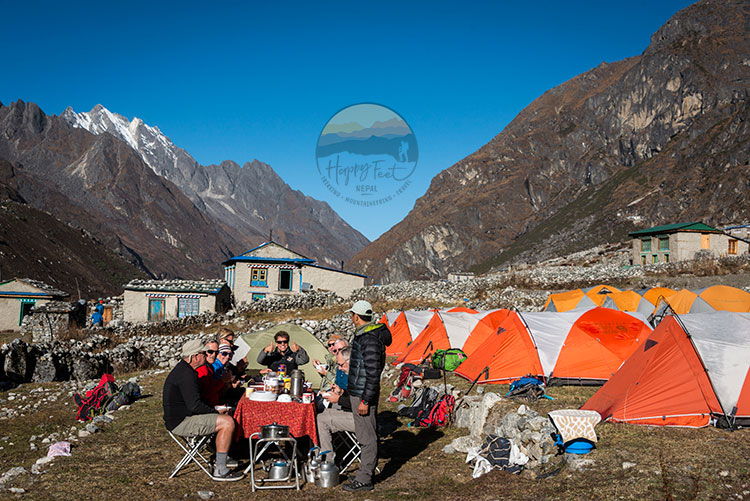
The Kanchenjunga region, at the eastern end of the country, was first opened to organized trekking in 1988. Organized trekking is a tented-camping trekking service managed by a Travel Agency in Nepal. Before that, the only Westerners exploring the area were members of mountaineering expeditions. These days, the Kanchenjunga Base Camp Treks can be done by staying in comfortable Teahouse Lodges throughout the circuit, yet one needs to book through a Travel Agency in Nepal.
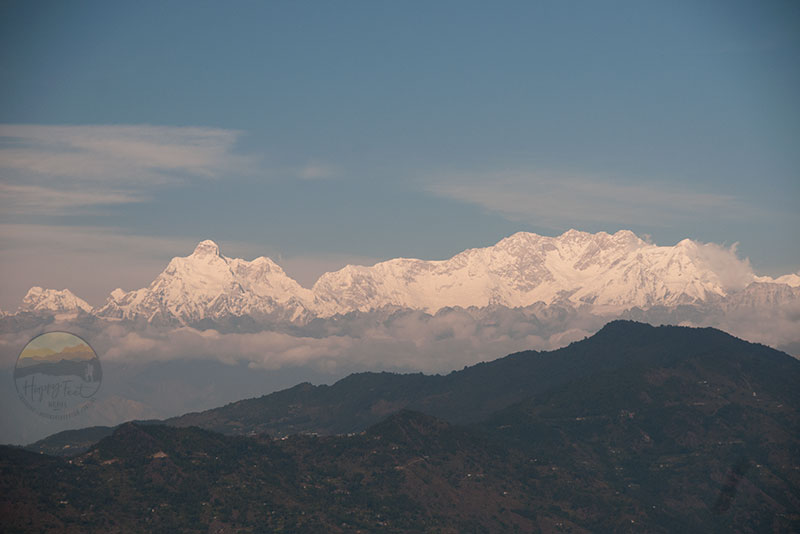
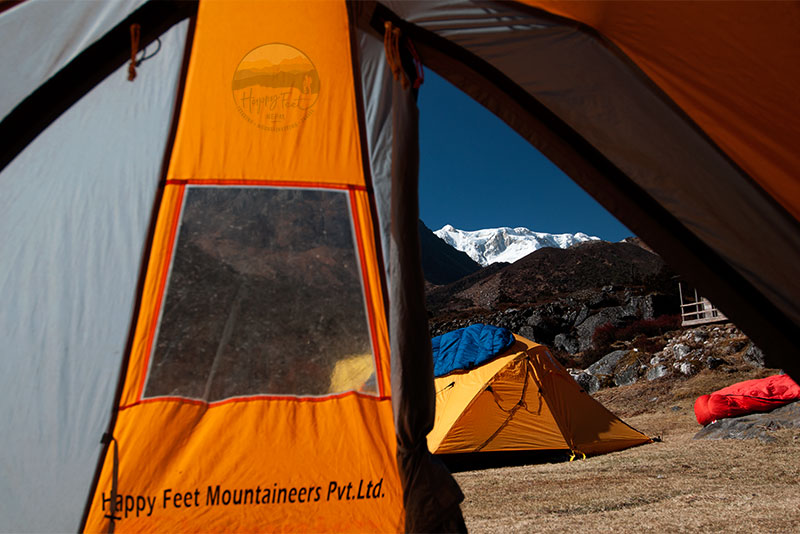
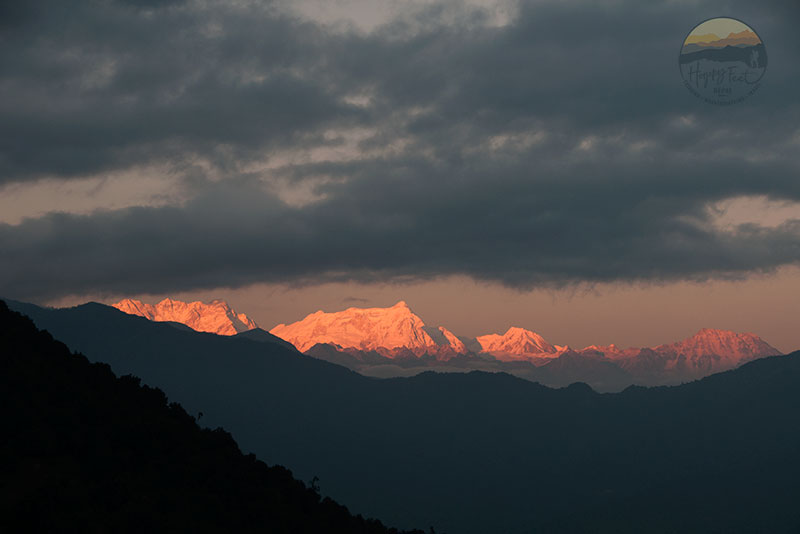
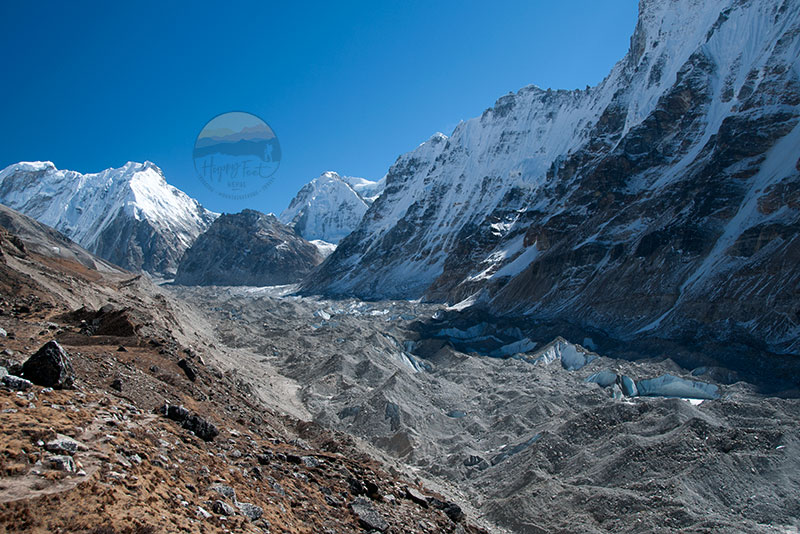
Kanchenjunga means “Five Great Treasuries of the Snow,” though it has seven major summits. Everest and K2 are the only two peaks taller than Kanchenjunga in the World. To the locals, Kanchenjunga, 8585m, the third highest mountain in the World, is the abode of gods who bestow prosperity on their lands. Since locals revere the mountain, mountaineers have a tradition of not standing on the actual summit. Therefore, all successful climbers stopped short of the top to honour the promise made by the British Expedition Team Leader of the first successful attempt in 1955 to the maharaja of Sikkim. However, Aleister Crowley first attempted to climb this mighty mountain in 1905.
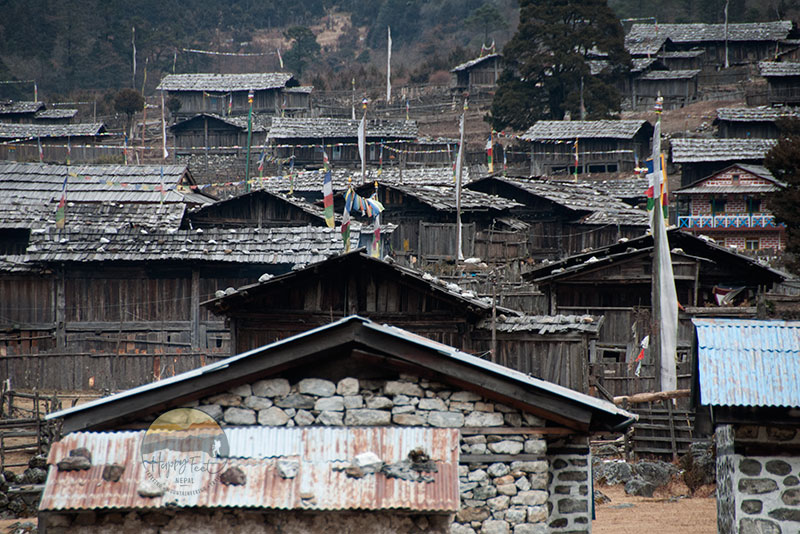
The major ethnic groups inhabiting the Kanchenjunga region are the Limbu, who, along with Rai, belong to the broader Kiranti group. Limbu and Rai people have earned respect as fearless infantrymen -the Gorkhas, in the British and Indian Gorkha regiments. In fact, until some years ago, the only Victoria Cross holder in the British Army was a Limbu. The Limbus speak a language related to Tibetan and follow the Buddhist, Hindu, and animist faiths. The Limbus can be recognized by their caps (topi), which are identical to the national cap of Nepal, but the Limbus cap is taller and more colourful. If you pass through Limbu villages during the first Nepali month, you may witness celebrations, which mainly serve as an excuse for the younger generation to go courting. Community fun time offers great photo opportunities.
The lowland areas are culturally rich but have few mountain views. The more notable contribution of Limbu culture is the millet drink, Tongba, served in a unique wooden Tongba Jar. First, fermented millet seeds are put in a tall wooden jar, and boiling water is added. After 3-4 minutes of rinsing, the local brew is ready to drink with a straw-like bamboo pipe with tiny holes acting as the filter. The hot water is added repeatedly as long as you get a preferable test.
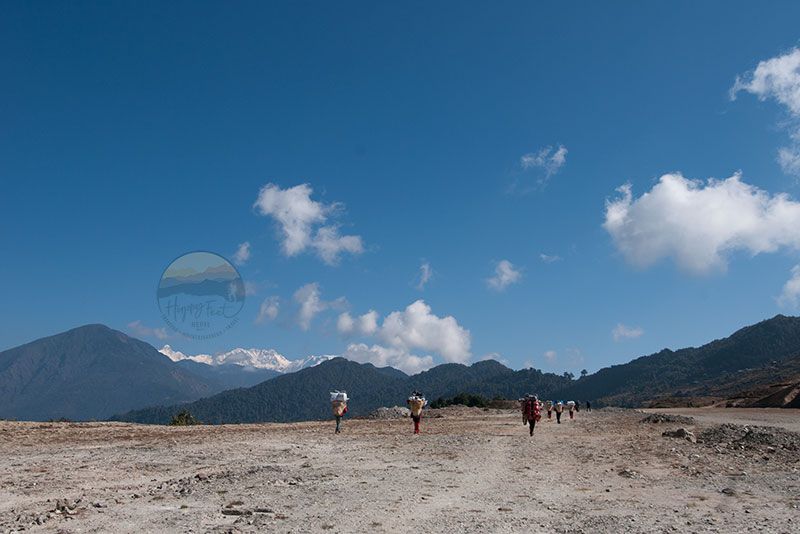
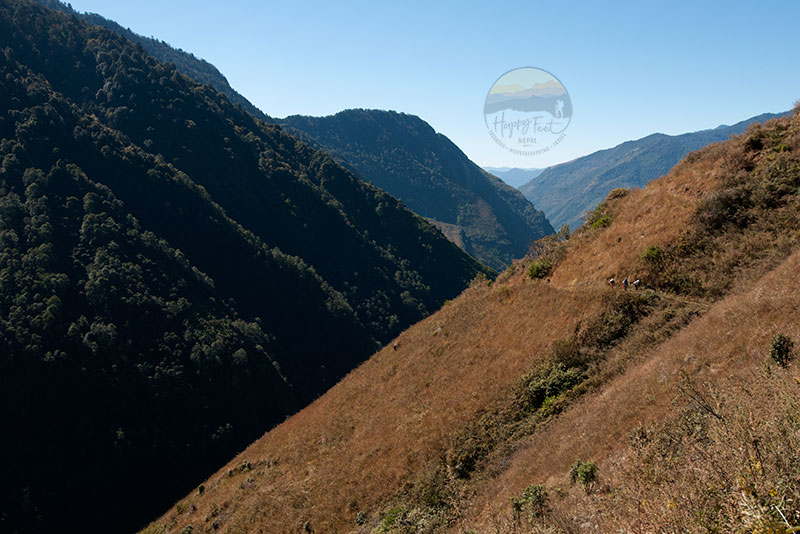
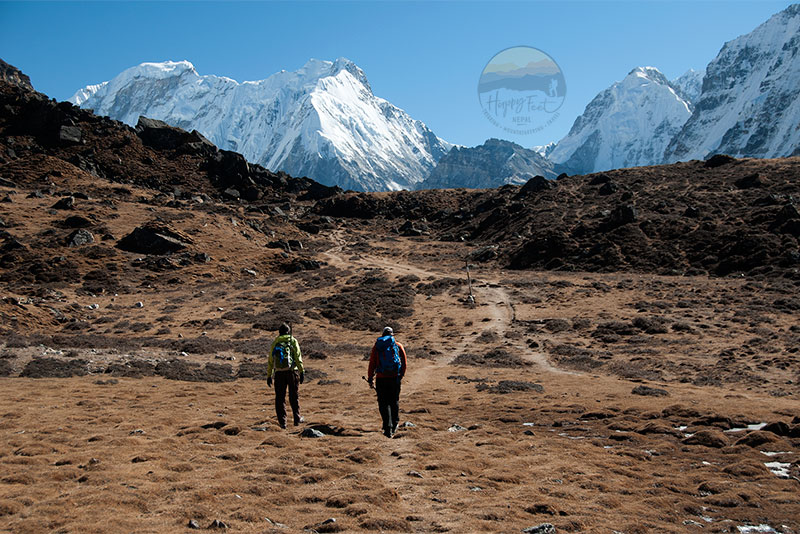
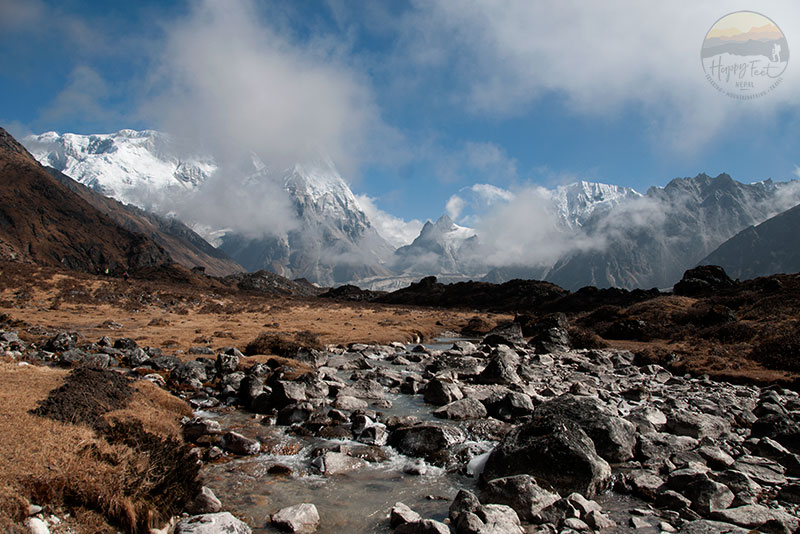
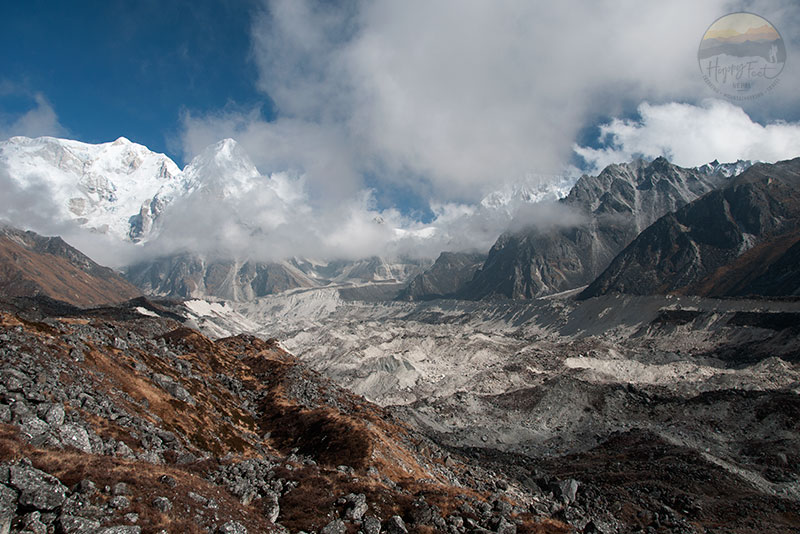
This epic journey requires a flight from Kathmandu to Bhadrapur and a long day drive to Yamphudin, the trekking starting point. Then, this great three-week walking trip takes you through Chauki, Ghunsa, Khambachen, Lhonak, and to Pangpema, 5140m, the north side of Kanchenjunga Base Camp, the climax point of the first part or second part of the trek, depending on the itinerary you are taking. The Kanchenjunga South Base Camp trek starts in Yamphudin and is a two-week trek to reach the Yalung Glacier and return.
An extended or combined itinerary lets us visit the Kanchenjunga South and North base camps. This route takes us through some of the high passes: Selele La (4800 metres), Mirgin La (4663 metres), and Lapsang La (5160 metres) (but this pass is closed due to inaccessibility/trail conditions), adding a bit of adventure to our lives.