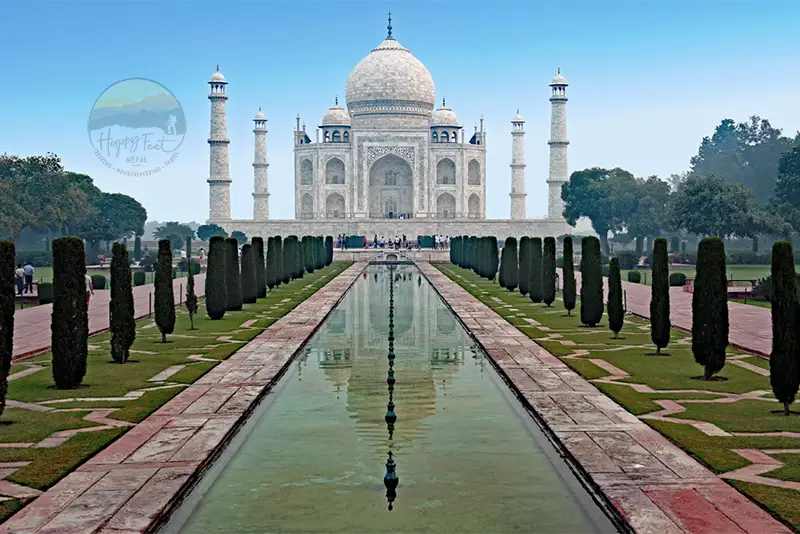
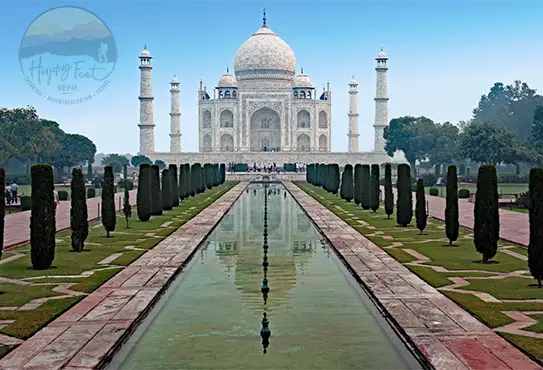
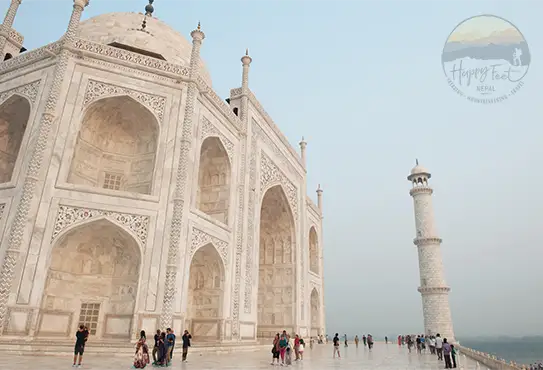
This morning we take a sunrise visit to the main attraction of Agra: The Taj Mahal, one of the world’s most beautiful buildings. Called “A dream in marble,” the Taj Mahal was built by Shah Jah as a memorial to his queen Mumtaz Mahal. Shah Jah built the Taj to enshrine the body of his favourite wife, Mumtaz Mahal (the elect of the palace), who died shortly after the birth of their 14th child in 1631. The Taj Mahal – often described as the most extravagant monument ever built monument of love constructed by 20,000 men from Asia commenced in 1632 and was completed in 1653. The marble used for the memorial was sourced from Makrana, near Jodhpur, and precious stones, including amethyst, malachite, onyx, lapis lazuli, turquoise, jade, crystal, and mother-of-pearl, were imported from Persia, Russia, Afghanistan, Tibet, China, and the Indian Ocean. The Taj Mahal is located at the banks of the river Yamuna, reflecting her in the waters of Yamuna, and you can look at it from nearby Agra Fort.
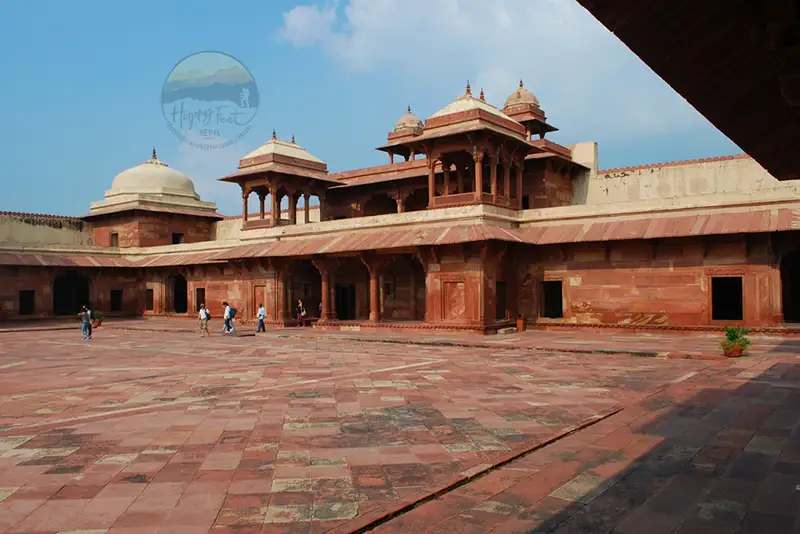
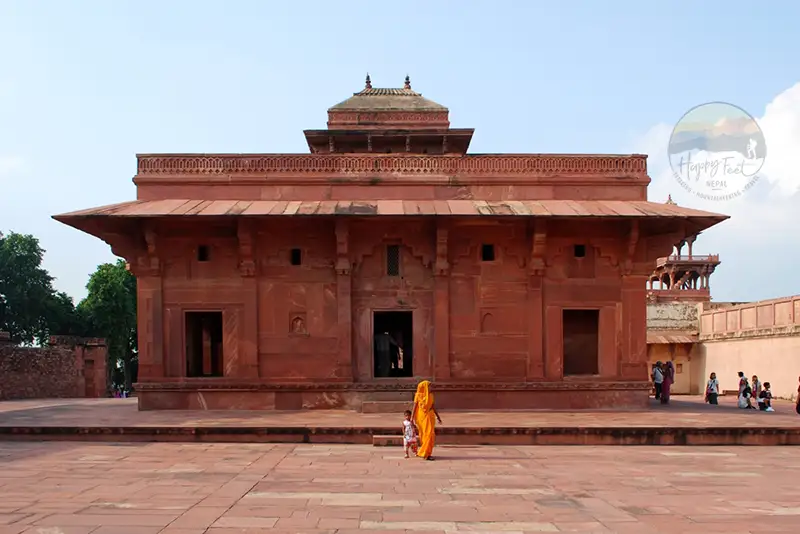
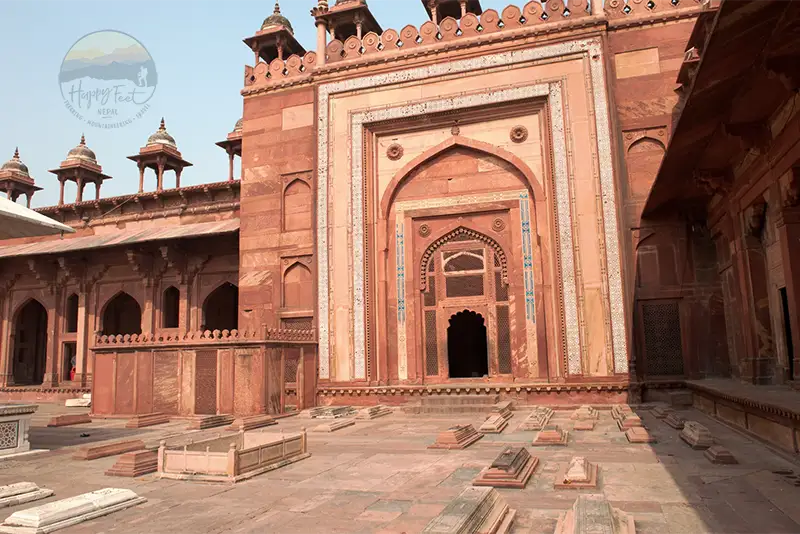
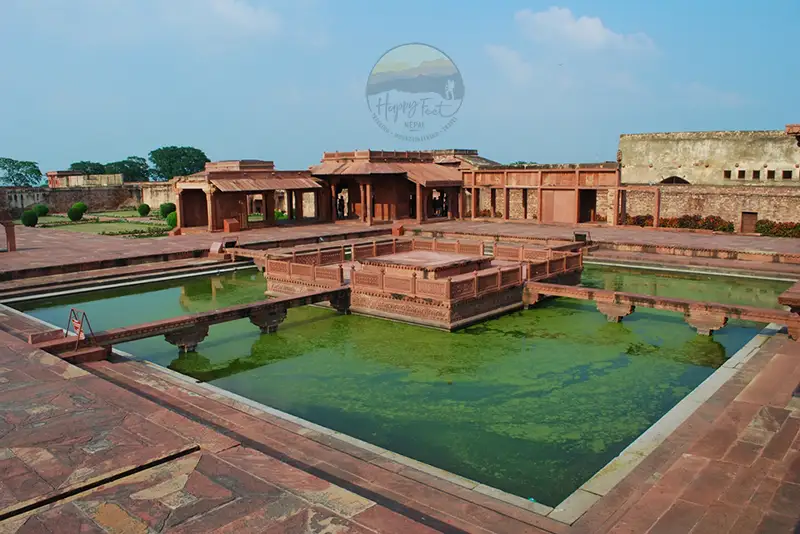
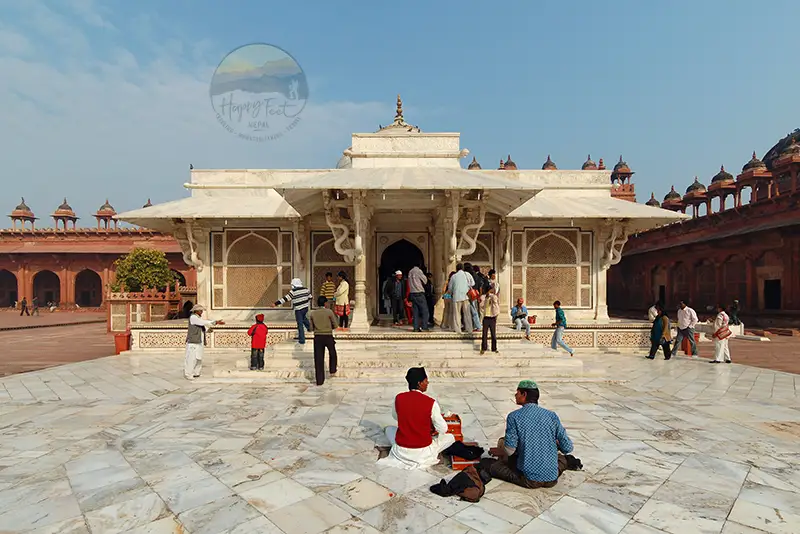
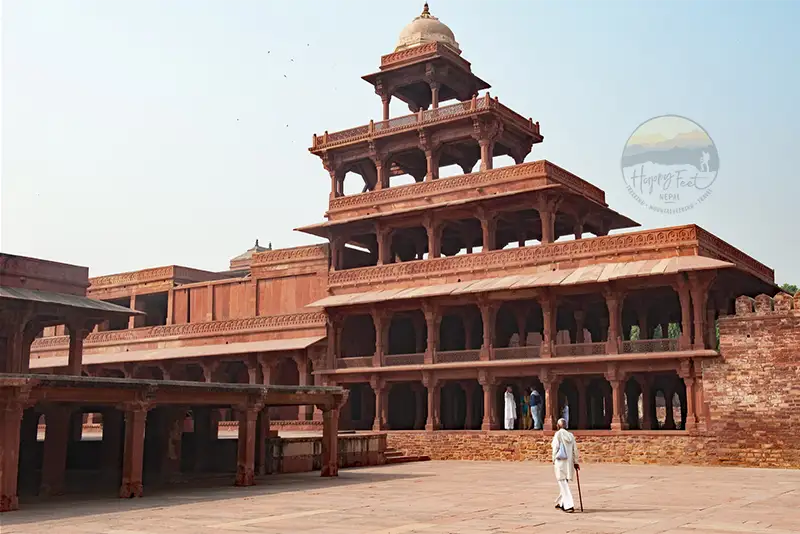
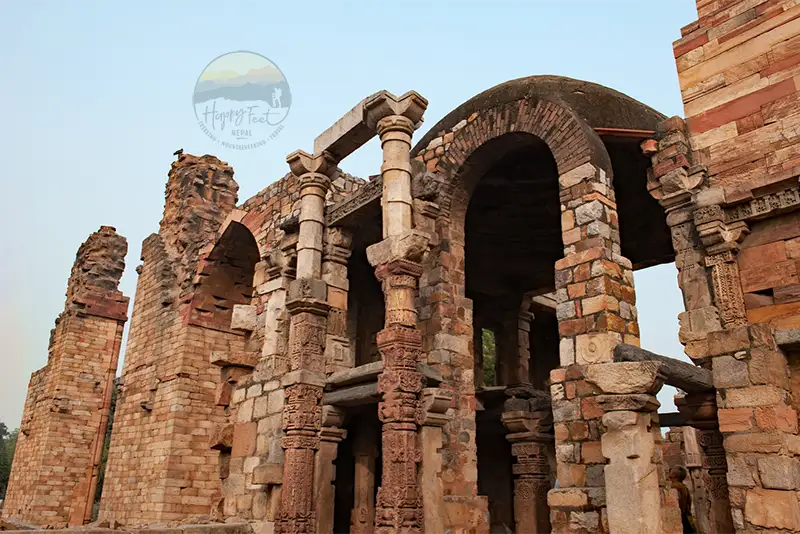
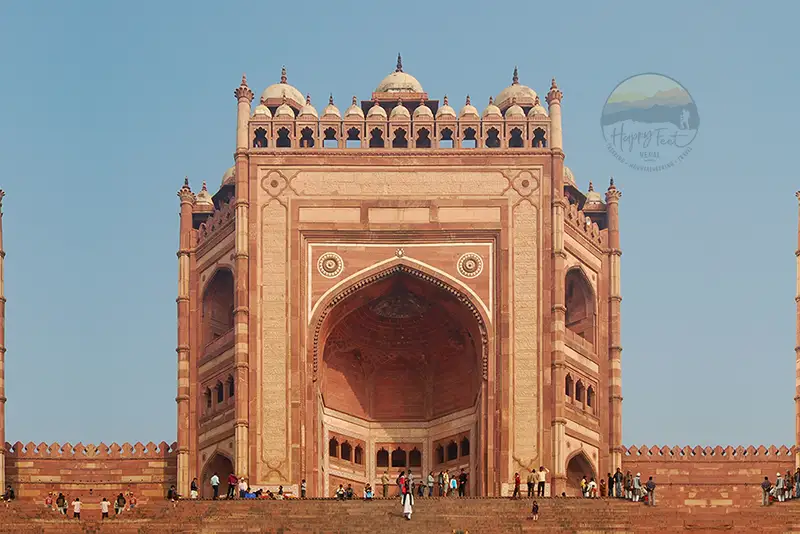
Finalize the visit, return to the hotel for breakfast, and transfer to Jaipur by road. En route, visit the Fatehpur Sikri, built by the 28 Year young Emperor Akbar on a rocky ridge. Unfortunately, Akbar had no son or heir to his vast empire. Desperate for not having an heir, he decided to see a Muslim holy man, Salim Chisti, who blessed Akbar. Therefore, the emperor had a long-awaited son, whom he named Mohamad Salim, in honour of the Muslim saint. Salim would one day take the throne from Jahangir. Akbar was so thrilled that he decided to move his Royal court from Agra to Fatehpur Sikri in gratitude and to affirm faith, hope and joy, where he died in 1569. Fatehpur Sikri stands on a rocky ridge for 2 miles. Walking through the Fatehpur Sikri’s empty palaces, one cannot but be transported back 400 years and visualize the glory and the splendour that must have existed.
After the visit continue your drive to Abhaner and visit without a guide, originally called Abha Nagri, which means “The Shining City”. Abhaner has “Baoris” (stairwells), which are the invention of the natives to collect rainwater. Finalize the visit and continue your drive to Jaipur, known as the Pick City. Arrive at Jaipur and check into your hotel.
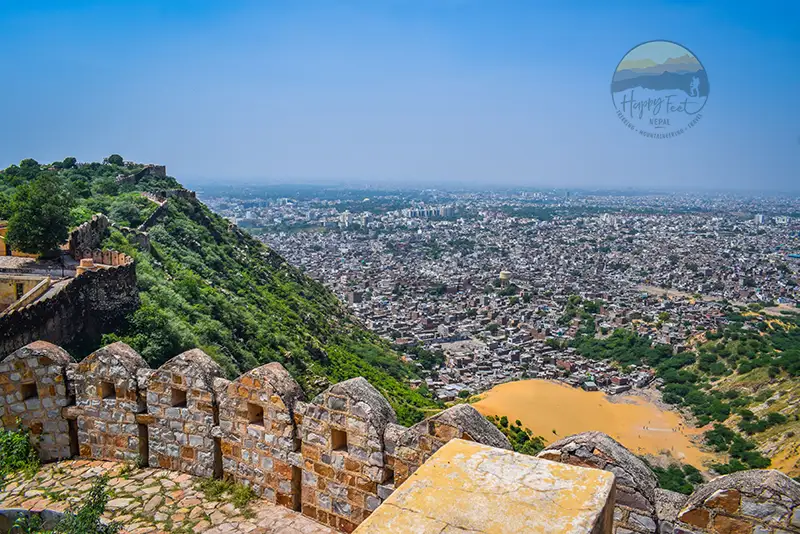
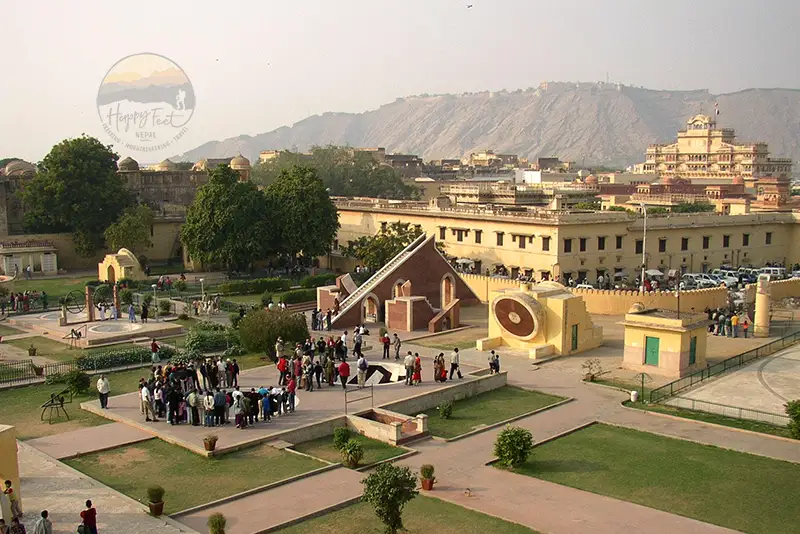
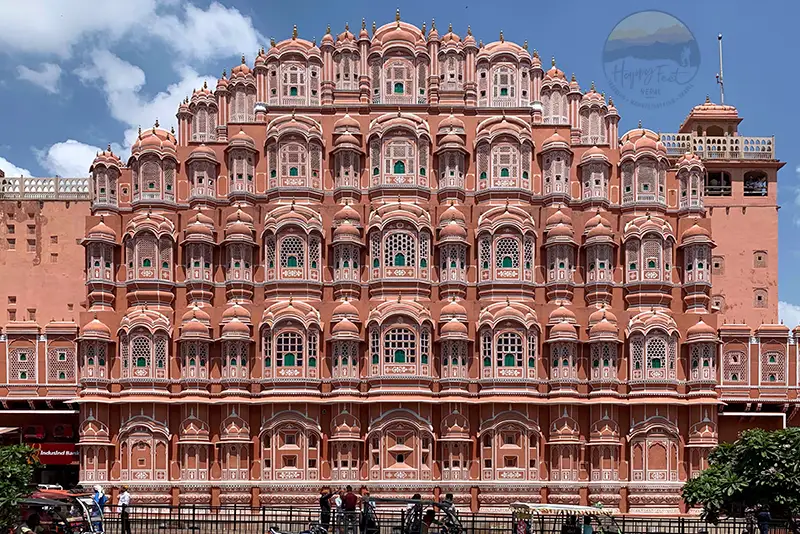
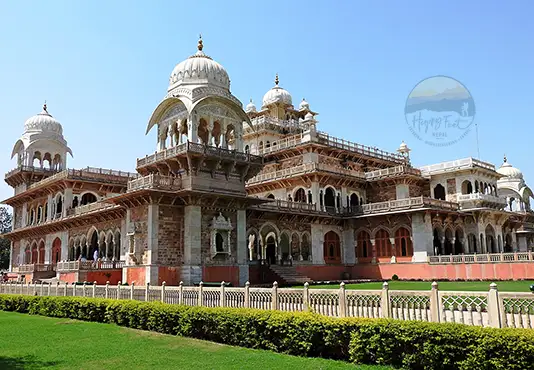
Jaipur, known as the Pick City, the capital of Rajasthan, still seems cradled and well-protected. Jaipur is named after Maharaja Jai Singh, who became King of Amber in the early 1700s at the age of thirteen. Despite his precocious age, he was a distinguished student, adding to his credentials the careers of architecture and astronomy. He designed the new capital with exquisite pink terracotta buildings, which earned it the nickname “Pink City” due to its predominant colours of pink and orange; the sunset effect is magical.
For the rest of the afternoon, you can explore the city and visit the local market without a guide.