Best of Nepal tour and Jungle Safari, 13 days
Kathmandu valley, Pokhara, Tansen, Lumbini, Chitwan and sightseeing of Mount Everest

Guided Tour of Nepal visiting six World Heritage Sites by UNESCO into Kathmandu valley. Visit Pokhara, in front of the Annapurna massif. Visit Tansen and Lumbini, the sacred-most site where Kakusandha Buddha, Kanakamuni Buddha, Kassapa Buddha, and Siddhartha Gautama Buddha were born. And safari in the Chitwan National Park, listed as World Heritage Site by UNESCO, Asia’s most important Natural Park. And fly over Mount Everest to see the entire Himalayan Range.

About Best of Nepal Tour

This earnestly crafted 13-day best-of-Nepal cultural tour and Safari itinerary offers an exclusive journey through the cultural heart and natural splendour of Nepal. Your amazing journey begins in Kathmandu, a vibrant city where ancient myths resonate within its bustling medieval towns. As a historical and spiritual nexus, the Kathmandu Valley is filled with seven UNESCO World Heritage Sites, known as open-air museums, which you will explore through its sacred stupas, ornate palace squares, and living traditions.

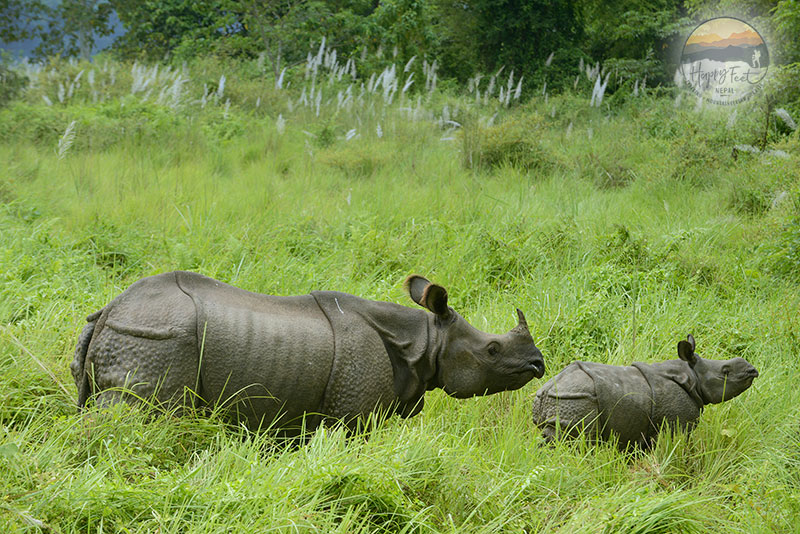
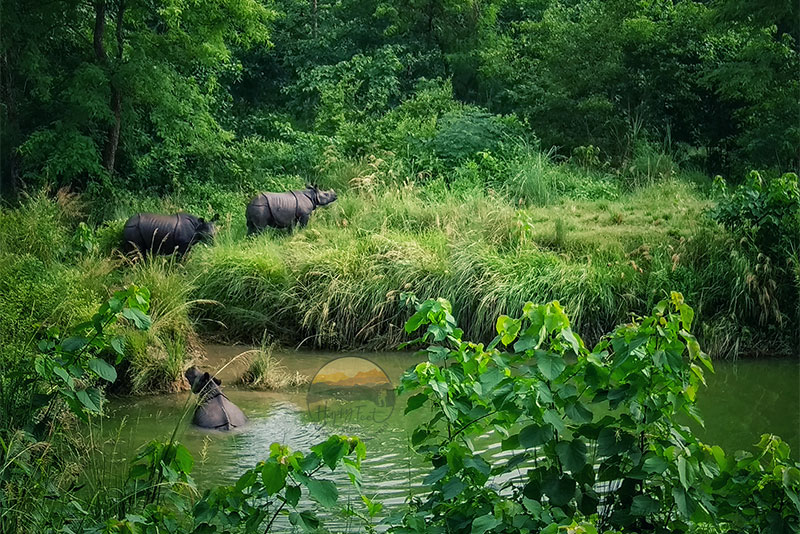
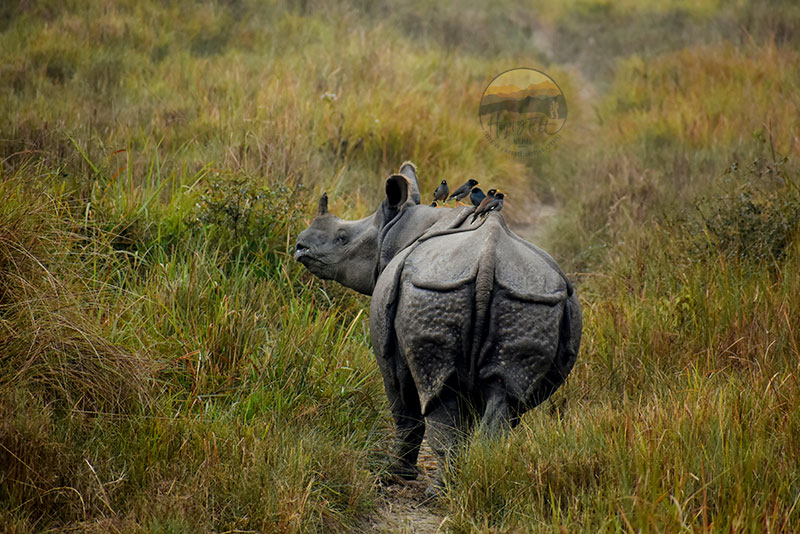
The earnestly crafted itinerary unfolds with breathtaking Himalayan vistas from Nagarkot, then continues to the serene lakeside city of Pokhara, framed by the majestic Annapurna range. In Pokhara, peace pagodas and mountain museums offer deep insight into the soul of the Himalayas and the entire country of Nepal. The best-of-Nepal Tour itinerary then enters the spiritual birthplace of Lord Buddha in Lumbini, a sanctuary of profound tranquillity and a pure land for all beings, before venturing into the wild expanse of Chitwan National Park, a natural reserve listed in the UNESCO World Heritage Site. In Chitwan, encounter a rich tapestry of wildlife, including the iconic one-horned rhinoceros, from elephant-back and jungle jeeps.

This 13-day best-of-Nepal cultural tour and Safari itinerary experience is a harmonious blend of cultural encounters, spiritual sensations, and natural wonder, designed to reveal the incredible diversity and enduring beauty of Nepal from its towering peaks to its lush, wildlife-rich plains.

Arrive in Kathmandu, clear customs and immigration formalities, and claim your baggage, which takes some time. Upon arrival, receive a traditional welcome from a Happy Feet Mountaineers representative, then transfer to the hotel. Arrive at the hotel, and the rest of the day is free, with optional excursions (not included), or you can ask to organize any of the tours or stroll through its vibrant streets.

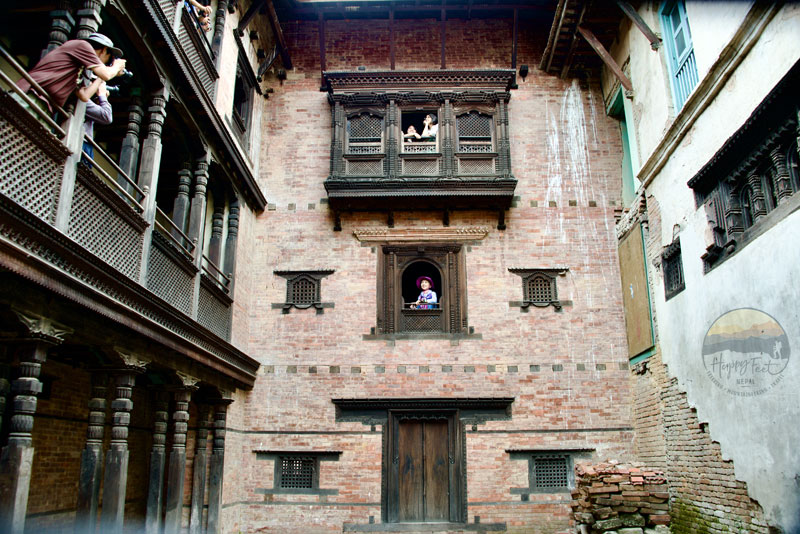
Kathmandu, the capital and heart of the country, is home to three medieval cities that symbolize everything in Nepal. Having lived through several Buddhist and Hindu ruling dynasties, the culture and society of Kathmandu Valley have evolved to give it more than just a unique feature. Today, it is an urban city, still rapidly growing, with its ancient myths and testimony to the greatness of the people who have lived there for time immemorial.

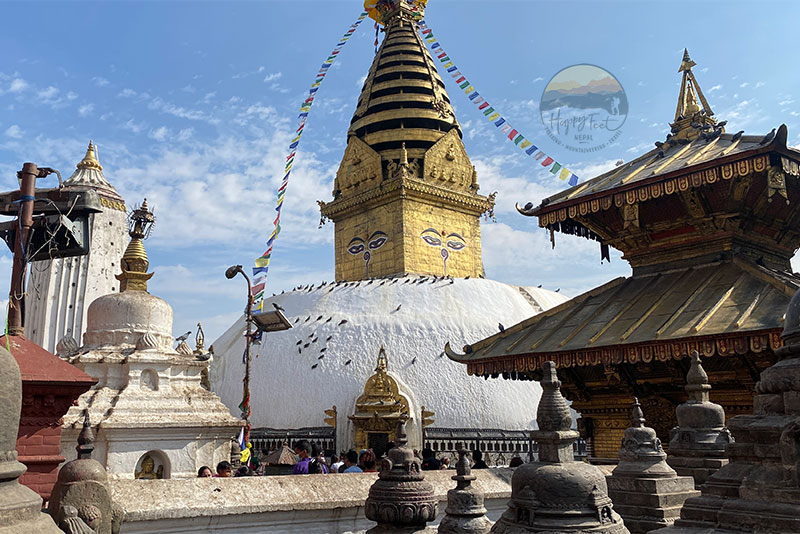
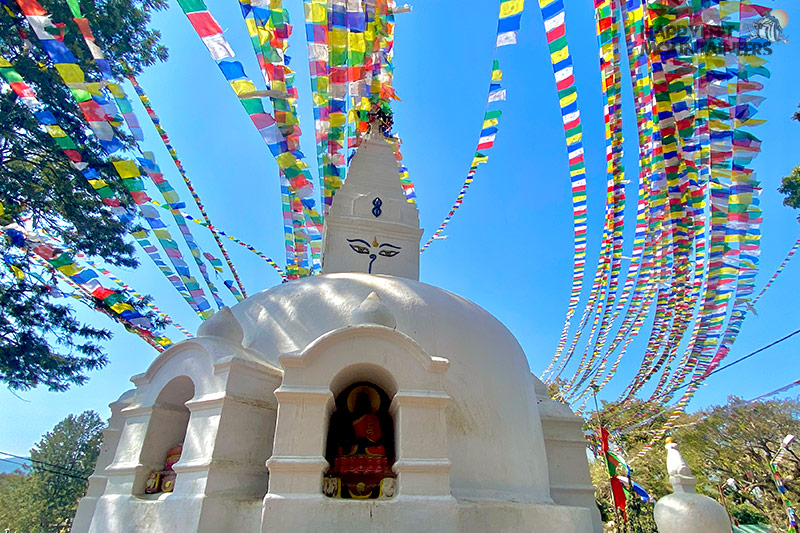
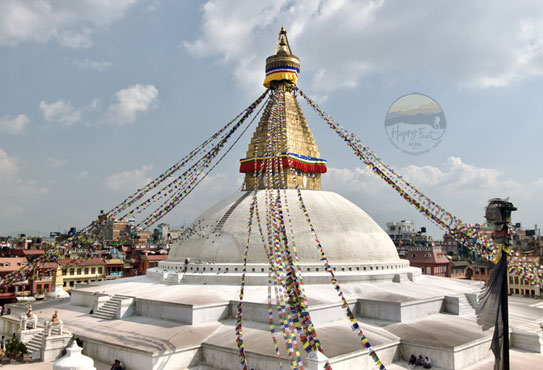
Breakfast at the hotel. In the morning, visit Swayambhunath, located on a lovely little hill to the northwest of the city centre, which is the most sacred Buddhist site. The self-originated shrine is believed to have been built in its current form around 250 B.C. The stupa, painted with a pair of the Buddha’s all-seeing eyes, stands on a lotus mandala base on all four sides. The site offers a complete view of Kathmandu Valley, its surroundings, and the Himalayas to the northeast.

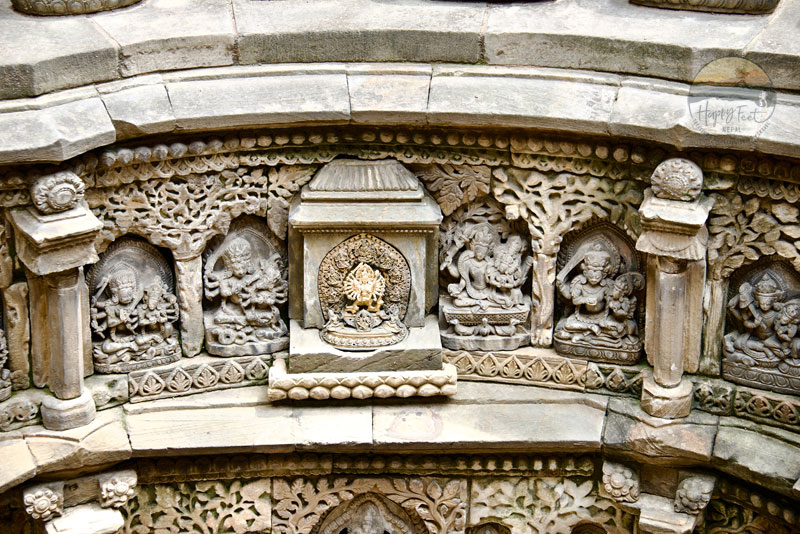
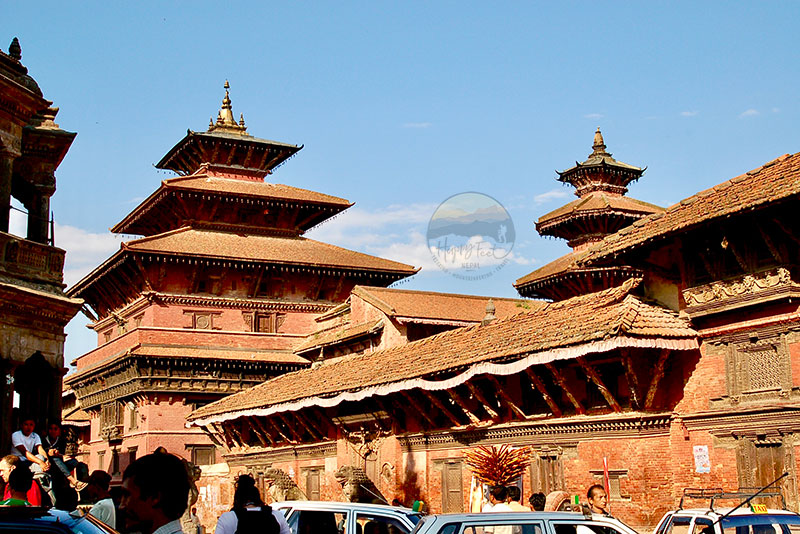
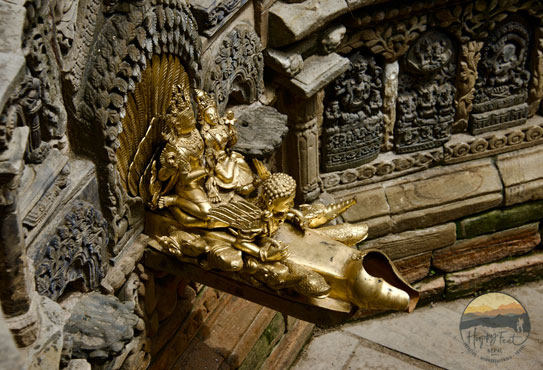
In continuation, drive to Patan, one of the three medieval cities of Kathmandu valley and one of the World Heritage sites among the seven World Heritage sites of Kathmandu valley, located 7 kilometres south-west of Kathmandu. The city of Lalitpur, the City of Arts, was a renowned Buddhist centre in Asia, with four Ashok-built stupas and a multitude of miniature stupas, monasteries, viharas, and temples. At Patan, we visit its Durbar Square, the Golden Temple, Thousand Buddha, and its museum, among other sites, which explain Buddhism and Hinduism in extensive labels within the living traditions and context.

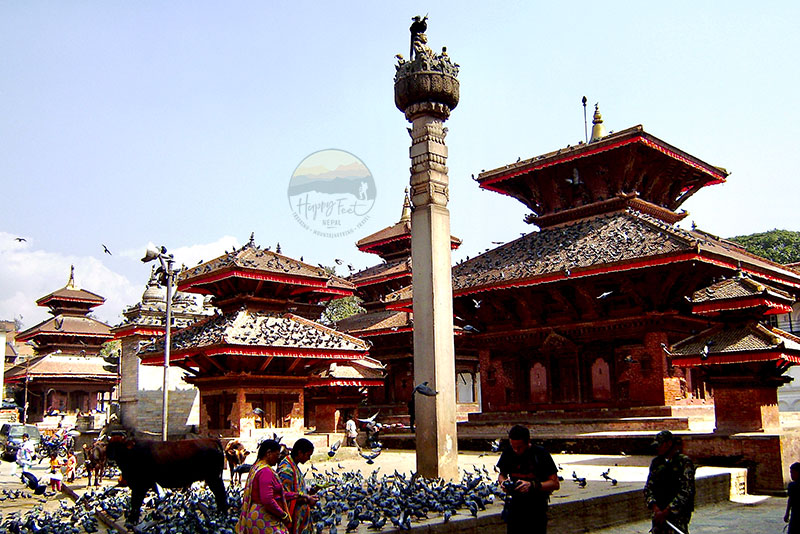
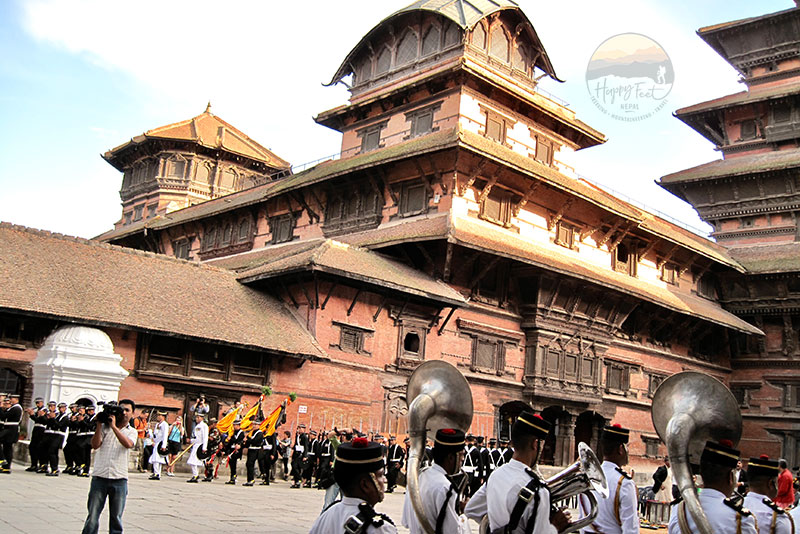
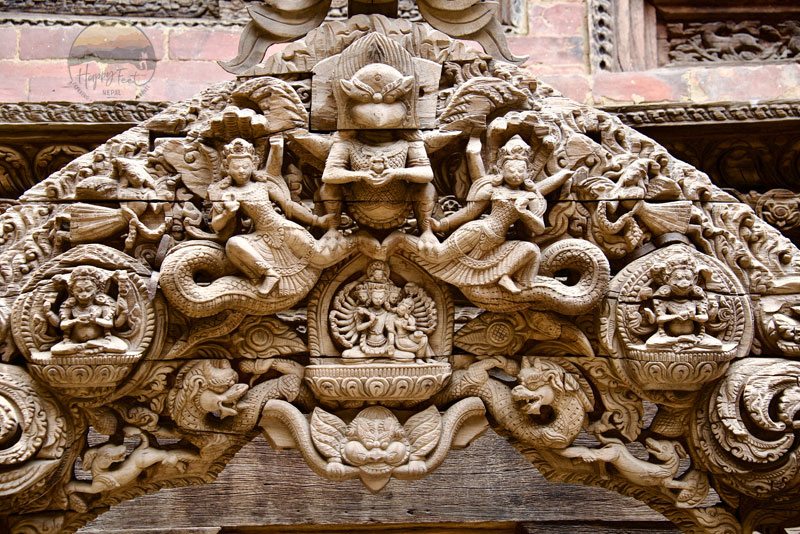
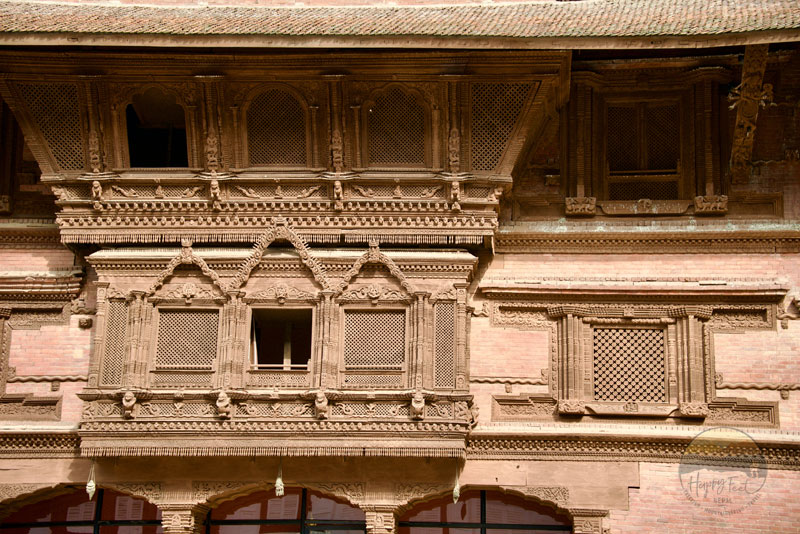
In the evening, visit Durbar Square in Kathmandu, an example of the urban architecture of the Malla dynasty, with 19-storey buildings, temples and palaces, and the residence of the living goddess Kumari. Kathmandu Durbar Square, the old palace complex that houses a mass of temples and palaces, including the Gaddi Baithak Durbar, constructed in 1908; the Basantapur Durbar, or the old Royal Palace; and the Kumari Chowk, the residence of the Living Goddess. Basantapur is amongst the most attractive sites in the bustling centre of Kathmandu, and a western traveller around two hundred years ago wrote that there were more temples than houses and idols than people in its city. Lying at the heart of Kathmandu, Durbar Square is a UNESCO World Heritage Site and a must-see. The individual buildings, palaces, and temples feature intricately carved doors, lattice windows, and struts adorned with mythic and erotic figures.

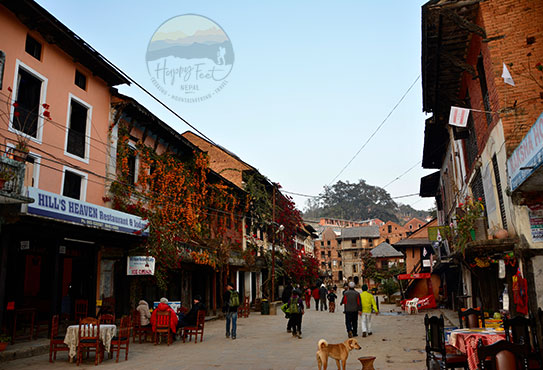
Finalise with a tour and a rickshaw ride through the old city market centre, the Ason Bazaar, seeing what the Nepalese people buy and sell in their daily lives.

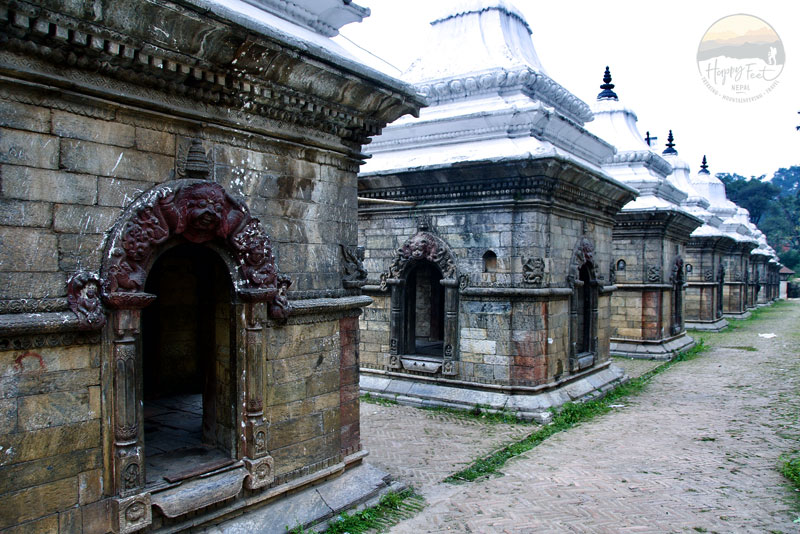
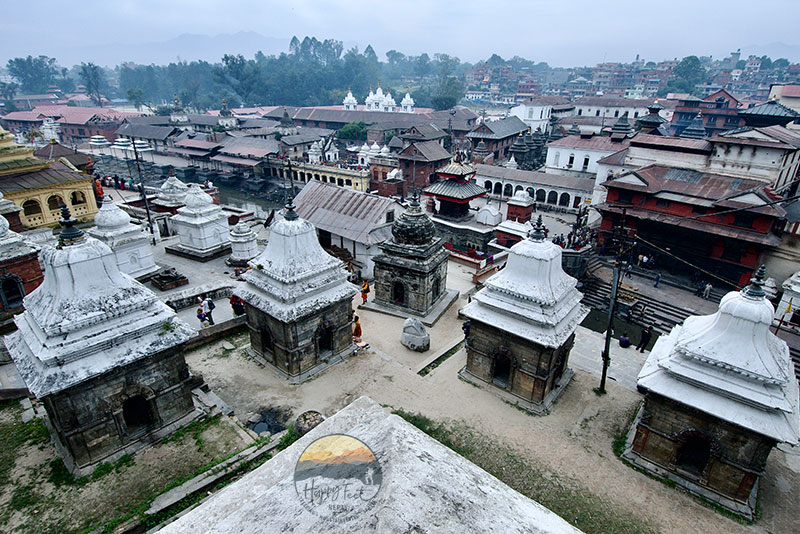
Breakfast at the hotel and drive to Pashupatinath Temple. A pagoda Hindu temple with gilt roofs, carved with silver doors dedicated to Lord Shiva, situated at the bank of the holy Bagmati River, and regarded as among the most sacred temples of the Hindu religion, Pashupatinath is the focus of pilgrimages culminating on the day of Shiva Ratri (the marriage anniversary of Lord Shiva and the goddess Parvati). Pashupati is also the cremation ground in the ghats (cremation group) along the bank of the River Bagmati, where the recently deceased Hindus of the Valley are cremated.

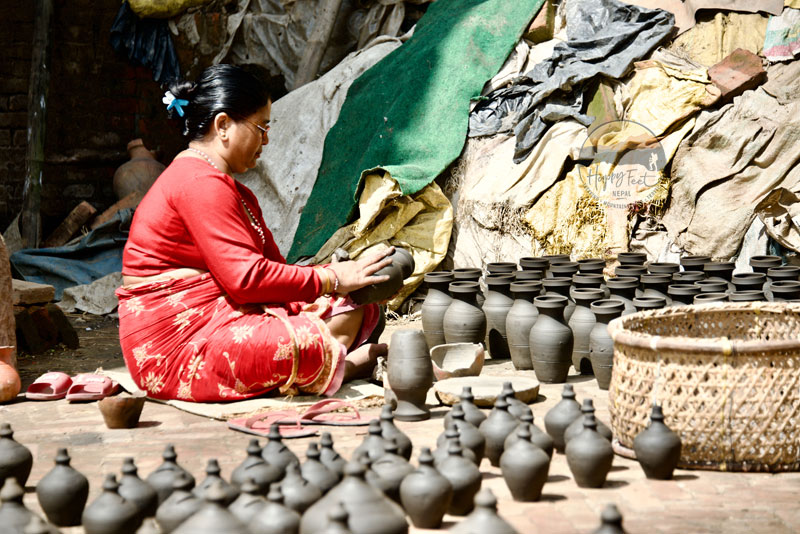
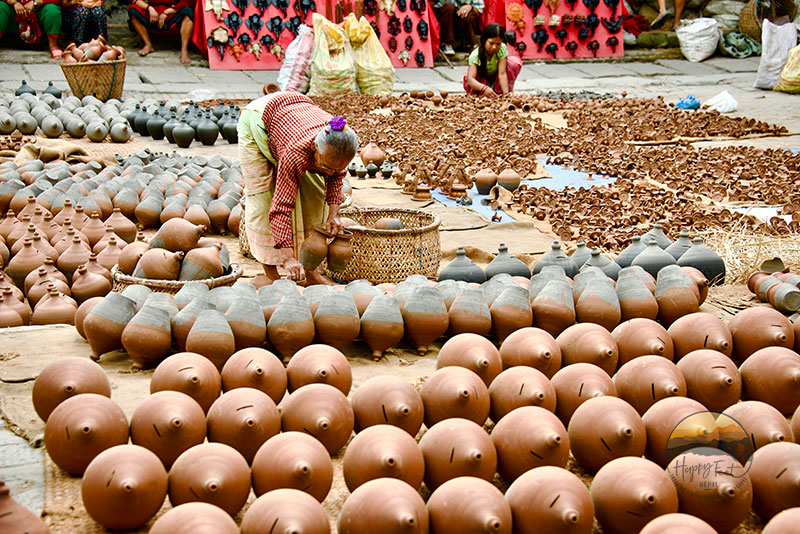
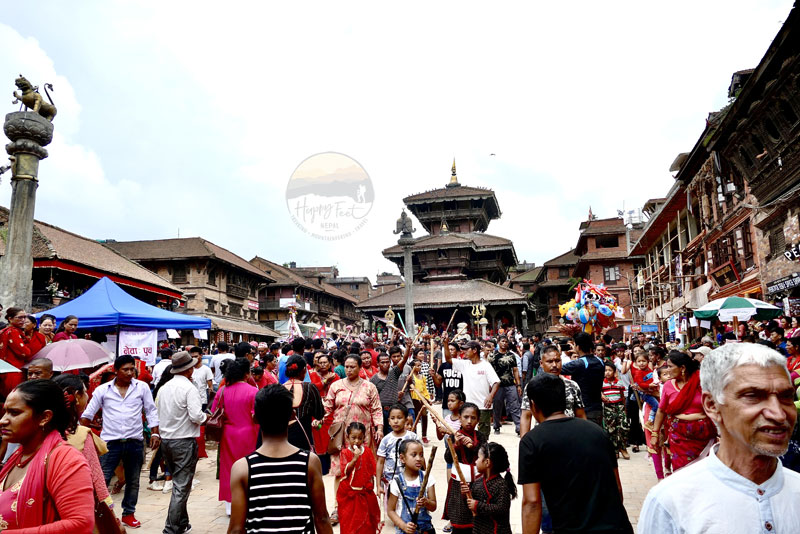
Then take a 13-kilometre drive to Bhaktapur, east of Kathmandu. Its original name is Bhadgaon, or the village of Devotees, which is one of the living museums of Kathmandu Valley. Bhaktapur is filled with the 55-windowed Royal Palace, the Palace of the Kumari, the temple of Taleju, the temple of Pashupati, the main square of Taumadhi Tole, Nyatapola Temple (the most imposing and tallest such architecture in all of Nepal), the temple of Akash Bhairab (the second most important temple of Bhadgaon), the Dha Hateya and the Square of the Potters. UNESCO recognises Bhaktapur as a World Heritage Site.

After the visit and lunch, leave by road toward Nagarkot, at an altitude of 2,099m and 32km east of Kathmandu or 19 kilometers northeast of Bhaktapur. Nagarkot is one of the most beautiful hill resort areas to enjoy sunrises and Mountain Range views, from the Langtang to Mount Everest.

210km – 6hrs drive.

Sunrise view tour. Breakfast at the hotel, then departure by road to Pokhara, located 200 kilometres west of Kathmandu and the third-largest city in the country. Due to its location, the temperature is always warmer than in Kathmandu. The drive takes you through an exciting stretch of the country, with views of mountains, hills, deep river valleys and scattered villages, until we reach Pokhara. Annapurna and Machhapuchhre Himal and Lamjung rim the northeastern horizons of the town.

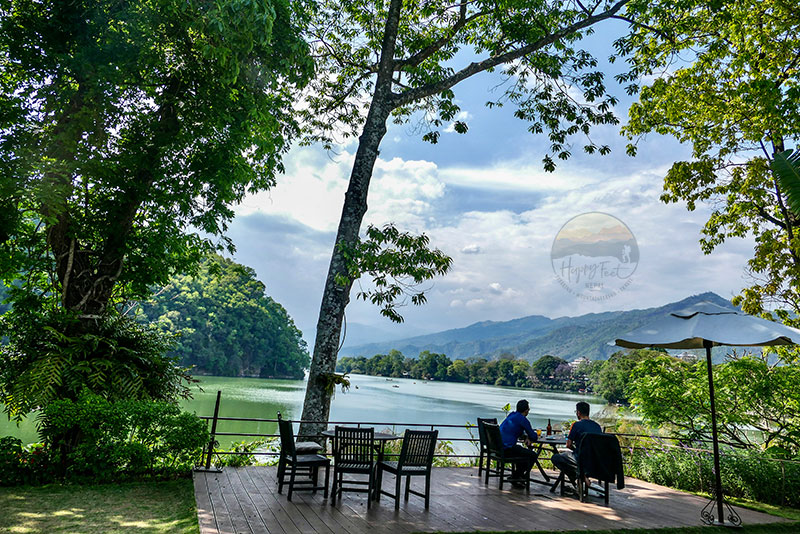
Breakfast at the hotel and transfer 13-kilometres to Pumdikot, a strategic hill with an ancient fort in ruins and recently converted into a Shiva temple; it is a beautiful viewpoint. The views of Annapurna, Pokhara and the peace stupa are beyond description. From Pumdikot, we take a scenic drive to Peace Stupa, enjoying magnificent views of Phewa Lake, the Himalayas, Pokhara City and its surroundings. The Peace Stupa site is equally beautiful, with splendid views.

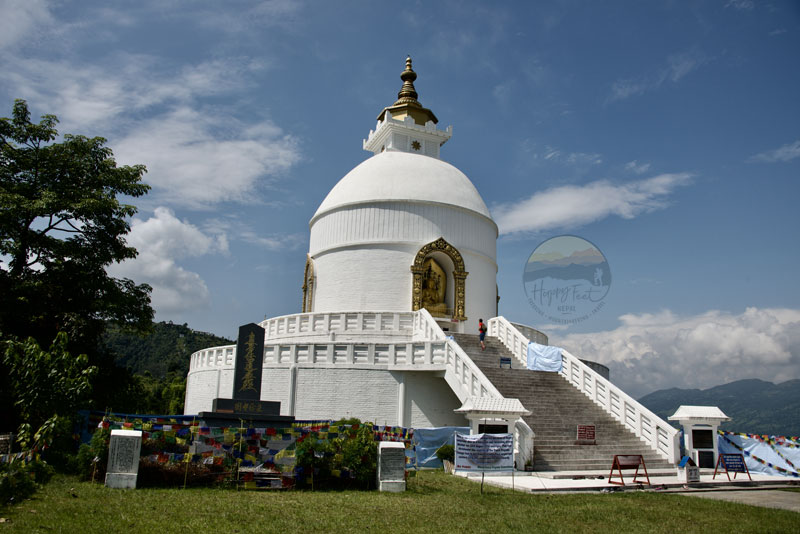
The World Peace Stupa stands gloriously on a hill saddle above Phewa Lake and Pokhara City from where you get panoramic views of Phewa Lake, the city of Pokhara and Mount Annapurna and Lamjung (on a clear day). A Peace Stupa is a Buddhist monument to inspire peace in all races and creeds and to help unite them in their quest for world peace. Most of them were built after World War II under the direction of Nichidatsu Fujii (1885-1985), a Buddhist monk from Japan and founder of the Nipponzan-Myohoji Buddhist Order. In 1947, he started the construction of peace pagodas as world peace shrines, and in the year 2000, there were eighty Peace Pagodas built around the world between Europe, Asia and the United States.

Enjoy the landscapes of the site, visit the stupa, explore, go down to the lakeshore, cross the lake by little boat, have a late lunch and visit the International Mountain Museum in Pokhara, where we will see and better understand the history of the mountain and mountaineering on the highest peaks in the world. We will understand the importance of the Himalayas of Nepal and the benefits that the Himalayas give to the millions of people and their natural habitat. After the visit, return to the shore of the lake for free time.

117km – 4hrs drive.

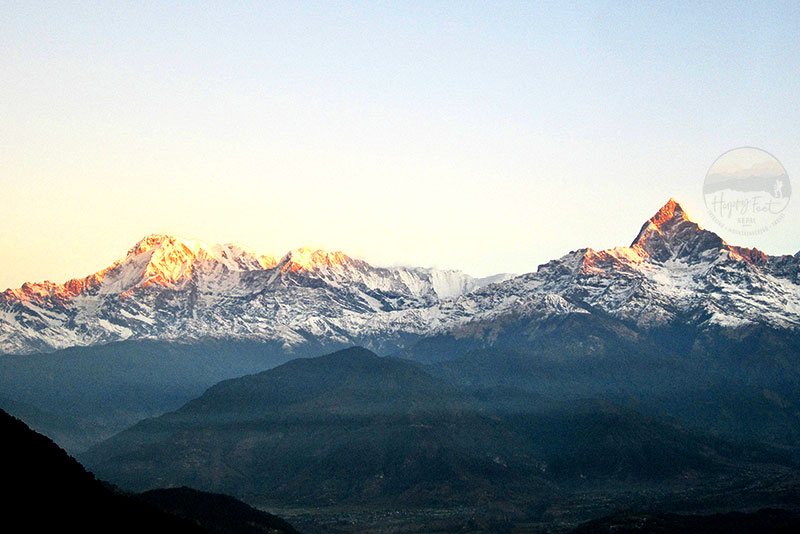
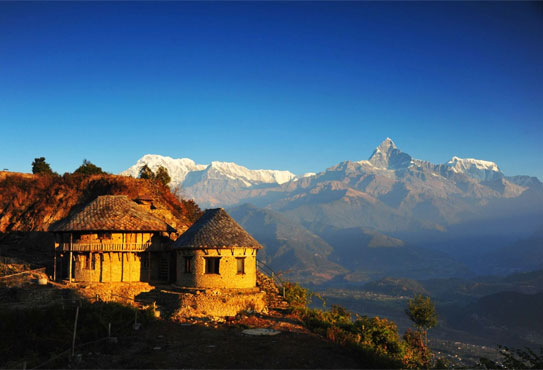
Early in the morning, a sunrise view tour to the Sarangkot viewpoint. Sarangkot, the most famous lookout in Pokhara, offers a grand panorama of the Annapurna ranges, Machhapuchhre, Manaslu, Lamjung Himal, and the Dhaulagiri range. From the Sarangkot lookout, you can also enjoy beautiful views of the Pokhara valley and its unique landscapes, including Lake Phewa, Lake Begnas, and Lake Rupa. A short 25-minute drive from the hotel in Pokhara Lakeside takes you to Sarangkot, which offers a striking view of sunrise and a platform for Paragliding. Finalise the tour and drive back to the hotel for breakfast.

Then continue an exciting drive to Tansen, traversing hilly regions with villages, towns and beautiful river valleys. Tansen is a city in the lap of Srinagar Hill, a lovely summer resort above the plains of Lumbini. Srinagar offers spectacular views of mountains and valleys. Tansen is one of the oldest towns, with age-old cultural heritage and traditions that date back to the time of the Sakyas, the families of Gautama Buddha. Arrive at Tansen, check into the hotel, have lunch, take a sightseeing walk to Srinagar Hill, and visit the colourful Tansen Bazaar.

83km – 3hrs drive.

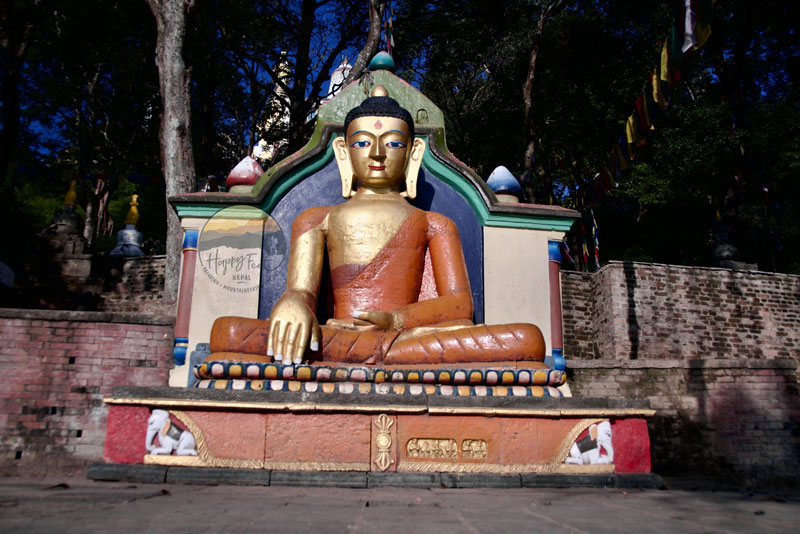
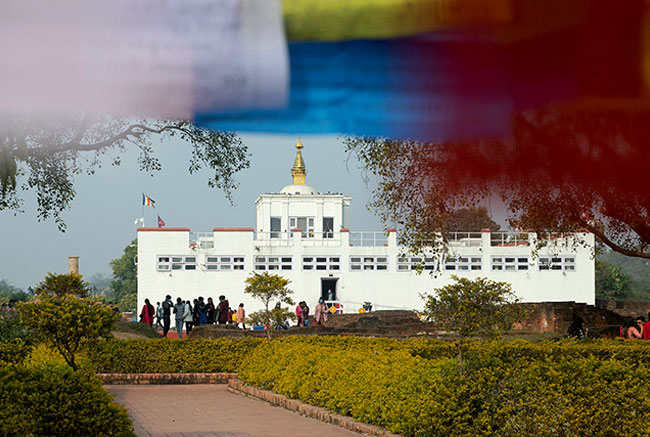
Breakfast at the hotel, then drive to Lumbini; the elevation drops by more than 1000 metres in the shortest time. On the way visit a Siddhi Baba temple and enter Lumbini. Lumbini is in the fertile land of Nepal and is the place where Siddhartha Gautama Buddha, the enlightened one, was born. The entire land is the sacred-most site; several Buddhas, such as Kakusandha and Koṇāgamana, were born here before the birth of Siddhartha Gautama Buddha. Arrive at Lumbini, check into the hotel, and have lunch. In the afternoon, visit the Maya Devi Temple, the Asoka pillar, the Peace Stupa, and several monasteries built by countries such as China, Japan, Sri Lanka, Myanmar, Germany, Thailand, and Korea, each with its own architectural charm.

You will spend a whole day in Lumbini, visiting different monasteries and Tilaurakot, where the Buddha spent 29 years. The monastic area at the World Buddhist Centre includes monasteries built by Buddhist communities from other countries. After lunch, he will take a short drive to Tilaurakot to see the ruins of the Shakya kingdom, where Buddha spent 29 years 2500 years ago.

Breakfast and transfer to Chitwan. On the way, visit the Ramagram Stupa, a most sacred Buddhist site. According to research by the Department of Archaeology of Nepal, this Buddhist pilgrimage site, which contains relics of Gautama Buddha, was built between the Mauryan and Gupta periods.

Ramagram Stupa is the only original stupa built after the passing of the Buddha. After Buddha’s passing, the relics were divided among 8 kings and eight stupas were built. Emperor Ashoka ordered the relics of 7 stupas to be opened, dividing them into 84,000 portions to erect 84,000 stupas in present-day India, Bangladesh, Afghanistan, Pakistan, and Nepal. The Ramagram stupas were protected by the Nagas (currently regarded as the serpent deity), a ruling dynasty that strongly supported Buddha and later Buddhism.

To this day, the Ramagram stupa remains the only intact and original stupa to contain relics of the Buddha. The stupa has been the object of great reverence and a place of pilgrimage since its original construction. The 7-meter-tall (23-foot) stupa is now buried under an earthen mound and awaits further investigation. The dimensions of the stupa complex are 10m high and 23.5m in diameter. A geophysical survey revealed a perfect quadrangular Kushan monastery buried below the surface, the dense concentration of bricks of which prevented crops from growing, leading to the area being known as an ‘unfortunate field’.

After visiting, we continue to Chitwan National Park through the southern plains of Nepal, passing through several towns and forested areas, for a two-night, two-day safari program. Chitwan is the best national park in Asia, with 967 km and 200km south of Kathmandu in the Terai floodplain formed by the Narayani and Rapti rivers. This park is well known for its wildlife preservation. Arrive at the resort, check in, and have lunch. In the afternoon, visit the Tharu Village and take a sunset-viewing tour. In the evening, the Tharu Culture Show and dinner.

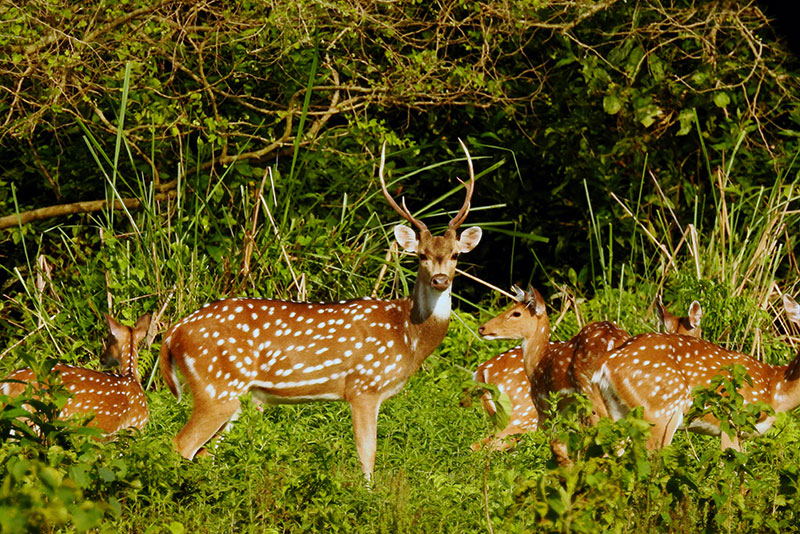
Full day in the park with activities such as a safari on the back of an elephant, exploring the fauna and flora, and highlighting the one-horned rhinoceros, deer, monkeys, wild boars, bison, bears, leopards, and, hopefully, the Bengal tiger. In this area, 276 of the 519 bird species live, making it a true paradise for bird watchers. You will also take a canoe excursion on the Rapti River and continue on a two-hour Jeep Safari in the core area of the National Park, looking for opportunities to spot wildlife.

Early morning nature walking, breakfast at the resort and departure by road to Kathmandu. Sightseeing driving takes you through the plains of the Terai, ascends slowly to the hills, and then into the Kathmandu Valley. Finally, arrive and transfer to the hotel. The rest of the day is for leisure on your own.

Early in the morning, take a scenic mountain flight to enjoy the views and panorama of a 360-degree wide range of Himalayan peaks from Manaslu, Ganesh, Langtang, Jugal Himal, Pumori, Lhotse, Nuptse, Mt. Everest and as far towards Mt. Makalu and Kanchenjunga towards the far east. Most mountain flights operate early in the morning from 6:30 a.m. to 9 a.m with window seats and last for an hour. You can observe a mighty chain of Himalayan peaks both ways on the flight, never missing the core and highlight of the mountain flight. Get landed back at the airport and get escorted back to the hotel. The rest of the day is free for you to spend as you wish.

Breakfast and the rest of the day are leisure on your own. The Representative of Happy Feet Mountaineers will arrive at your hotel with transport three hours before your departure flight time. Get escorted from the hotel to the International Departure Terminal, complete the formalities, and go through immigration and departure.

Includes

  • Airport/hotel/airport transfers as per the itinerary.
  • Accommodation of circuit, breakfast included, in the indicated hotels or similar for the entire tour (Roon on sharing basis).
  • Sightseeing tour of the circuit accompanied by a local English-speaking (or other languages on demand) city guide certified by the Nepal Government.
  • Boat trip on Phewa Lake (1 hour)
  • The Safari program in Chitwan National Park is on a full-board basis, with all safari activities guided by a local English-speaking nature guide.
  • The entire circuit road transport in a private air-conditioned vehicle
  • Entrance fees to the cities, museums and monuments.
  • Agency’s service charge and all applicable taxes

Excludes

  • Travel insurance (helicopter evacuation & emergency hospital treatment) is obligatory.
  • Travel insurance (trip cancellation/interruption eventualities) is not obligatory but at the client’s risk.
  • International air tickets.
  • Nepal entry visa and visa fee (One can apply on arrival at Kathmandu airport).
  • Lunch and dinner (Chitwan on a full board)
  • Personal expenses
  • Alcoholic and bottled beverages.
  • Optional excursions arranged on request, tips, and those not mentioned in the above cost include section.

Sarankot Hill
Sarangkot, the most famous lookout in Pokhara, offers a grand panorama of the Annapurna ranges, Machhapuchare, Manaslu, Lamjung Himal, and Dhaulagiri range. From the Sarangkot lookout, you can also see the beautiful view of Pokhara Valley and its unique landscapes with Lake Phewa, Lake Begnas and Lake Rupa. A short 25-minute drive from the hotel in Pokhara lakeside puts you on Sarangkot, which offers a striking view of sunrise and a platform for Paragliding.

Phewa Lake
Phewa Lake is the largest lake in Pokhara, which attracts many visitors and offers water activities and is a natural jewel of the city. If you take boating on the lake, you can enjoy the reflection of the fishtail and Annapurna Mountains all day and a beautiful sunset colour in the evening. A small island 

The Island is in the lake’s centre and has a two-storied pagoda temple dedicated to the Ajima, the protector deity in Buddhist and Hindu, representing female Shakti (power). The southwestern shorelines are densely protected jungles known as Rani Ban (Queen Forest), a lovely sanctuary for birdlife. Other major lakes in Pokhara are Begnas Tal and Rupa Tal, situated to the northeast of the city, within an hour’s driving distance. 

Seti Gorge
Seti Gorge is offered as a site to see in Pokhara. Seti Gorge is the section cut by the river Seti to a deep underground; at places hides the entire river and, in some areas, two meters in width and 20 to 50 metres in depth. There are two sites to see the depth of Seti Gorge; one just from the centre of the local bazaar at Mahendra Pul (bridge) and another just a little further at KI Sing Pul (bridge) with a park and garden. The parts are wild and fragile, and strictly suggested not to try to see them.

David’s Fall
Another attraction of Pokhara is the beautiful cascading waterfalls popularly known as Devi’s Fall, locally called Patale Chhango, another attraction of Pokhara, two kilometres southwest of the city. David’s Fall is named after a person with the same name who fell underground in the water. The site is attractive in the summertime when the tremendous amount of water from Phewa Lake falls underground, 

Caves of Pokhara
There are two main caves for exploring. First, the Mahindra Gufa (cave), locally known as Bats Cave, is a 45-minute drive north of Pokhara. A (torch/flashlights recommended while visiting caves) enter for some time and view the large limestone, stalactites and stalagmites, and the bats.

Another cave is Gufteswor Gufa, just walking distance from Devis’ Fall across the street. The entrance is wide with artificial steps and a later-built Shiva shrine. One can go further down to view the raging Seti River entering a channel into the cave.

The Old Bazaar
The old city of Pokhara is a beautiful site to visit. The houses and temples in this part of the city reflect the Newari architecture of Kathmandu Valley, as some Newari communities from Kathmandu moved to Pokhara for trading. The local bazaar has Bindhayabasini Mandir (temple); this white dome-shaped temple dominates a spacious stone-paved courtyard on a shady hilltop with excellent views of the local bazaar and Annapurna Mountains.

Pokhara Peace Stupa
Peace stupa is another excellent viewpoint in Pokhara. Twenty minutes of boating and 45 minutes of beautiful hike or a drive to reach the Shanti or Peace Stupa, located south of Phewa Lake on a ridge top.

Peace / Shanti Stupa, a Buddhist pagoda located on a hilltop, is also known as Ananda Hill; built by a Japanese monk Nipponzan-Myōhōji and Morioka Sonin with local supporters under the guidance of Nichidatsu Fujii, a Buddhist head monk founder of Nipponzan-Myōhōji. Shanti means peace in the Sanskrit language, s scenic hilltop facing super views of Pokhara valley and snowcapped peaks towards the north.

International Mountain Museum
International Mountain Museum, the first of its kind in Pokhara city, was established and built by Nepal Mountaineering Association (NMA) on 1 November 1973. The primary objective of establishing this museum was to record the chronicle of the past and present development of mountaineering activities globally and preserve the saga of the feats in mountaineering history in the Himalayan Peaks. The foundation stone of IMM was laid on 1 December 1995. The soft opening of IMM took place on 29 May 2002 and officially opened on 5 February 2004. The IMM is an exciting place to gather knowledge of the mountains, expeditions, flora and fauna, geography, history of mountaineering in Nepal and more. It is located just near the main local area of Pokhara.

Other activities of great interest:
Besides relaxing tours, Pokhara has various adventure sports activities such as Para Gliding, Zip-Flyer, Boating, Kayaking, white-water rafting, and Ultra-Light flight.

Let us know your Experiences

Subscribe
Notify of
guest
0 Comments
Oldest
Newest Most Voted
Inline Feedbacks
View all comments

Trip Overview

Destination Nepal
Duration 13 Days
Starts from Kathmandu
Ending Point Kathmandu
Trip Style Sightseeing Tour
Difficulty Easy
Best Time All year round
Transportation Private Vehicle | Flight
Accommodation Hotels
Max Altitude 2100 m.
Meal BB in hotel FB in Chitwan
Group Size 2 - 12 Pax

Inquiry Form

Customize This Trip
0
Would love your thoughts, please comment.x
()
x